
.svg)

.svg)

Are Water Features a Good Addition to Your Landscape?
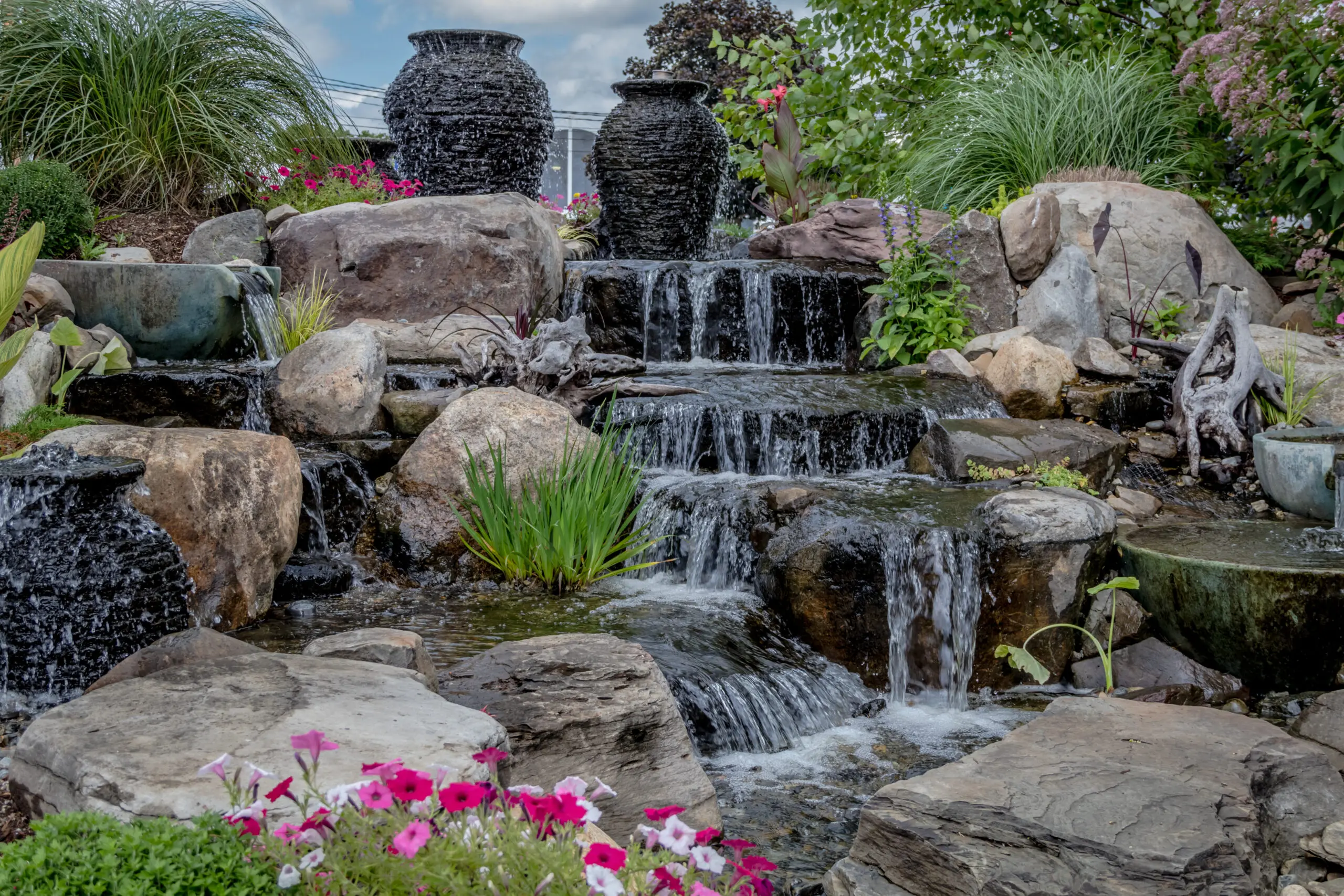
Water features add movement, sound, and a sense of calm to outdoor spaces. Many homeowners begin searching for water features for landscapes when they want to elevate the feel of their yard or create a more relaxing environment. While water features can be stunning, they work best when thoughtfully planned and integrated into the overall design.
Understanding both the benefits and considerations helps homeowners decide if a water feature is the right choice.
What Counts as a Landscape Water Feature?
Water features come in many forms and can be scaled to fit different spaces and styles.
Common types include:
- Fountains
- Reflecting features
- Cascading elements
- Zen-inspired water accents
Each type offers a different visual and sensory experience.
Why Homeowners Add Water Features
Water features are often added for atmosphere rather than function. The sound and movement of water create a peaceful outdoor setting.
Benefits include:
- Enhanced relaxation
- Masking unwanted noise
- Visual interest and movement
Water features engage multiple senses.
Creating a Calming Outdoor Environment
One of the biggest advantages of water features is their calming effect. Flowing water creates a soothing backdrop for relaxation and meditation.
Calming benefits include:
- Reduced stress
- Improved ambiance
- Enhanced outdoor enjoyment
This makes water features ideal for tranquil spaces.
Improving Visual Balance and Focal Points
Water features often act as focal points within a landscape. They draw attention and anchor surrounding design elements.
Design advantages include:
- Visual depth
- Balanced layout
- Defined focal areas
They help guide the eye through the space.
Water Features in Small vs Large Yards
Water features can work in both small and large landscapes when properly scaled. Size and placement matter more than the feature itself.
Proper scaling ensures:
- Proportionate design
- No visual overcrowding
- Better integration
Even compact spaces can benefit from subtle water elements.
Maintenance Considerations
While modern water features can be low-maintenance, they still require some care. Understanding upkeep helps set realistic expectations.
Maintenance may include:
- Occasional cleaning
- Monitoring water levels
- Seasonal adjustments
Proper design minimizes long-term effort.
Integrating Water Features With Landscaping
Water features should feel like part of the landscape—not an add-on. Planting, hardscaping, and layout all play a role.
Integrated design:
- Enhances natural flow
- Improves visual cohesion
- Protects surrounding elements
Design integration elevates the result.
Balancing Sound and Placement
The sound of water should be pleasant, not overpowering. Placement affects how sound travels through the space.
Thoughtful placement:
- Enhances ambiance
- Avoids noise issues
- Improves usability
Balance is key.
Supporting Zen and Tranquil Designs
Water features are often central to Zen-inspired landscapes. They complement clean lines, natural materials, and intentional layouts.
Zen benefits include:
- Visual simplicity
- Focused design
- Tranquil atmosphere
Water supports mindfulness in outdoor spaces.
Why Professional Planning Matters
Water features involve plumbing, circulation, and placement considerations. Poor planning can lead to inefficiency or visual imbalance.
Professional design ensures:
- Proper installation
- Long-term performance
- Seamless integration
Experience prevents common issues.


.svg)