
.svg)

.svg)
Can Landscaping Fix Drainage Problems? Here’s What Actually Works
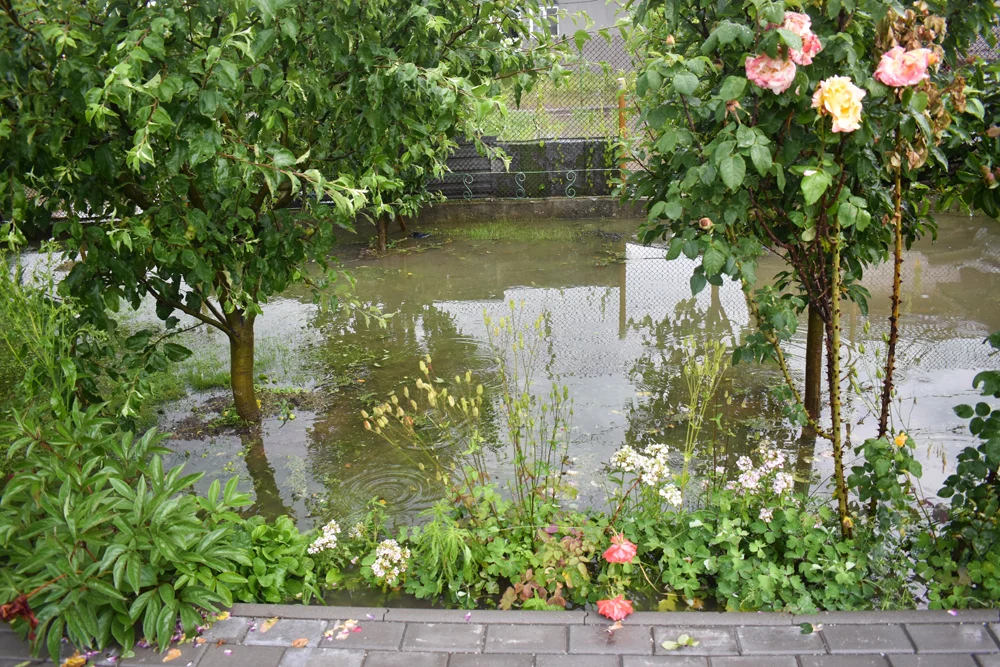
Drainage problems are one of the most frustrating issues homeowners face. Water pooling, soggy lawns, and erosion often feel like permanent problems. Searches for can landscaping fix drainage problems usually come from homeowners who’ve tried quick fixes—only to see the same issues return after every heavy rain.
The truth is: landscaping can fix drainage problems—but only when it’s designed correctly.
Why Drainage Problems Keep Coming Back
Most drainage issues aren’t surface problems. They’re caused by how water moves through the property.
Common causes include:
- Poor grading
- Compacted soil
- Improper runoff paths
- Downspouts draining into the yard
Without addressing the root cause, problems repeat.
Why Simple Fixes Rarely Work Long-Term
Temporary solutions often treat symptoms instead of causes.
Short-term fixes include:
- Adding more soil
- Reseeding soggy areas
- Installing surface drains without planning
These fixes fail when water patterns stay the same.
How Landscaping Influences Water Flow
Landscaping affects how water moves across and through the yard.
Design elements that influence drainage:
- Slope and grade
- Hardscaping placement
- Planting layout
- Soil preparation
Water follows design decisions.
Grading Is the Foundation of Drainage Solutions
Proper grading directs water away from structures and problem areas.
Effective grading:
- Prevents pooling
- Protects foundations
- Improves plant health
Without correct grading, nothing else works.
Using Plants to Support Drainage
Certain plants improve water absorption and soil stability.
Drainage-supportive planting:
- Uses deep root systems
- Reduces erosion
- Improves soil structure
Plants are part of the solution—not decoration.
When Hardscaping Helps (and When It Hurts)
Hardscaping can improve drainage—or make it worse—depending on design.
Well-planned hardscaping:
- Directs runoff intentionally
- Reduces muddy areas
- Creates controlled water paths
Poor placement traps water.
Why Drainage Should Be Solved Before Other Upgrades
Installing patios, planting beds, or walkways before fixing drainage often leads to damage.
Drainage-first planning:
- Protects investments
- Prevents rework
- Improves longevity
Water should be controlled before features are added.
Understanding Subsurface Drainage
Some drainage solutions happen below the surface and aren’t immediately visible.
Subsurface planning may include:
- Soil correction
- Drainage channels
- Controlled runoff paths
Hidden systems often matter most.
How Drainage Affects Plant Health
Poor drainage suffocates roots and weakens plants.
Drainage issues cause:
- Root rot
- Yellowing leaves
- Patchy growth
Healthy plants depend on proper water movement.
Why Every Yard Needs a Custom Drainage Plan
No two properties drain the same way. Soil, slope, and layout all matter.
Custom planning:
- Addresses specific problem areas
- Prevents new issues
- Improves overall performance
Drainage is never one-size-fits-all.
Why Professional Design Solves Drainage for Good
Professionals evaluate the entire system—not just wet spots.
Expert drainage design:
- Identifies water sources
- Plans flow paths
- Prevents future failures
Fixing drainage once is better than fixing it repeatedly.


.svg)