
.svg)

.svg)

Can Landscaping Reduce Noise? How to Make Your Yard Quieter
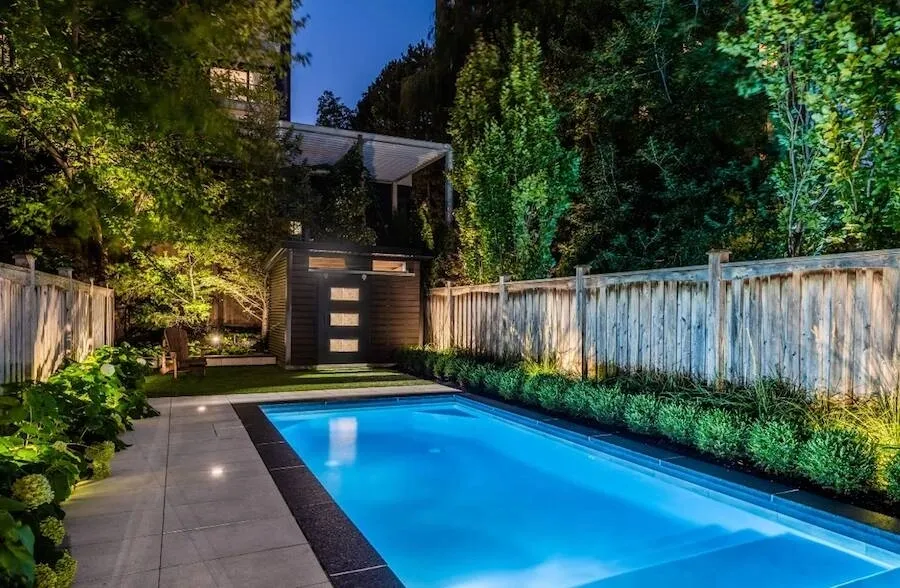
Noise is one of the most overlooked problems in residential outdoor spaces. Whether it’s traffic, nearby businesses, or close neighbors, constant sound can make even a beautiful yard feel uncomfortable. Homeowners searching for can landscaping reduce noise are usually looking for real solutions—not just cosmetic fixes. While landscaping won’t create total silence, thoughtful design can significantly soften and redirect unwanted noise.
Quieter outdoor spaces start with intentional planning.
Why Noise Feels Worse in Some Yards
Sound travels differently depending on layout, surfaces, and surroundings.
Noise often feels louder when:
- Yards are wide open
- Hard surfaces reflect sound
- There are no visual or physical barriers
Design influences how sound behaves.
How Sound Moves Through Outdoor Spaces
Sound doesn’t just travel straight—it reflects, bounces, and amplifies.
Key factors that affect sound:
- Open sightlines
- Hard, flat surfaces
- Lack of absorption
Landscaping can interrupt these patterns.
Why Plants Alone Aren’t Enough
Many homeowners assume plants will solve noise issues on their own.
In reality:
- Single plant layers have limited impact
- Thin hedges don’t absorb much sound
- Placement matters more than quantity
Plants work best as part of a system.
Layered Planting for Noise Reduction
Layering plants creates depth and density that helps absorb sound.
Effective layering includes:
- Trees for height
- Shrubs for mid-level coverage
- Ground cover to soften surfaces
Multiple layers perform better than one.
Using Fencing and Structures to Block Sound
Solid structures help interrupt direct sound paths.
Noise-reducing structures may include:
- Strategically placed fencing
- Garden walls
- Pergolas combined with planting
Placement matters more than height alone.
Breaking Up Hard Surfaces
Hard surfaces reflect sound back into the yard.
Reducing sound reflection includes:
- Replacing large concrete areas with planting
- Using textured materials
- Adding soft landscape elements
Soft surfaces absorb more sound.
Creating Distance and Separation
Increasing the distance between noise sources and living areas helps.
Design strategies include:
- Moving seating areas inward
- Creating buffer zones
- Using planting corridors
Even small distance changes help.
Water Features as Sound Masking
Water doesn’t block noise—but it can mask it.
Water features help by:
- Creating pleasant background sound
- Reducing perceived noise
- Improving relaxation
Sound masking improves comfort.
Why Layout Matters More Than Materials
A well-planned layout reduces noise impact more than any single feature.
Smart layouts:
- Block direct sound paths
- Redirect sound away from living areas
- Improve overall comfort
Design beats individual fixes.
Why Noise Reduction Must Be Planned Early
Adding noise solutions later limits effectiveness.
Early planning allows:
- Better placement
- Integrated solutions
- Stronger results
Noise control works best when designed in.
Why Professional Design Delivers Better Results
Professionals understand how sound interacts with space.
Expert planning:
- Identifies problem areas
- Combines multiple strategies
- Avoids wasted effort
Noise reduction is a design challenge—not a guessing game.


.svg)