
.svg)

.svg)

Common Landscaping Myths That Are Hurting Your Yard
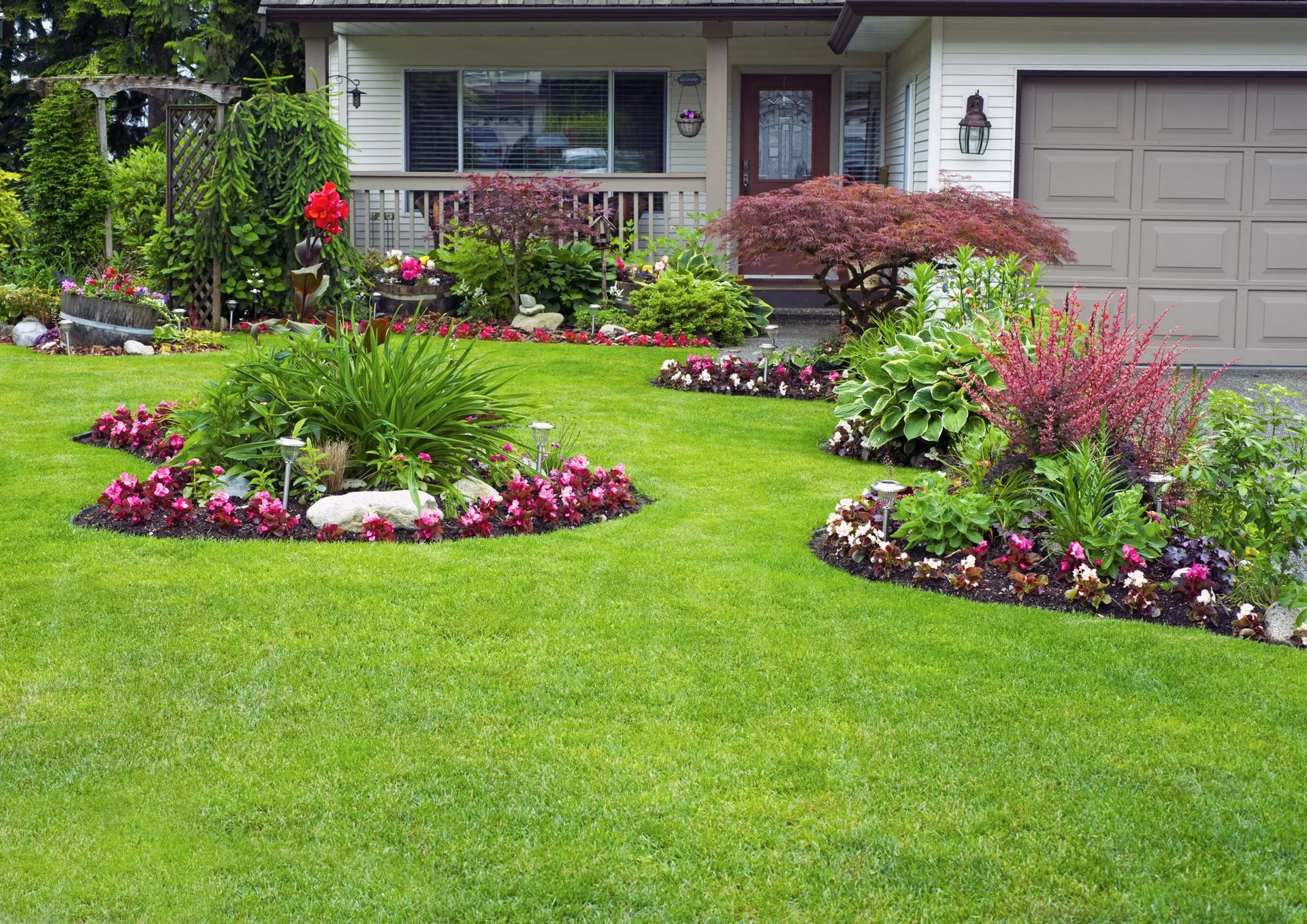
The internet is full of landscaping advice—but not all of it is helpful. Many homeowners search for common landscaping myths after trying tips that seem logical but end up causing more harm than good. From watering habits to pruning practices, misinformation quietly leads to declining plant health, higher maintenance costs, and constant frustration.
Good landscaping isn’t about shortcuts—it’s about understanding what actually works.
Myth 1: Watering Every Day Keeps Plants Healthier
Daily watering sounds responsible, but it often weakens plants.
Frequent shallow watering:
- Trains roots to stay near the surface
- Increases disease risk
- Wastes water
Deep, intentional watering builds stronger root systems.
Myth 2: More Fertilizer Means Faster Growth
Over-fertilizing stresses plants instead of helping them.
Excess fertilizer can:
- Burn roots
- Cause rapid, weak growth
- Create long-term soil imbalance
Healthy growth is steady—not forced.
Myth 3: All Plants Need the Same Care
Treating all plants the same is one of the most common mistakes.
Different plants require:
- Different watering schedules
- Different sun exposure
- Different soil conditions
Uniform care creates uneven results.
Myth 4: Pruning Anytime Is Fine
Timing matters more than most homeowners realize.
Poor pruning timing:
- Reduces flowering
- Stresses plants
- Encourages weak regrowth
Pruning should support plant cycles—not interrupt them.
Myth 5: Lawns Need to Be Cut Short
Short grass may look neat—but it weakens turf.
Cutting grass too short:
- Exposes soil to heat
- Increases weed growth
- Reduces drought tolerance
Healthy lawns need proper blade height.
Myth 6: Mulch Is Only for Looks
Mulch does far more than improve appearance.
Proper mulching:
- Retains soil moisture
- Regulates temperature
- Protects roots
Skipping mulch increases maintenance needs.
Myth 7: Replacing Dead Plants Fixes the Problem
Replacing plants without addressing the cause leads to repeat failure.
Dead plants often signal:
- Poor soil conditions
- Incorrect placement
- Drainage problems
Fixing symptoms doesn’t solve root issues.
Myth 8: Landscaping Is Mostly About Plants
Plants are only one part of the system.
Successful landscapes also rely on:
- Soil preparation
- Drainage planning
- Hardscaping and layout
Ignoring the system leads to imbalance.
Myth 9: Native or Low-Maintenance Means No Maintenance
Low-maintenance doesn’t mean maintenance-free.
Even efficient landscapes need:
- Occasional pruning
- Irrigation adjustments
- Seasonal care
Low maintenance means less, not none.
Myth 10: Online Advice Works for Every Yard
Every property has unique conditions.
Online tips often ignore:
- Local climate
- Soil type
- Sun exposure
- Drainage patterns
What works elsewhere may fail locally.
Why Landscaping Myths Spread So Easily
Landscaping problems don’t appear immediately.
Myths persist because:
- Damage happens slowly
- Early results can look positive
- Long-term effects go unnoticed
By the time issues show, the advice is forgotten.
How Misinformation Increases Long-Term Costs
Wrong practices quietly raise maintenance expenses.
Myth-driven care leads to:
- Frequent replacements
- Higher water bills
- Constant corrections
Good information saves money over time.
Why Professional Guidance Makes a Difference
Professionals base decisions on observation—not assumptions.
Expert care:
- Matches plants to conditions
- Adjusts care seasonally
- Prevents long-term decline
Experience filters out bad advice.


.svg)