
.svg)

.svg)

Curb Appeal Tips That Instantly Improve Your Home’s Exterior
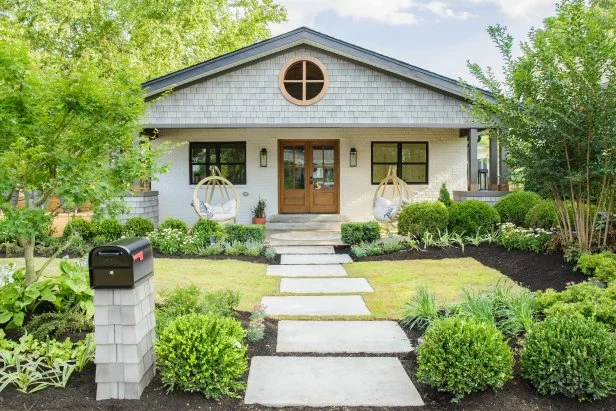
Curb appeal plays a major role in how a home is perceived—by guests, neighbors, and potential buyers. Many homeowners search for curb appeal tips when their home’s exterior feels dated, uninviting, or neglected. The good news is that thoughtful landscaping improvements can dramatically enhance appearance without requiring a full overhaul.
Strong curb appeal is about balance, cleanliness, and intentional design.
Why Curb Appeal Matters
Curb appeal is the first impression your home makes. A well-maintained, thoughtfully designed exterior signals care and quality before anyone steps inside.
Improved curb appeal helps:
- Increase perceived home value
- Create a welcoming entrance
- Make the property feel well cared for
- Enhance neighborhood presence
Even small changes can have a big visual impact.
Focus on Clean, Defined Landscaping
Messy or overgrown landscaping can make a home feel neglected. One of the fastest ways to improve curb appeal is creating clean lines and defined planting areas.
Simple improvements include:
- Trimming overgrown shrubs
- Defining garden bed edges
- Removing dead or crowded plants
- Refreshing mulch
Clean landscaping instantly makes the exterior feel more polished.
Upgrade Plant Selection for Visual Impact
Plants play a key role in curb appeal, especially around the front yard and entryway. Choosing the right plants helps frame the home and guide the eye naturally.
Effective curb appeal planting focuses on:
- Layered plant heights
- Balanced spacing
- Plants that thrive long-term
- Consistent color and texture
Strategic planting improves structure without overwhelming the space.
Highlight the Entryway
The entryway is the focal point of curb appeal. Landscaping should draw attention to the front door while keeping the area clear and inviting.
Enhancements may include:
- Symmetrical planting near the entrance
- Clear pathways leading to the door
- Accent features that guide movement
A defined entryway creates a strong visual anchor.
Hardscaping Adds Structure and Style
Hardscaping elements such as walkways, steps, and borders help organize the front yard and improve accessibility.
Hardscaping improves curb appeal by:
- Creating clear pathways
- Adding durability to high-traffic areas
- Enhancing visual balance
- Reducing maintenance in key areas
Well-designed hardscaping complements the home’s architecture.
Outdoor Lighting Makes a Big Difference
Curb appeal doesn’t stop at sunset. Outdoor lighting highlights landscape features and improves safety after dark.
Lighting helps:
- Illuminate walkways and entrances
- Highlight architectural and landscape features
- Create warmth and depth
- Improve nighttime visibility
Proper lighting enhances curb appeal around the clock.
Maintain Consistency in Design
Consistency is key to strong curb appeal. Mixing too many styles, materials, or colors can make the exterior feel cluttered.
A cohesive design:
- Uses a consistent material palette
- Aligns planting style with architecture
- Creates smooth transitions between elements
This consistency makes the home feel intentional and refined.
Low-Maintenance Choices Protect Curb Appeal
Landscapes that require constant upkeep often decline over time. Low-maintenance design choices help preserve curb appeal long-term.
Low-maintenance curb appeal features include:
- Hardy or native plants
- Efficient irrigation
- Defined planting areas
- Durable materials
These choices keep the exterior looking its best with less effort.
Professional Design Elevates Curb Appeal
While small updates help, professional landscape design ensures curb appeal improvements work together cohesively. Design planning prevents common mistakes and ensures long-lasting results.
Expert guidance helps homeowners prioritize changes that deliver the greatest visual impact.


.svg)