



Decomposed Granite Austin TX: The Complete Guide for Homeowners
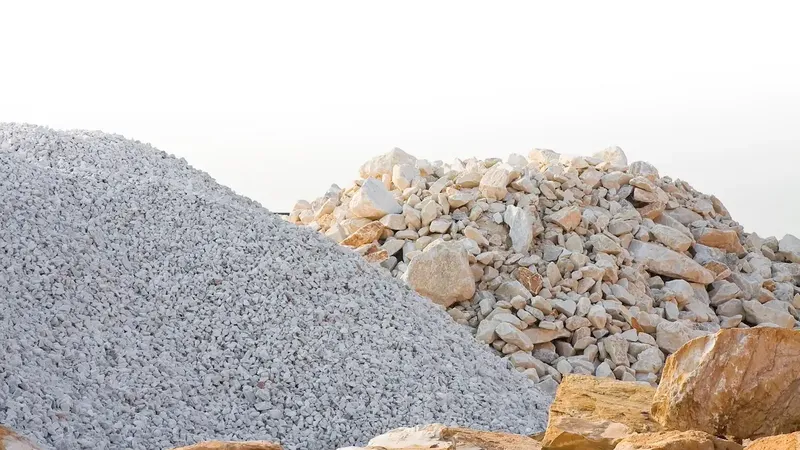
If you've spent any time looking at beautifully landscaped properties in Austin — the kind with clean pathways winding through native plant gardens, xeriscape designs that look polished and intentional, or Hill Country-inspired landscapes that feel authentically Central Texan — you've almost certainly seen decomposed granite at work. It's everywhere in Austin TX landscaping, and for excellent reasons.
Decomposed granite — commonly called DG — is one of the most practical, most versatile, and most visually appropriate ground cover materials available for Austin TX landscapes. It's affordable, permeable, drought-friendly, cool underfoot relative to concrete, deeply authentic to the Texas landscape character, and extraordinarily low maintenance once properly installed. It handles Austin's heat, its intense rain events, its water restrictions, and its aesthetic character better than almost any other landscape material at its price point.
This complete guide covers everything Austin homeowners need to know about decomposed granite — what it is, where to use it, how to install it correctly, the different types available, how much it costs, and design tips for making DG look its best in an Austin TX landscape.
What Is Decomposed Granite and Why Does It Work So Well in Austin TX?
Decomposed granite is exactly what its name suggests — granite rock that has weathered and broken down over time into a granular mixture of small particles, fine sand, and mineral dust. In its natural state, DG ranges from about 3/8 inch particle size down to fine powder, creating a cohesive, compact surface when properly installed that looks and feels like a natural ground material rather than a manufactured product.
Austin's landscape character is defined by granite and limestone — the underlying geology of the Central Texas Hill Country. Using decomposed granite in Austin TX landscapes feels completely authentic because it IS authentic to this landscape — it's the same material that defines the natural terrain throughout the region. This geological authenticity is one of the most compelling reasons that DG in Austin TX looks so naturally right in landscape applications where imported gravel or manufactured products would look contrived.
Beyond aesthetics, decomposed granite performs extremely well in Austin's specific conditions. It's permeable — water drains through it quickly, which prevents the puddling and runoff problems that impermeable surfaces create during Austin's intense rain events and helps comply with City of Austin impervious cover regulations. It handles extreme heat without the dangerous surface temperature buildup that concrete and dark pavers exhibit — DG stays relatively cool underfoot even on hot Austin afternoons. And it requires virtually no maintenance once properly installed — no mowing, no irrigation, no fertilization.
The Types of Decomposed Granite Used in Austin TX Landscaping
Not all decomposed granite is the same — and understanding the available types helps Austin homeowners make the right choice for each application.
Natural DG (Loose) — The most basic form of decomposed granite — loose granular material that is spread and compacted but not stabilized with any binder. Natural loose DG is the most affordable option and creates a beautifully natural, soft appearance. The limitation is that it can shift underfoot, migrate out of defined areas over time, and create a somewhat dusty surface in dry conditions. Loose DG is best suited for low-traffic pathways and decorative garden areas in Austin TX landscapes where occasional raking and topping up is acceptable.
Stabilized DG — Decomposed granite mixed with a stabilizing polymer binder that creates a firm, cohesive surface when compacted and wetted. Stabilized DG is significantly more durable than loose DG — it holds its shape under foot traffic, resists erosion during heavy rain, and doesn't migrate out of defined areas. For Austin TX pathways, patio areas, and any DG application that will see regular foot traffic, stabilized DG is almost always the right choice.
DG with Decomposed Granite Fines — Some Austin quarry sources produce DG with a higher proportion of fine particles that compact more firmly and create an even smoother surface. This grade is popular for driveway applications in Austin TX and for formal pathway designs where a cleaner, more polished appearance is desired.
Resin-Coated DG — A premium decomposed granite product where each particle is coated with a clear resin binder, creating an extremely firm, dust-free surface that handles heavy traffic. Resin-coated DG is the highest-performance and highest-cost DG option — used in premium Austin TX landscape applications where the durability and appearance of standard stabilized DG isn't sufficient.
The Best Uses for Decomposed Granite in Austin TX Landscapes
Decomposed granite is one of the most versatile materials in the Austin TX landscape toolkit. Here are the most impactful and most appropriate applications.
Garden Pathways and Walking Paths — This is the most common and most beautiful application for DG in Austin TX landscapes. A stabilized DG pathway winding through a Texas-native garden, xeriscape design, or naturalistic landscape creates a surface that looks completely at home in the Central Texas landscape — warm in color, authentic in texture, and soft underfoot in a way that concrete and pavers are not.
For Austin TX landscape pathways, DG pairs magnificently with natural limestone or steel edging that defines the path edges cleanly and prevents migration of the granular material into adjacent planting beds. Path widths of 3 to 4 feet allow comfortable single-file walking; 5 to 6 feet allows two people to walk side by side comfortably.
Xeriscape Ground Cover — Replacing turf grass with stabilized DG as the primary ground cover in a xeriscape design is one of the fastest-growing Austin TX landscape applications for this material. DG requires zero irrigation, suppresses weeds effectively when properly installed over landscape fabric or with sufficient depth, and creates a clean, unified ground plane that makes planted areas stand out dramatically.
For Austin TX xeriscaping, DG in warm tan or buff tones — reflecting the natural limestone and granite colors of the Hill Country — creates an instantly authentic, low-maintenance ground surface that Austin homeowners and buyers respond to positively.
Driveways — Decomposed granite driveways in Austin TX are a popular alternative to concrete or asphalt for rural, semi-rural, and Hill Country properties. DG driveways handle vehicle traffic well when properly installed with adequate depth and compaction, drain exceptionally well during Austin's heavy rain events, and create a dramatically more natural appearance than hard-surface driveways.
For DG driveways in Austin TX, stabilized DG with resin-coated options for higher-traffic areas provides the best performance. Proper base preparation — at least 4 to 6 inches of compacted crushed limestone base before the DG surface course — is essential for driveway applications.
Around Trees and in Root Zones — Decomposed granite is one of the best ground cover materials to use around Austin's mature Live Oaks and other established trees. Unlike concrete and compacted hardscape materials that restrict oxygen and water movement to root zones, DG remains permeable — allowing rain water, air, and nutrients to reach tree roots while providing a clean, finished appearance around the base of the tree.
For Austin homeowners trying to create a finished ground treatment around established Live Oaks where grass refuses to grow in deep shade, DG combined with shade-tolerant plants like Inland Sea Oats or Turk's Cap creates a beautiful, tree-friendly alternative.
Play Areas and Dog Runs — Stabilized DG is a popular surface choice for Austin TX play areas and dog runs because it drains well, stays relatively cool in shade, and provides a firm, stable surface that's easier to maintain than grass in high-traffic areas. For pet applications, the permeable nature of DG means pet waste drains through quickly — reducing odor and improving hygiene relative to solid hardscape.
How to Install Decomposed Granite Correctly in Austin TX
Correct installation is the difference between a DG landscape that looks beautiful for years and one that's washing away, growing weeds, or developing ruts within months. Here's the proper installation process for decomposed granite in Austin TX.
1. Define the Area With Edging First
Before any DG is placed, install proper edging — steel landscape edging, concrete edging, or natural limestone or flagstone borders — to define the area cleanly and prevent DG from migrating into adjacent lawn or planting areas. For pathways, both sides need edging. For open areas, all perimeter edges need definition.
2. Clear and Grade the Base Area
Remove existing vegetation, roots, and organic material from the area where DG will be installed. Grade the area for proper drainage — a minimum 1% to 2% slope away from structures and toward drainage points ensures water moves off the surface rather than pooling.
3. Install Weed Barrier Fabric (For Lower-Traffic Areas)
For decorative DG applications in garden areas and around plantings, high-quality commercial landscape fabric installed under the DG significantly reduces weed emergence. For high-traffic pathways and driveways where the DG will be compacted firmly, weed barrier is less critical as the compacted surface itself reduces weed germination.
4. Apply Crushed Limestone Base (For Driveways and Heavy Traffic Areas)
For DG driveway and high-traffic path applications in Austin TX, install a 4 to 6 inch compacted crushed limestone base before the DG surface course. This base layer provides structural support and prevents rutting under vehicle or heavy foot traffic.
5. Apply DG in Layers and Compact
Apply decomposed granite in 2-inch layers, wetting each layer with water and compacting with a plate compactor before applying the next layer. Total finished depth should be 3 to 4 inches for pathway and garden applications, 4 to 6 inches for driveways. For stabilized DG, each layer should be thoroughly wetted and compacted while still moist to activate the binder.
6. Finish and Edge Clean
After compaction, clean up edging lines, remove any DG that migrated onto adjacent surfaces, and allow the installed surface to dry fully before heavy use. For stabilized DG, the curing period is typically 24 to 48 hours after the final watering.
Decomposed Granite Costs in Austin TX — 2026 Pricing
Decomposed granite costs in Austin TX vary based on material type, quantity, and installation complexity.
DG material cost: Loose natural DG typically runs $45 to $75 per cubic yard in Austin. Stabilized DG runs $55 to $90 per cubic yard. Resin-coated premium DG runs $90 to $150+ per cubic yard.
Professional DG pathway installation: $4 to $8 per square foot installed including materials, edging, and labor for a standard stabilized DG pathway in Austin TX.
DG xeriscape ground cover installation: $3 to $7 per square foot installed for open-area DG groundcover applications including materials, weed barrier, and labor.
DG driveway installation: $5 to $12 per square foot installed for a properly prepared DG driveway with crushed limestone base in Austin TX.
5 Design Tips for Using Decomposed Granite in Austin TX Landscapes
1. Choose Warm Tones That Complement Austin's Natural Palette
Decomposed granite in Austin TX is available in several color ranges — from warm gold and buff tones to cooler grey and tan. For most Austin TX landscapes, warm buff and gold tones complement the natural limestone, native plant colors, and warm wood tones that define Central Texas landscape character most harmoniously.
2. Always Use Clean Steel or Stone Edging
The quality of your DG installation is defined as much by the edging as by the DG itself. Clean, straight steel landscape edging or precise cut-stone borders make even a simple DG pathway look polished and professionally designed. Soft, undefined edges make the same material look unfinished.
3. Combine DG With Native Plants for Maximum Impact
Decomposed granite looks most beautiful when it's the ground plane for a well-chosen native plant palette — Red Yucca, Mexican Feather Grass, Texas Sage, Blackfoot Daisy, and Agave planted in bold groupings against a DG ground surface creates one of the most distinctly Austin-feeling landscape compositions available.
4. Maintain Annual Topping Up
Even stabilized DG surfaces lose some material over time through foot traffic and weather. Plan for an annual top-dressing of approximately half an inch of fresh stabilized DG to maintain surface quality and appearance. This simple maintenance task keeps your DG landscape looking freshly installed year after year.
5. Install DG Over Proper Drainage
Austin's heavy rain events move water quickly and forcefully. DG installations without proper grading and drainage infrastructure can channel, erode, and wash out during intense rainfall. Ensure your DG area is properly graded away from structures, and install French drains or surface drains where water concentration is a concern.
Transformed Landscaping Co. — Decomposed Granite Installation in Austin TX
At Transformed Landscaping Co., decomposed granite is one of our most frequently specified landscape materials — because it's genuinely one of the best options available for Austin TX's climate, aesthetic character, and water-wise landscape requirements. We install DG pathways, xeriscape ground cover areas, driveways, dog runs, and tree surround treatments across Austin as part of comprehensive landscape design and build projects.
Every DG installation we complete uses properly specified material for the application, correct base preparation for Austin's soil and drainage conditions, quality edging, and professional installation techniques that ensure your decomposed granite landscape looks beautiful and performs reliably for years.


