
.svg)

.svg)

Do You Actually Need a Lawn? When Grass Makes Sense (and When It Doesn’t)
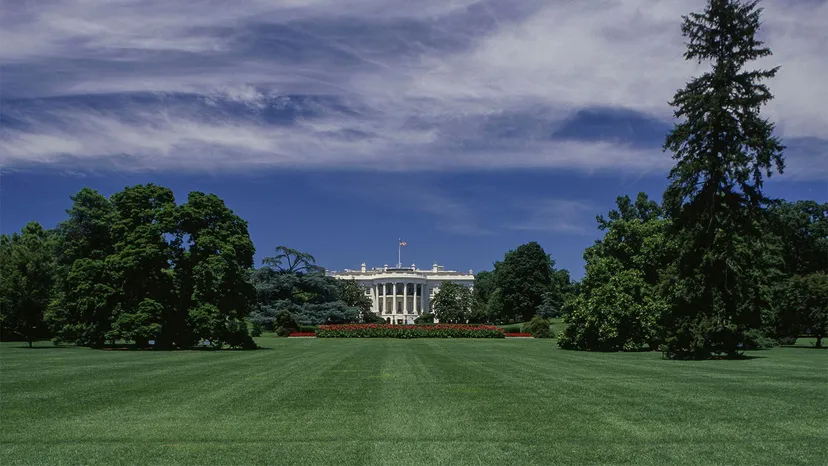
Lawns are often treated as a default part of a yard—but that doesn’t mean they’re always the best choice. Homeowners searching for do you really need a lawn are usually frustrated with maintenance, water costs, or patchy grass that never seems to thrive. The truth is, lawns work well in some situations and poorly in others.
The key is using grass intentionally—not automatically.
Why Lawns Became the Default
For decades, lawns were associated with neatness and curb appeal.
Traditionally, lawns:
- Created a clean appearance
- Required little planning
- Fit standard lot designs
But times—and priorities—have changed.
When a Lawn Actually Makes Sense
Grass still serves an important role in many landscapes.
Lawns work best when:
- Used for play or activity
- Located in sunny, open areas
- Easily accessible for maintenance
Use should justify upkeep.
When Lawns Become a Burden
Not all areas support healthy turf.
Lawns struggle in:
- Shaded areas
- Narrow side yards
- Sloped terrain
In these spaces, grass becomes a maintenance problem.
The Real Cost of Maintaining a Lawn
Lawn maintenance goes far beyond mowing.
Ongoing lawn costs include:
- Water usage
- Fertilization
- Repairs and reseeding
Over time, costs add up quickly.
Alternatives That Still Look Clean and Intentional
Replacing lawn doesn’t mean sacrificing appearance.
Popular alternatives include:
- Drought-tolerant planting
- Ground cover
- Hardscaping
Design keeps alternatives polished.
Reducing Lawn Without Eliminating Green Space
Many homeowners prefer a hybrid approach.
Hybrid landscapes:
- Keep lawn where it’s used
- Replace unused turf
- Reduce maintenance overall
Balance creates flexibility.
Environmental and Water Considerations
Water efficiency is becoming increasingly important.
Reducing lawn:
- Lowers water consumption
- Supports sustainability
- Reduces runoff
Efficient landscapes perform better.
How Lawn Size Affects Yard Usability
Large lawns often look open but don’t invite use.
Designing for use:
- Creates defined spaces
- Encourages activity
- Improves comfort
Function beats filler.
Why Lawn Replacement Should Be Planned Carefully
Random lawn removal can create awkward spaces.
Thoughtful replacement:
- Maintains flow
- Preserves balance
- Improves long-term results
Design prevents regret.
Why Professional Design Helps Homeowners Decide
Professionals evaluate sun, soil, use, and maintenance expectations.
Expert guidance:
- Prevents overcorrection
- Aligns choices with lifestyle
- Creates cohesive results
Decisions should be informed—not reactive.


.svg)