
.svg)

.svg)

Do You Really Need a Retaining Wall? Signs Your Yard Might
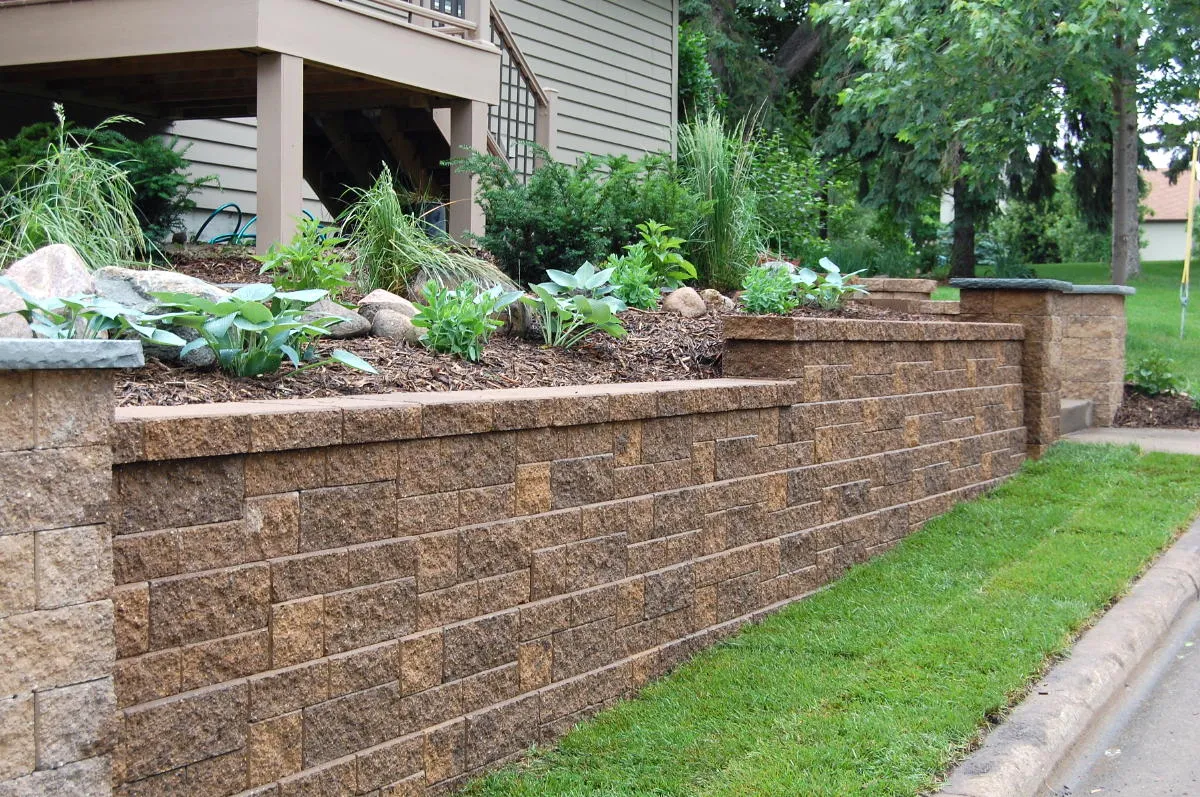
Retaining walls are one of the most misunderstood landscape features. Some homeowners are told they must have one, while others ignore warning signs until serious damage appears. Searches for when do you need a retaining wall usually come from people dealing with slopes, erosion, or uneven yards—but unsure if a wall is truly necessary.
A retaining wall should solve a problem, not create one.
What a Retaining Wall Is Actually Designed to Do
Retaining walls are structural elements, not decorative accents.
Their primary purpose is to:
- Hold back soil
- Manage elevation changes
- Prevent erosion and shifting
If there’s no soil pressure problem, a wall may not be needed.
Sloped Yards Don’t Always Require Retaining Walls
Not every slope needs structural support.
Gentle slopes can often be handled with:
- Proper grading
- Strategic planting
- Drainage solutions
Walls are for stability—not convenience.
Signs Your Yard May Need a Retaining Wall
Certain conditions strongly indicate a retaining wall may be necessary.
Common signs include:
- Soil erosion after rain
- Yard areas sliding or shifting
- Steep elevation changes near structures
- Exposed roots or unstable ground
Ignoring these signs can lead to bigger issues.
Why Erosion Is a Red Flag
Erosion means soil is already moving.
Unchecked erosion can:
- Undermine hardscaping
- Damage planting
- Affect foundations
A retaining wall can stabilize soil permanently.
Retaining Walls and Drainage Go Hand in Hand
Poor drainage is one of the biggest causes of wall failure.
Without proper drainage:
- Water pressure builds up
- Walls crack or lean
- Soil continues to move
Drainage must be planned with the wall.
When Retaining Walls Protect Structures
Retaining walls are often critical near homes, driveways, or patios.
They help:
- Protect foundations
- Maintain level surfaces
- Prevent structural damage
Safety is often the deciding factor.
Using Retaining Walls to Create Usable Space
Beyond stability, retaining walls can improve functionality.
They can:
- Create level planting beds
- Form terraces
- Define outdoor zones
Function is a bonus—not the primary reason.
When a Retaining Wall Is Overkill
Retaining walls aren’t always the right solution.
They may be unnecessary when:
- The slope is mild
- Drainage can be redirected
- Planting alone can stabilize soil
Walls should never be the default answer.
The Risk of Poorly Designed Retaining Walls
Improper retaining walls cause more problems than they solve.
Common issues include:
- Leaning or cracking
- Trapped water
- Soil failure behind the wall
Design and engineering matter.
Material Choice Affects Performance, Not Just Looks
Retaining wall materials must handle pressure and exposure.
Important considerations include:
- Structural strength
- Drainage capability
- Longevity
Appearance comes after performance.
Why Retaining Walls Should Be Planned Early
Adding a wall later limits design options and increases cost.
Early planning:
- Improves placement
- Integrates drainage
- Enhances overall design
Walls work best as part of a system.
Why Professional Evaluation Prevents Costly Mistakes
Retaining walls involve soil, water, and pressure—guesswork is risky.
Professional planning:
- Identifies true need
- Prevents overbuilding
- Ensures long-term stability
Not every yard needs a wall—but the right ones do.


.svg)