
.svg)

.svg)
How Sustainable Landscaping Saves Time, Water, and Money
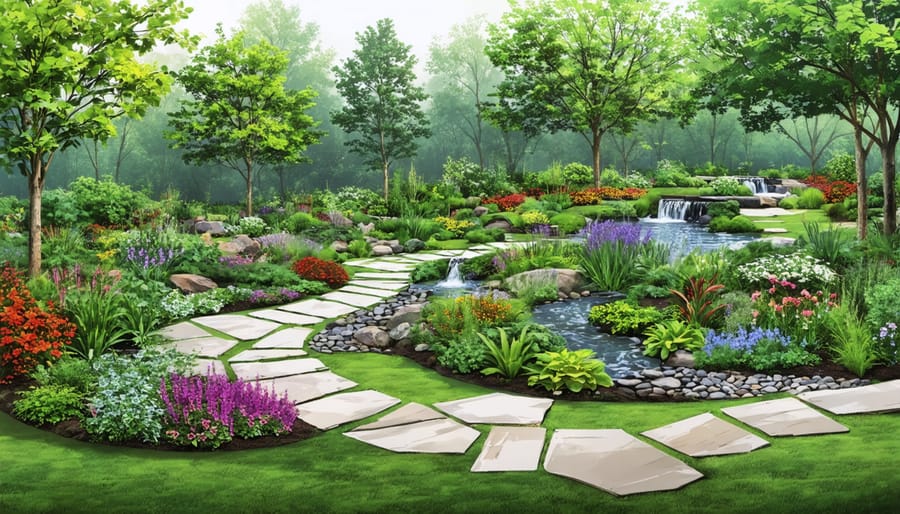
Sustainable landscaping has become a priority for homeowners who want outdoor spaces that perform well without constant upkeep. Many people begin searching for sustainable landscaping after dealing with high water bills, ongoing maintenance, or plant failure. Sustainability isn’t just about environmental impact—it’s about smarter, long-term design.
A well-planned sustainable landscape balances efficiency, beauty, and performance.
What Sustainable Landscaping Really Means
Sustainable landscaping focuses on working with natural conditions instead of against them. It prioritizes plant selection, water management, and materials that support long-term health.
Core principles include:
- Water efficiency
- Climate-appropriate planting
- Reduced maintenance needs
- Long-term durability
The goal is a landscape that thrives naturally.
Reducing Water Usage Without Sacrificing Beauty
Water efficiency is one of the biggest advantages of sustainable landscaping. Thoughtful design reduces dependence on frequent irrigation.
Water-saving strategies include:
- Drought-tolerant plants
- Efficient irrigation design
- Reduced turf areas
These choices lower water bills while maintaining visual appeal.
Lower Maintenance Over Time
Sustainable landscapes are designed to require less ongoing care. This makes them ideal for homeowners who want consistency without constant effort.
Low-maintenance benefits include:
- Less pruning and mowing
- Fewer plant replacements
- Reduced seasonal upkeep
Less maintenance means more enjoyment.
Healthier Plants and Soil
Plants suited to the environment tend to be healthier and more resilient. Sustainable landscaping improves soil conditions and root development.
Health benefits include:
- Stronger plant growth
- Better drought tolerance
- Reduced disease issues
Healthy landscapes last longer.
Long-Term Cost Savings
While sustainable landscaping may involve upfront planning, long-term costs are often significantly lower.
Cost-saving advantages:
- Reduced water bills
- Fewer replacements
- Lower maintenance expenses
Over time, these savings add up.
Designing for Climate Conditions
Sustainable landscapes are designed with climate realities in mind. Instead of forcing unsuitable plants to survive, the design embraces what naturally works.
Climate-conscious design:
- Improves survival rates
- Reduces resource use
- Increases landscape longevity
This approach prevents frustration and waste.
Durable Materials for Long-Term Performance
Sustainability also applies to materials. Durable hardscaping and structures reduce the need for frequent repairs or replacement.
Durable design:
- Extends lifespan of features
- Reduces material waste
- Improves overall value
Quality materials support sustainability goals.
Supporting Everyday Use and Enjoyment
Sustainable landscapes are practical, not restrictive. They’re designed to be lived in, enjoyed, and adapted over time.
Functional sustainability:
- Improves daily usability
- Supports outdoor routines
- Enhances long-term satisfaction
Efficiency doesn’t mean compromise.
Why Professional Planning Matters
Sustainable landscaping requires thoughtful coordination between plants, irrigation, grading, and materials. Without proper planning, efficiency goals often fall short.
Professional design:
- Aligns all elements
- Avoids common pitfalls
- Delivers lasting performance
Expert planning turns sustainability into reality.


.svg)