
.svg)

.svg)

How to Choose the Right Fence for Your Landscape
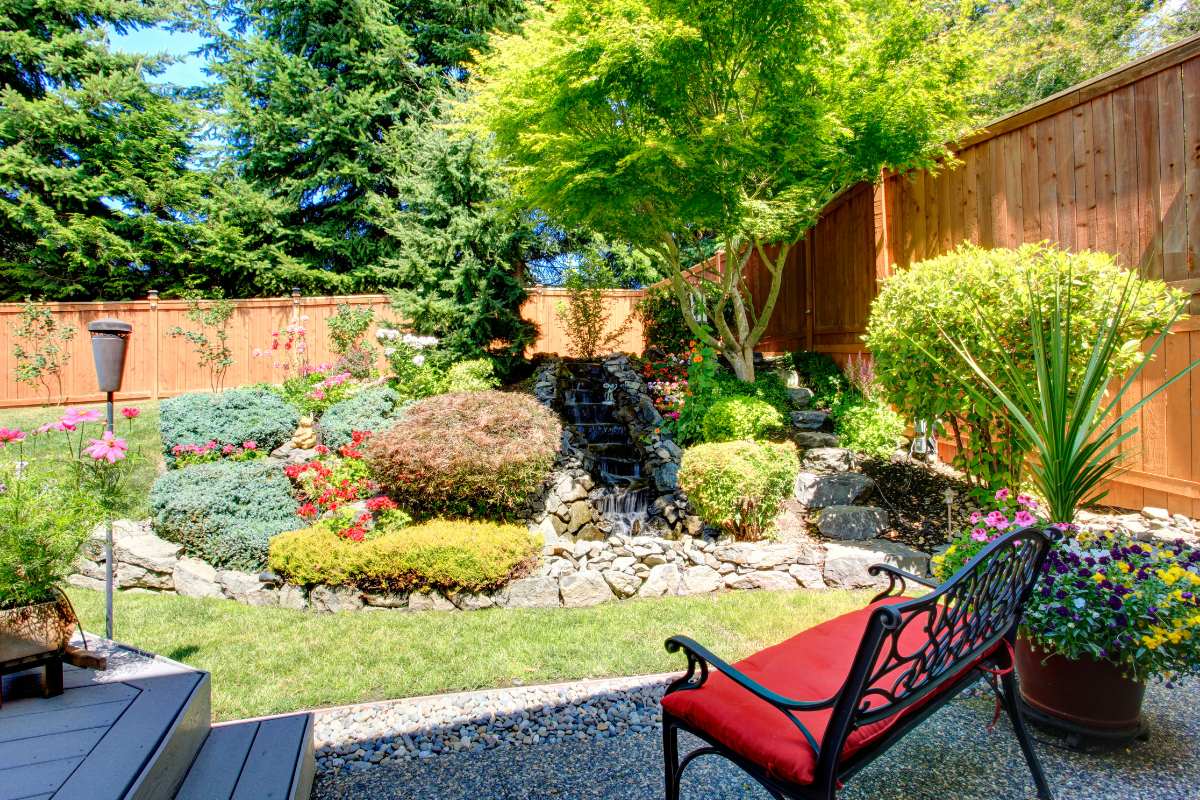
A fence does more than mark property lines—it plays a major role in how a landscape looks, feels, and functions. Many homeowners begin searching for how to choose the right fence when planning upgrades for privacy, security, or visual appeal. The right fence should work with the landscape, not compete with it.
Thoughtful selection leads to better performance and aesthetics.
Define the Purpose of Your Fence
Before choosing a fence, it’s important to understand why you need one. Different goals require different materials and designs.
Common fence purposes include:
- Privacy
- Security
- Safety
- Visual boundaries
Clarity helps narrow options quickly.
Privacy vs Open Design
Privacy fences provide seclusion, while open designs maintain visibility and airflow. Choosing the right level of enclosure depends on how the yard will be used.
Privacy-focused fences:
- Block views
- Increase comfort
- Reduce noise
Open designs:
- Maintain sightlines
- Feel less restrictive
- Enhance visual flow
Balance is key.
Choosing Fence Materials
Fence materials affect durability, maintenance, and appearance. Each option offers unique benefits.
Common materials include:
- Wood
- Metal
- Composite
Material choice should match lifestyle and maintenance preferences.
Integrating the Fence With Landscaping
A fence should feel like part of the landscape—not an afterthought. Landscaping softens fence lines and improves cohesion.
Integration strategies:
- Planting along fence lines
- Matching materials with hardscaping
- Using consistent color palettes
Design integration elevates the result.
Considering Yard Size and Layout
Fence height, placement, and style should suit the size and shape of the yard. Oversized fences can overwhelm small spaces.
Proper planning:
- Maintains proportion
- Improves usability
- Enhances balance
Scale matters in fence design.
Maintenance and Longevity
Maintenance expectations often influence fence choice. Some materials require more upkeep than others.
Low-maintenance options:
- Resist weathering
- Maintain appearance longer
- Reduce repairs
Long-term performance should guide decisions.
Improving Security and Safety
Fences provide peace of mind by defining boundaries and restricting access.
Security benefits include:
- Clear property lines
- Safer outdoor spaces
- Controlled entry points
Design should support safety without sacrificing aesthetics.
Enhancing Curb Appeal
The right fence improves curb appeal and frames the property attractively. Poor fence choices can detract from the entire landscape.
Aesthetic considerations include:
- Style consistency
- Color coordination
- Clean lines
Fences should complement the home and yard.
Local Considerations and Placement
Fence placement should account for property lines, layout, and neighboring views.
Thoughtful placement:
- Avoids conflicts
- Improves functionality
- Enhances privacy
Planning prevents future issues.
Why Professional Planning Matters
Choosing a fence without design guidance often leads to mismatched styles or functional issues. Professional planning ensures the fence supports the overall landscape vision.
Expert planning:
- Aligns form and function
- Improves durability
- Creates cohesive results
Fences work best when designed intentionally.


.svg)