
.svg)

.svg)

How to Choose the Right Plants for Your Landscape
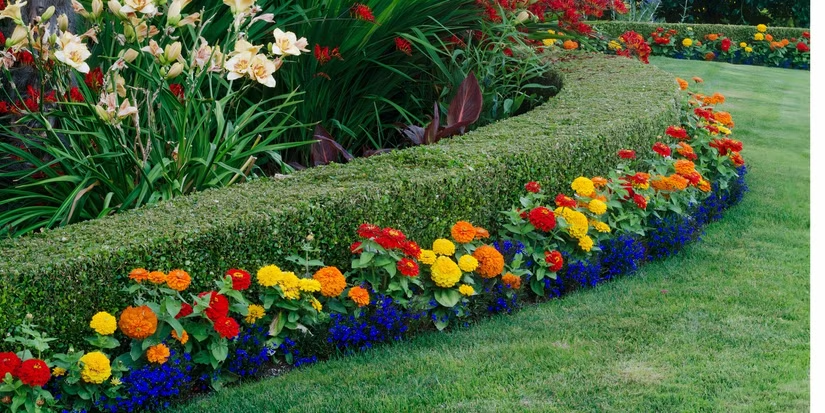
Choosing plants is one of the most important decisions in any landscaping project. Many homeowners search for guidance after experiencing plant loss, overcrowding, or high maintenance demands. Knowing how to choose the right plants for your landscape helps ensure long-term success, healthier growth, and a yard that looks great year after year.
Plant selection should be intentional—not based on appearance alone.
Start With Sun and Shade Conditions
Sun exposure plays a major role in plant health. Plants that don’t receive the right amount of sunlight often struggle, even with proper care.
When selecting plants, consider:
- Full sun areas
- Partial shade zones
- Heavily shaded spaces
Matching plants to these conditions helps prevent stress and poor growth.
Understand Water Needs
Different plants require different amounts of water. Mixing plants with conflicting water needs often leads to overwatering or underwatering.
Smart plant selection groups plants with:
- Similar watering requirements
- Compatible irrigation needs
This improves efficiency and plant health while reducing water waste.
Consider Long-Term Growth and Size
One of the most common planting mistakes is choosing plants without considering how large they will become. Plants that look small at installation can quickly outgrow their space.
Planning for mature size helps:
- Prevent overcrowding
- Maintain visual balance
- Reduce pruning needs
Long-term thinking protects both design and maintenance.
Match Plants to Maintenance Preferences
Homeowners should be realistic about how much time they want to spend maintaining their landscape. Some plants require frequent pruning, fertilizing, or replacement.
Low-maintenance plant choices:
- Reduce ongoing work
- Improve consistency
- Support long-term satisfaction
Choosing the right plants aligns the landscape with the homeowner’s lifestyle.
Use Native and Adapted Plants When Possible
Native and well-adapted plants are often easier to maintain and more resilient. These plants are suited to local climate conditions and typically require less water and care once established.
Benefits include:
- Better survival rates
- Reduced watering needs
- Improved long-term performance
Native planting supports both efficiency and sustainability.
Balance Visual Interest and Simplicity
A successful landscape balances visual interest with simplicity. Too many plant varieties can make a yard feel cluttered and harder to maintain.
A balanced planting plan:
- Uses repetition
- Focuses on complementary colors and textures
- Maintains clean structure
This creates a polished, cohesive appearance.
Think About Seasonal Changes
Plants change throughout the year. Selecting a mix of plants that perform well across seasons helps maintain interest and structure year-round.
Seasonal planning helps:
- Avoid bare or empty spaces
- Maintain consistent appeal
- Support plant health
Seasonal balance improves long-term satisfaction.
Integrate Plants With Overall Design
Plant selection should support the overall landscape design, not compete with it. Plants should complement hardscaping, structures, and layout.
Integrated design ensures:
- Better flow
- Visual harmony
- Improved usability
Plants work best when they’re part of a cohesive plan.
Why Professional Guidance Matters
Plant selection mistakes are costly and time-consuming. Professional insight helps homeowners choose plants that fit the space, climate, and long-term goals.
Expert guidance ensures:
- Smarter plant choices
- Better layout planning
- Reduced maintenance issues
A thoughtful approach delivers healthier landscapes that last.


.svg)