
.svg)

.svg)

How to Design a Landscape That Feels Calm and Relaxing
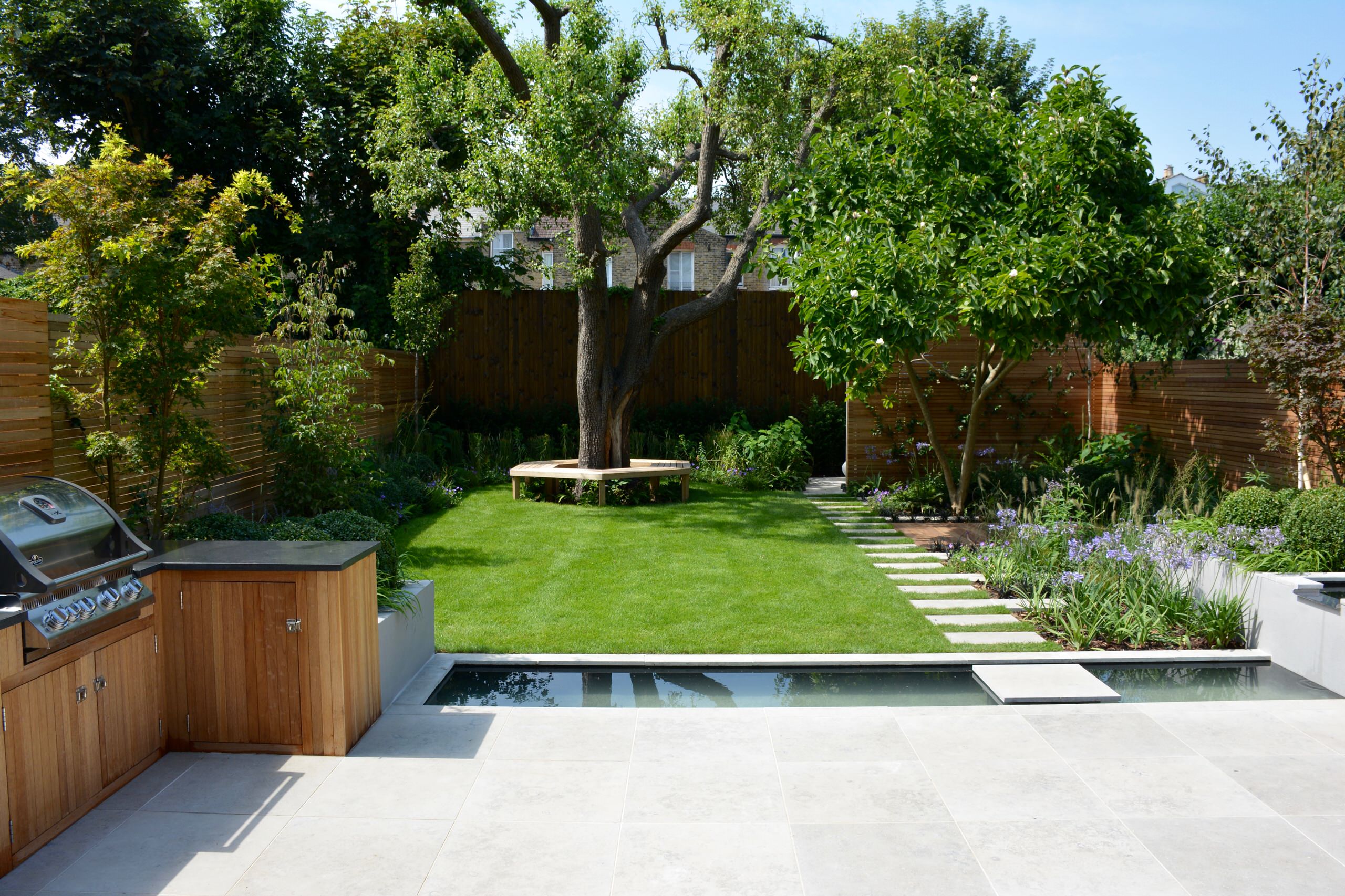
Many homeowners want their yard to feel like an escape—but end up with spaces that feel busy, loud, or overstimulating. Searches for how to design a calm, relaxing landscape usually come from people looking for more than aesthetics. They want a place to decompress, recharge, and feel at ease after long days.
A calming landscape is created through intention, not excess.
Why Some Landscapes Feel Stressful Instead of Peaceful
More features don’t automatically create comfort.
Landscapes feel stressful when they include:
- Too many competing focal points
- Loud colors or textures
- Cluttered layouts
Calm comes from simplicity and balance.
The Importance of Visual Flow
Relaxing landscapes guide the eye smoothly.
Good flow:
- Avoids abrupt transitions
- Uses repetition and rhythm
- Creates gentle movement
When the eye relaxes, the mind follows.
Limiting the Color Palette
Color strongly affects mood.
Calming landscapes often rely on:
- Greens and soft neutrals
- Subtle contrast
- Minimal high-intensity colors
Consistency creates harmony.
Using Plants for Softness and Movement
Plants add life and texture—but placement matters.
Relaxing planting focuses on:
- Layered heights
- Natural forms
- Gentle movement from breeze
Soft shapes feel more inviting than rigid lines.
Why Water Features Promote Relaxation
Water engages the senses without overwhelming them.
Water features help by:
- Masking background noise
- Creating gentle, rhythmic sound
- Encouraging stillness
Sound is just as important as sight.
Reducing Hard Edges and Sharp Transitions
Harsh lines increase visual tension.
Calming design uses:
- Curves and softened edges
- Natural transitions
- Balanced spacing
Softness reduces visual stress.
Creating One Primary Focal Point
Too many focal points compete for attention.
A single focal point:
- Anchors the space
- Reduces distraction
- Creates clarity
Focus enhances calm.
Designing Comfortable, Inviting Spaces
Relaxation requires comfort.
Key comfort elements include:
- Shaded seating
- Proper scale furniture areas
- Wind protection
If the space isn’t comfortable, it won’t be calming.
Sound Management Through Layout
Noise affects relaxation more than most homeowners realize.
Design can reduce noise by:
- Creating buffers with planting
- Positioning seating away from sources
- Using sound-absorbing elements
Quiet supports calm.
Why Open Space Is Just as Important as Features
Empty space allows the landscape to breathe.
Open areas:
- Reduce clutter
- Highlight key elements
- Prevent overstimulation
Negative space is intentional design.
Lighting That Supports Relaxation
Harsh lighting disrupts calm environments.
Relaxing lighting:
- Uses warm tones
- Avoids glare
- Highlights softly
Lighting should fade into the background.
Why Calm Landscapes Require Thoughtful Planning
Calm doesn’t happen by accident.
Intentional design:
- Filters out excess
- Aligns layout with mood
- Creates lasting tranquility
Planning is what makes calm sustainable.
Why Professional Design Makes Relaxing Landscapes Successful
Professionals design with emotion and experience in mind.
Expert planning:
- Balances stimulation and rest
- Eliminates visual noise
- Creates spaces people actually use to unwind
Relaxation is designed—not improvised.


.svg)