
.svg)

.svg)

How to Design a Low-Maintenance Backyard That Still Looks Amazing
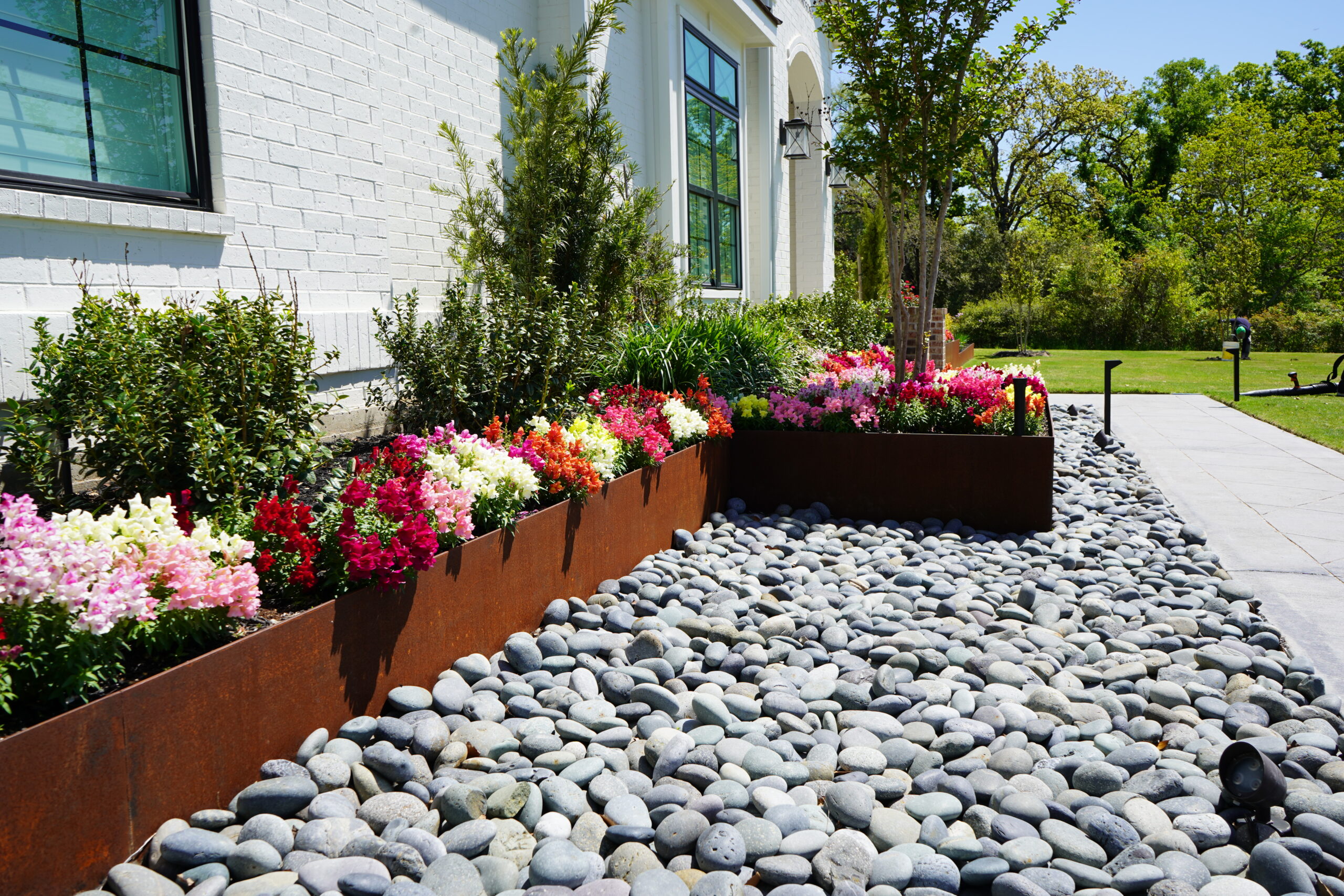
A backyard should be a place to relax—not another item on your to-do list. Many homeowners search for low-maintenance backyard design ideas after realizing their outdoor space requires constant mowing, pruning, or fixing. The good news is that low maintenance doesn’t mean boring or bare. With the right design choices, you can dramatically reduce upkeep while improving the overall look and usability of your yard.
Low maintenance starts with smart planning.
Why Some Backyards Require So Much Work
High maintenance is usually caused by design decisions, not neglect. When layouts and plant choices don’t match the environment, upkeep becomes endless.
Common causes include:
- Overplanting
- Too much lawn in unused areas
- High-maintenance plants
- Poor irrigation planning
Design determines effort long before maintenance begins.
Reduce Lawn Where It’s Not Being Used
Grass requires frequent watering, mowing, and repair. Many backyards have lawn in areas that serve no real purpose.
Reducing unnecessary lawn:
- Lowers water use
- Cuts mowing time
- Improves long-term consistency
Lawn should be intentional, not automatic.
Use Hardscaping to Create Structure
Hardscaping replaces high-maintenance turf and creates usable outdoor areas.
Low-maintenance hardscape features include:
- Patios
- Walkways
- Seating areas
Hardscaping provides durability and function with minimal upkeep.
Choose Plants That Thrive Naturally
Plant selection is one of the biggest factors in maintenance level. Plants that struggle in local conditions demand constant attention.
Low-maintenance plant choices:
- Climate-appropriate species
- Native or adaptive plants
- Properly spaced plantings
Healthy plants require less intervention.
Plan for Mature Plant Size
Overcrowding leads to constant pruning and plant stress. Designing for mature size reduces long-term work.
Proper spacing:
- Improves airflow
- Reduces disease
- Maintains visual balance
Growth planning saves years of maintenance.
Simplify Planting Beds
Complex planting beds with too many species are harder to maintain. Simpler designs perform better over time.
Simplified beds:
- Are easier to care for
- Look cleaner year-round
- Stay consistent
Repetition creates polish and reduces effort.
Install Efficient Irrigation From the Start
Manual watering increases maintenance and inconsistency. Efficient irrigation delivers water where it’s needed.
Smart irrigation planning:
- Matches plant water needs
- Reduces waste
- Improves plant health
Water efficiency supports low maintenance.
Use Mulch Strategically
Mulch protects soil, retains moisture, and suppresses weeds—but only when applied correctly.
Proper mulching:
- Reduces weed growth
- Protects roots
- Improves bed appearance
Too much mulch causes problems.
Design Clear Edges and Boundaries
Undefined edges allow grass and plants to spread, increasing trimming and cleanup.
Defined borders:
- Keep beds contained
- Reduce maintenance creep
- Improve visual structure
Edges quietly do a lot of work.
Avoid Overdesigning the Space
Too many features create more upkeep. A focused design is easier to maintain and more enjoyable to use.
Low-maintenance design focuses on:
- Fewer, stronger features
- Clear layout
- Long-term usability
Simplicity lasts.
Why Professional Design Makes Low Maintenance Possible
Low-maintenance landscapes don’t happen by accident. They’re designed with intent.
Professional planning:
- Eliminates problem areas
- Matches design to lifestyle
- Reduces long-term effort
Design is the shortcut to ease.


.svg)