
.svg)

.svg)

How to Design a Low-Maintenance Landscape That Still Looks High-End
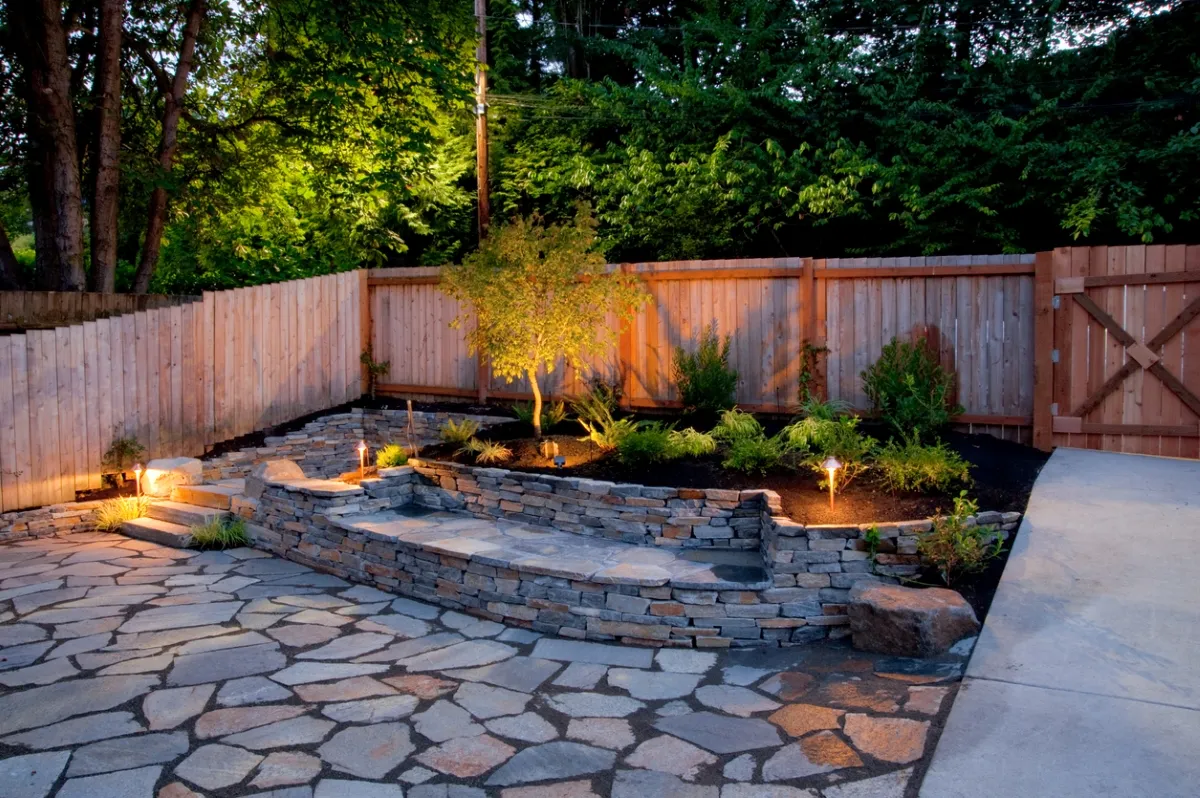
Many homeowners want a beautiful yard without the constant work. Searches for low-maintenance landscape design often come from people who want a clean, refined look without weekly upkeep. The key is understanding that low maintenance doesn’t mean boring—it means intentional design.
With the right planning, a low-maintenance landscape can feel elevated, modern, and long-lasting.
What Low-Maintenance Landscaping Really Means
Low-maintenance landscaping focuses on reducing repetitive tasks like mowing, pruning, and constant watering—without sacrificing visual appeal.
True low-maintenance design includes:
- Smart plant selection
- Efficient layout
- Durable materials
- Simplified upkeep routines
It’s about working smarter, not doing less.
Design First, Not After
One of the biggest mistakes homeowners make is trying to reduce maintenance after installation. Maintenance should guide design decisions from the beginning.
Design-first planning helps:
- Eliminate problem areas
- Reduce overcrowding
- Improve long-term performance
Good design prevents future work.
Choose Plants That Hold Their Shape
Plants that require frequent pruning increase maintenance demands. Choosing plants with predictable growth habits keeps landscapes tidy longer.
Low-maintenance plant traits include:
- Controlled growth
- Strong structure
- Adaptability to climate
These plants maintain form with minimal effort.
Limit Lawn to Where It’s Useful
Lawns require the most ongoing care in a landscape. Reducing turf to only functional areas dramatically lowers maintenance.
Smart lawn planning:
- Keeps grass where it’s used
- Replaces unused turf with design features
- Improves overall efficiency
Less lawn often means more polish.
Use Hardscaping to Reduce Upkeep
Hardscaping adds structure while minimizing maintenance. Patios, walkways, and defined borders reduce the need for constant trimming and repair.
Hardscaping benefits:
- Long-term durability
- Clean visual lines
- Reduced upkeep
These elements anchor the design.
Simplify Planting Layouts
Too many plant varieties increase maintenance complexity. Simplified planting schemes look cleaner and are easier to care for.
Effective layouts use:
- Repetition
- Layered heights
- Consistent spacing
Simplicity creates sophistication.
Efficient Irrigation Is Essential
Poor irrigation leads to stressed plants and extra work. Efficient irrigation design supports plant health while minimizing adjustments.
Good irrigation design:
- Matches plant needs
- Reduces overwatering
- Improves consistency
Healthy plants require less intervention.
Use Clean Edges and Defined Zones
Defined edges reduce spread and mess. Clear zones keep planting, lawn, and hardscaping organized.
Benefits include:
- Cleaner appearance
- Easier maintenance
- Better visual balance
Edges do more work than people realize.
High-End Style Comes From Restraint
Luxury landscapes often use fewer elements, not more. Controlled design choices feel intentional and refined.
High-end design focuses on:
- Balance
- Proportion
- Material consistency
Restraint elevates the result.
Why Professional Design Makes Low-Maintenance Possible
Low-maintenance landscapes require more planning upfront—not less. Professional design ensures every choice supports long-term ease.
Expert planning:
- Reduces future labor
- Prevents design fatigue
- Delivers lasting results
Low maintenance is a strategy, not a shortcut.


.svg)