
.svg)

.svg)

How to Design an Outdoor Space You’ll Actually Use Every Day
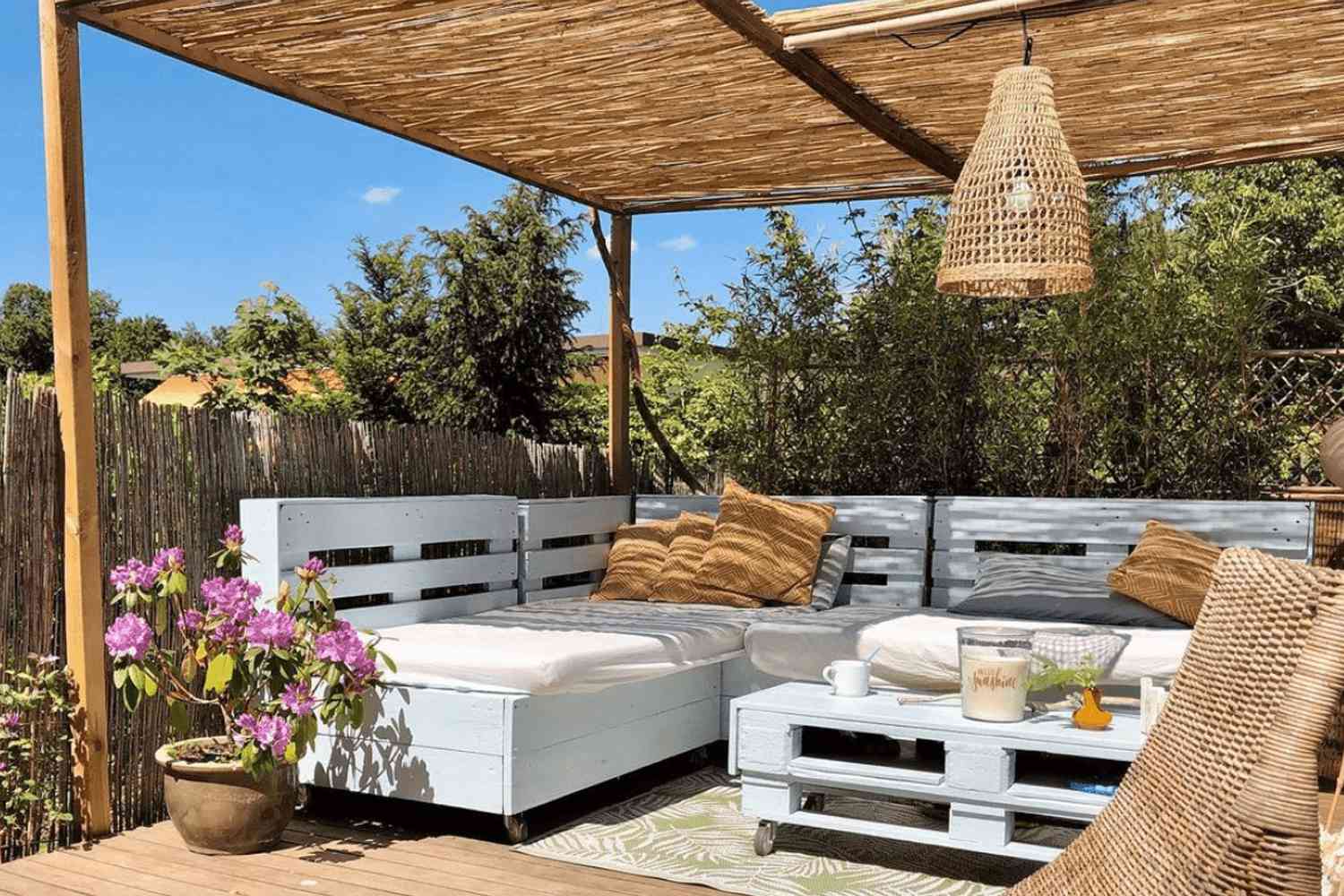
Many homeowners invest in landscaping but rarely use their outdoor space. This usually leads to frustration and searches for how to design an outdoor space you’ll actually use. A beautiful yard doesn’t always translate into a functional one. The difference comes down to planning around real-life habits—not just aesthetics.
Great outdoor spaces are designed to be lived in, not just looked at.
Why Many Outdoor Spaces Go Unused
Unused outdoor spaces often look fine but don’t feel comfortable or practical. When design ignores daily habits, the space gets overlooked.
Common reasons include:
- Poor seating placement
- Lack of shade or comfort
- Awkward layout
- No clear purpose
Design must support how people actually live.
Start With Daily Lifestyle, Not Features
Before choosing features, it’s important to think about how the space will be used on a regular basis.
Key questions include:
- Will the space be used daily or occasionally?
- Is it for relaxing, entertaining, or both?
- How many people typically use it?
Lifestyle should guide every design decision.
Create One Strong Primary Use Area
Outdoor spaces work best when there’s one main function instead of many competing ones.
Primary uses may include:
- Relaxing and lounging
- Dining outdoors
- Spending quiet time
Once the main purpose is clear, supporting features fall into place.
Comfort Is More Important Than Size
Bigger doesn’t always mean better. Comfort determines how often a space gets used.
Comfort-focused design includes:
- Proper shade
- Comfortable seating zones
- Wind and sun consideration
If it’s not comfortable, it won’t be used.
Design for Easy Access
Outdoor spaces that are hard to reach often get ignored. Convenient access increases daily use.
Good access includes:
- Direct paths from the house
- Level transitions
- Clear circulation
Ease encourages spontaneity.
Use Landscaping to Create Privacy and Calm
People are more likely to use outdoor spaces that feel private and relaxed.
Privacy-enhancing design includes:
- Strategic planting
- Screens or vertical elements
- Defined boundaries
Comfort comes from feeling at ease.
Add Lighting to Extend Use Into the Evening
Without lighting, outdoor spaces disappear after sunset. Lighting extends usability and comfort.
Effective lighting:
- Improves visibility
- Creates ambiance
- Supports evening routines
More usable hours means more enjoyment.
Avoid Overdesigning the Space
Too many features can make a space feel overwhelming. Simplicity improves usability.
Overdesign often leads to:
- Cluttered layouts
- Confusing flow
- Reduced comfort
Less can truly be more.
Low-Maintenance Design Encourages Use
Spaces that require constant upkeep are used less often. Low-maintenance design keeps outdoor areas inviting.
Low-maintenance strategies:
- Durable materials
- Efficient irrigation
- Smart plant selection
Ease supports consistency.
Why Professional Design Creates Usable Spaces
Professional designers focus on how spaces function—not just how they look.
Expert planning:
- Aligns design with lifestyle
- Eliminates unused areas
- Improves long-term satisfaction
Design should invite use, not avoid it.


.svg)