
.svg)

.svg)

How to Plan a Backyard Transformation From Start to Finish
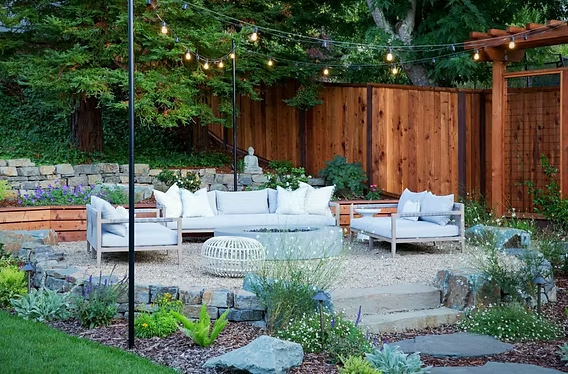
Many homeowners know they want a better backyard—but feel unsure where to start. A backyard transformation involves more than adding a few plants or features. Without proper planning, projects can become overwhelming, expensive, and disjointed. The key to a successful transformation is starting with a clear plan that aligns design, function, and long-term goals.
A thoughtful approach ensures the final result feels intentional, cohesive, and built to last.
Start With How You Want to Use the Space
The first step in planning a backyard transformation is understanding how the space should function. Design decisions should be driven by lifestyle, not trends.
Homeowners should consider:
- How the space will be used daily
- Whether it’s for entertaining, relaxing, or play
- How many people will use the space regularly
- What currently feels missing or underutilized
Clarifying purpose helps guide every design decision that follows.
Evaluate the Existing Landscape
Before planning new features, it’s important to assess what’s already there. Some elements may be worth keeping, while others may be limiting the space.
An evaluation should look at:
- Drainage and grading
- Sun and shade patterns
- Existing plants and structures
- Traffic flow and accessibility
Understanding current conditions prevents costly mistakes later.
Design the Layout Before Adding Features
A successful backyard transformation starts with layout, not individual features. Without a clear layout, even high-end additions can feel awkward or disconnected.
A strong layout:
- Defines zones for different uses
- Improves flow between areas
- Eliminates wasted space
- Creates balance and proportion
Designing the layout first ensures the backyard functions as a whole.
Incorporate Hardscaping for Structure
Hardscaping provides the backbone of a backyard transformation. Patios, walkways, steps, and retaining features create usable space and improve durability.
Hardscaping helps:
- Define gathering areas
- Improve accessibility
- Reduce maintenance in high-traffic zones
- Anchor the overall design
These elements should be planned early in the process.
Plan Planting With Long-Term Growth in Mind
Planting adds life and softness to the backyard, but poor placement can lead to overcrowding and maintenance issues. A successful transformation considers how plants will grow over time.
Smart planting plans focus on:
- Proper spacing
- Layered heights
- Seasonal interest
- Compatibility with irrigation and light
This approach ensures the landscape matures gracefully.
Integrate Irrigation and Drainage Early
Water management is a critical part of backyard planning. Irrigation and drainage should be integrated into the design—not added as an afterthought.
Proper planning helps:
- Support plant health
- Prevent standing water
- Improve efficiency
- Protect hardscaping investments
Early integration avoids rework and added costs.
Balance Maintenance With Design Goals
A backyard transformation should align with how much maintenance the homeowner wants to handle. High-maintenance designs often lose appeal over time.
Low-maintenance strategies may include:
- Native or drought-tolerant plants
- Reduced lawn areas
- Durable materials
- Efficient irrigation systems
Designing with maintenance in mind protects long-term satisfaction.
Consider Phased Installation When Needed
Not every transformation needs to happen all at once. Phased planning allows homeowners to complete upgrades over time while maintaining a cohesive design.
Phasing helps:
- Manage budgets
- Prioritize essential elements
- Align installation with timing needs
A master plan ensures every phase fits the overall vision.
Why Professional Design Makes the Difference
Backyard transformations involve many moving parts. Professional design brings structure, clarity, and experience to the process.
Expert planning helps homeowners:
- Avoid costly mistakes
- Maximize usable space
- Create cohesive layouts
- Achieve long-term success
Professional guidance turns ideas into a clear, buildable plan.


.svg)