
.svg)

.svg)

How to Turn Landscape Ideas Into a Clear, Buildable Plan
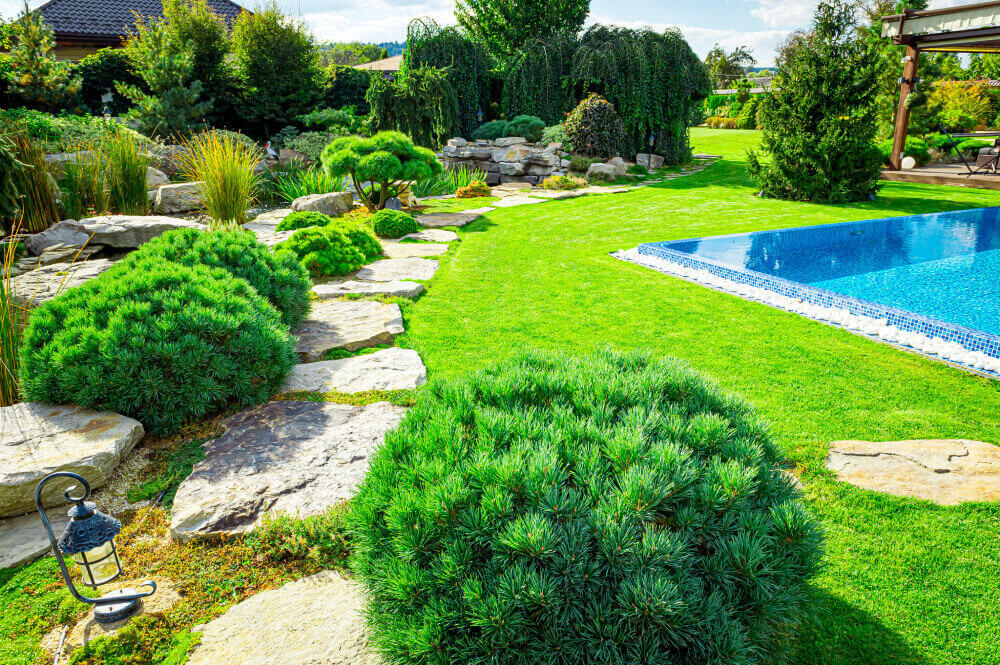
Many homeowners have ideas for their outdoor space but struggle to turn those ideas into something actionable. Searching for how to turn landscape ideas into a plan often comes from feeling stuck between inspiration and execution. Without a clear strategy, ideas can quickly become overwhelming or lead to disjointed results.
The key is transforming ideas into a structured, buildable design.
Why Ideas Alone Aren’t Enough
Pinterest boards, inspiration photos, and saved images can spark creativity, but they don’t account for real-world conditions. Without planning, these ideas may not fit the property’s layout, climate, or budget.
Ideas alone often lack:
- Scale and proportion
- Functional layout
- Long-term performance considerations
A plan bridges the gap between vision and reality.
Start With Goals, Not Features
The best landscape plans start with goals instead of specific features. Understanding how the space should function guides smarter decisions.
Key questions include:
- How will the space be used?
- Who will use it?
- How much maintenance is realistic?
Goals provide direction before design details are chosen.
Evaluate the Existing Space
Every yard has limitations and opportunities. Evaluating the space helps refine ideas and identify what will work best.
Evaluation should consider:
- Sun and shade patterns
- Drainage and grading
- Access points and movement
These factors shape what’s possible.
Organize Ideas Into Functional Zones
A buildable plan organizes ideas into zones rather than scattered features. Zoning improves flow and usability.
Common zones include:
- Gathering areas
- Walkways and transitions
- Planting and buffer spaces
Zoning turns abstract ideas into structured layouts.
Balance Design and Practicality
A successful plan balances visual appeal with functionality. Designs that look great on paper must also work in everyday use.
Practical considerations include:
- Traffic flow
- Safety and accessibility
- Maintenance needs
Design should support real-life use.
Create a Cohesive Design Language
Random features can make a landscape feel cluttered. A buildable plan uses consistent materials, colors, and styles.
Cohesive design:
- Improves visual flow
- Reduces decision fatigue
- Enhances overall polish
Consistency brings ideas together.
Plan for Growth and Change
Landscapes evolve over time. A buildable plan accounts for plant growth, future upgrades, and changing needs.
Planning ahead helps:
- Avoid overcrowding
- Support phased upgrades
- Maintain long-term balance
Designing for the future prevents rework.
Use Design Tools to Visualize the Plan
Design tools like 2D layouts and 3D visuals help homeowners understand how ideas will translate into reality.
Visualization:
- Reduces uncertainty
- Improves decision-making
- Aligns expectations
Seeing the plan builds confidence.
Why Professional Design Makes the Difference
Turning ideas into a buildable plan requires experience and structure. Professional designers help refine ideas, solve challenges, and create clear direction.
Expert guidance:
- Prevents costly mistakes
- Improves usability
- Delivers long-term success
A professional plan transforms inspiration into results.


.svg)