
.svg)

.svg)

How Weather Impacts Your Landscape (and How Smart Design Protects It)
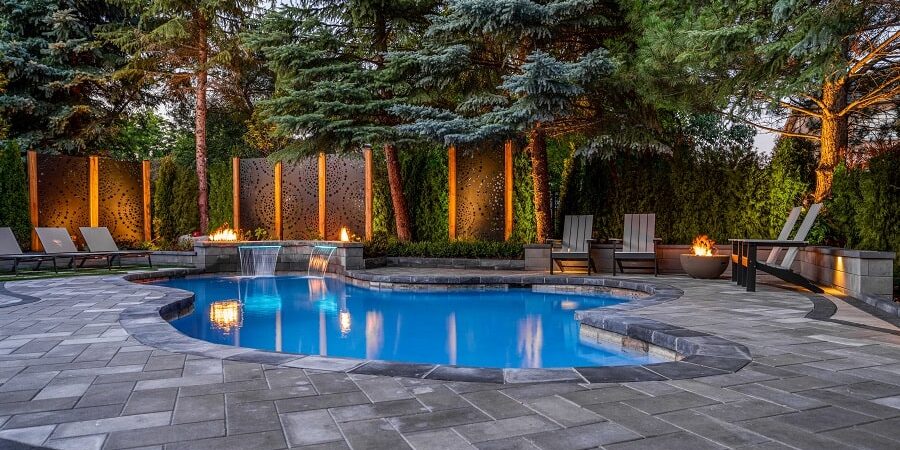
Weather plays a bigger role in landscape success than most homeowners realize. Many people search for how weather affects landscape design after seeing plants fail, patios shift, or drainage issues appear year after year. A landscape that doesn’t account for weather patterns is far more likely to struggle over time.
Smart design works with the environment, not against it.
Why Weather Should Guide Landscape Decisions
Landscapes are exposed to the elements every day. Heat, rain, wind, and seasonal changes all influence performance.
Weather-aware design:
- Reduces long-term damage
- Improves durability
- Protects investment
Ignoring climate leads to repeat problems.
Heat and Sun Exposure Considerations
Sun exposure affects plant health, comfort, and material performance.
Poor sun planning can cause:
- Scorched plants
- Overheated patios
- Unusable outdoor spaces
Design should respond to sunlight patterns.
Rainfall and Drainage Challenges
Heavy or inconsistent rainfall is one of the biggest threats to landscape longevity.
Rain-related issues include:
- Soil erosion
- Water pooling
- Plant root damage
Drainage planning is essential for stability.
Wind Exposure and Plant Protection
Wind dries out soil and damages plants, especially in open areas.
Wind-aware design includes:
- Strategic plant placement
- Wind-buffering elements
- Protected seating zones
Shelter improves comfort and plant health.
Seasonal Temperature Changes
Landscapes must handle both hot and cool conditions throughout the year.
Seasonal planning:
- Reduces plant stress
- Prevents material cracking
- Improves consistency
Durability comes from anticipation.
Choosing Materials That Handle Weather Well
Not all materials perform equally outdoors. Some absorb heat, others shift with moisture.
Weather-resistant materials:
- Maintain structure
- Reduce maintenance
- Last longer
Material choice affects lifespan.
Plant Selection and Climate Compatibility
Plants unsuited to the climate struggle no matter how well they’re maintained.
Climate-appropriate plants:
- Require less water
- Handle temperature swings
- Perform consistently
Compatibility is more important than appearance.
Protecting Hardscaping From Movement
Temperature changes and moisture affect the ground beneath hardscaping.
Smart installation:
- Accounts for expansion
- Prevents shifting
- Maintains level surfaces
Subsurface planning matters.
Designing for Long-Term Weather Patterns
Weather issues often repeat annually. Designing for long-term patterns prevents recurring damage.
Long-term planning:
- Reduces repairs
- Improves performance
- Protects landscape features
Consistency comes from preparation.
Why Professional Weather-Aware Design Matters
Professionals understand how local weather impacts landscapes over time.
Expert design:
- Anticipates stress points
- Prevents failure
- Delivers reliable results
Experience turns climate into an advantage.


.svg)