
.svg)

.svg)

How Zenscaping Creates a Calm and Balanced Outdoor Space
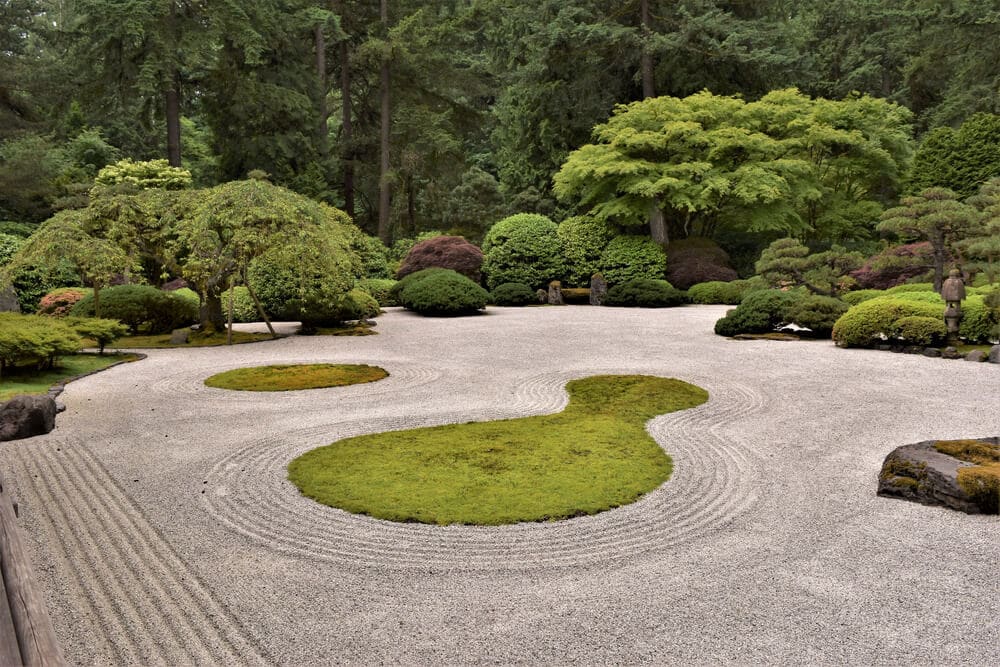
Many homeowners want their outdoor space to feel like an escape—a place to relax, recharge, and step away from daily stress. Zenscaping focuses on creating calm, intentional landscapes that promote balance, simplicity, and tranquility. When paired with custom water features, this design style transforms ordinary yards into peaceful retreats.
Zenscaping isn’t about filling a space with elements. It’s about choosing the right features, textures, and layouts to create harmony throughout the landscape.
What Is Zenscaping?
Zenscaping is a landscape design approach inspired by balance, flow, and simplicity. It focuses on clean lines, thoughtful plant placement, and natural materials to create an environment that feels calm and uncluttered.
Instead of overwhelming the space, zenscaping emphasizes:
- Open areas
- Natural textures
- Minimalist planting
- Purposeful design elements
The result is a landscape that feels peaceful and intentional.
Why Homeowners Search for Zenscaping
Homeowners often explore zenscaping when they want:
- A quiet place to relax outdoors
- Less visual clutter in their yard
- A more intentional, calming design
- A landscape that feels balanced and refined
Zenscaping appeals to homeowners looking for more than just curb appeal—it creates emotional value through design.
The Role of Water Features in Zenscaping
Water features play a key role in zenscaping by adding movement and sound without overwhelming the space. The gentle sound of flowing water helps mask background noise and enhances the sense of calm.
Common water features include:
- Bubbling fountains
- Reflecting basins
- Small cascading features
- Minimalist ponds
When designed properly, water features become focal points that anchor the entire landscape.
How Zenscaping Reduces Maintenance Stress
One of the advantages of zenscaping is its low-maintenance nature. Because designs focus on simplicity and intentional plant choices, upkeep is often more manageable than traditional landscapes.
Zenscaping typically includes:
- Carefully selected plant varieties
- Fewer high-maintenance elements
- Clean hardscape transitions
- Efficient irrigation planning
This allows homeowners to enjoy their space without constant maintenance demands.
Balance Through Natural Materials
Natural materials are essential in zenscaping design. Stone, gravel, wood, and water are often used to create texture and contrast while maintaining a grounded, organic feel.
These materials help:
- Define pathways and spaces
- Create visual flow
- Add subtle contrast
- Enhance durability
When combined with thoughtful planting, natural materials bring depth without distraction.
Designing for Flow and Movement
Zenscaping prioritizes how people move through the space. Pathways, open areas, and focal points are arranged to guide movement naturally and encourage pause and reflection.
This design approach ensures:
- Smooth transitions between areas
- Clear visual lines
- Spaces that feel open, not crowded
Flow is a defining element that separates zenscaping from more traditional landscape styles.
Zenscaping Works With Many Landscape Styles
While inspired by minimalist design, zenscaping can complement a variety of properties. It integrates well with:
- Modern landscapes
- Naturalistic gardens
- Courtyards and backyards
- Outdoor seating areas
This flexibility allows homeowners to enjoy the calming benefits of zenscaping without sacrificing personal style.
Why Professional Zenscaping Design Matters
Zenscaping requires restraint and intention. Without proper planning, spaces can feel empty instead of calming. Professional design ensures balance, proportion, and cohesion throughout the landscape.
Thoughtful planning helps create a space that feels complete while maintaining simplicity.


.svg)