
.svg)

.svg)

Why Outdoor Lighting Is One of the Most Overlooked Landscape Upgrades
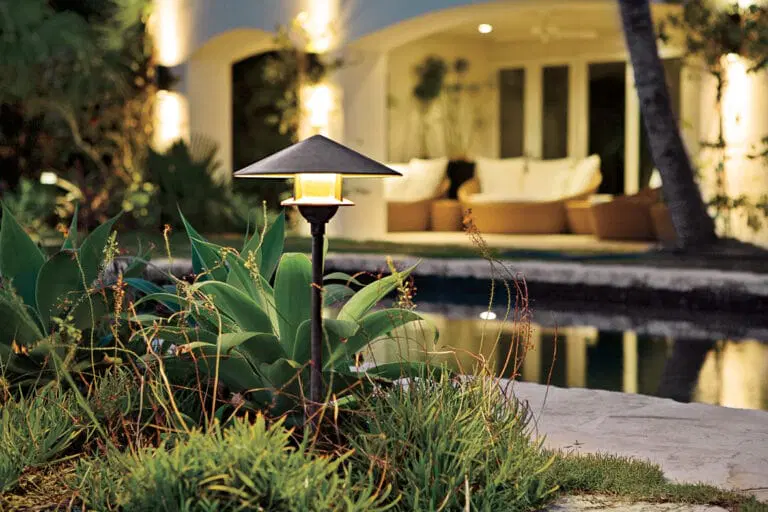
Outdoor lighting is often treated as an afterthought—something added once everything else is finished. But homeowners searching for why outdoor lighting matters in landscaping usually realize their yard disappears after dark or feels unsafe at night. Proper lighting doesn’t just help you see—it transforms how a landscape looks, feels, and functions once the sun goes down.
Lighting is part of the design, not a finishing touch.
Why Landscapes Feel Incomplete After Dark
A well-designed yard can look great during the day but fall flat at night.
Without lighting:
- Features disappear
- Pathways become hazards
- Outdoor spaces go unused
Darkness hides the value of your landscape.
Safety Is the Most Immediate Benefit
Lighting improves visibility and reduces risk.
Safety-focused lighting:
- Illuminates walkways and steps
- Highlights elevation changes
- Improves overall awareness
A safer yard gets used more often.
Lighting Extends How Long You Can Use the Yard
Without lighting, outdoor spaces are limited to daylight hours.
Lighting allows:
- Evening relaxation
- Nighttime entertaining
- Seasonal use year-round
Usability doesn’t stop at sunset.
Highlighting Features You’ve Already Paid For
Lighting enhances existing landscape elements.
Accent lighting:
- Highlights textures
- Draws attention to focal points
- Adds depth and contrast
It amplifies your investment.
Creating Mood and Atmosphere
Lighting affects how a space feels emotionally.
Atmospheric lighting:
- Softens harsh areas
- Creates warmth
- Adds visual interest
Mood matters as much as visibility.
Preventing Harsh or Overdone Lighting
More light isn’t better—better placement is.
Poor lighting causes:
- Glare
- Flat appearance
- Uncomfortable spaces
Design prevents over-lighting.
Layered Lighting Works Best
Great lighting uses multiple layers.
Common layers include:
- Path lighting
- Accent lighting
- Ambient lighting
Layering creates balance.
Lighting Helps Define Outdoor Spaces
Lighting subtly divides zones without walls.
Lighting can:
- Separate seating areas
- Highlight transitions
- Improve flow
Light shapes space quietly.
Energy Efficiency and Modern Lighting
Modern systems are more efficient and flexible than ever.
Benefits include:
- Lower energy usage
- Long lifespan
- Custom control options
Efficiency supports sustainability.
Lighting as Part of the Overall Design Plan
Lighting works best when planned alongside planting and hardscaping.
Integrated lighting:
- Looks intentional
- Avoids rework
- Enhances cohesion
Design alignment matters.
Why Professional Lighting Design Makes a Difference
Professionals understand angles, shadows, and spacing.
Expert lighting design:
- Avoids glare
- Enhances depth
- Improves long-term performance
Lighting should enhance—not overwhelm.


.svg)