
.svg)

.svg)
Is Professional Landscape Design Really Worth It?
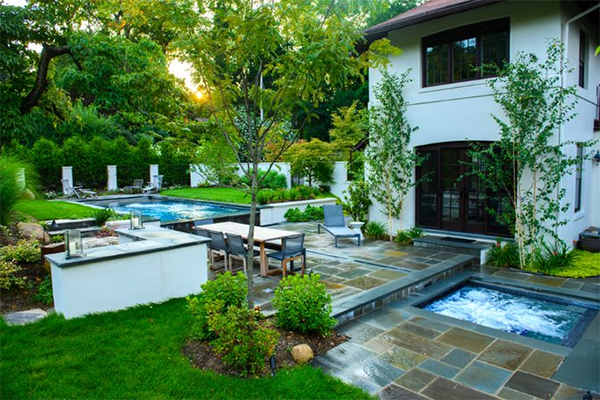
Many homeowners hesitate at the design phase. It can feel like an optional step—something you can skip to save money. Searches for is professional landscape design worth it usually come from people weighing cost against value before committing. In reality, design is often the most important part of the entire process.
Design doesn’t add cost—it prevents waste.
Why Homeowners Consider Skipping Design
Design is invisible once installation begins, which makes it easy to underestimate.
Common reasons people skip design:
- Wanting to start quickly
- Believing design is just aesthetics
- Trying to reduce upfront cost
Unfortunately, skipping design often increases total spend.
What Landscape Design Actually Does
Landscape design is more than choosing plants or layouts.
Professional design includes:
- Site evaluation
- Drainage and grading planning
- Layout and flow decisions
- Material coordination
Design creates a roadmap, not just a look.
How Design Prevents Costly Mistakes
Most landscape failures come from decisions made without a plan.
Design helps avoid:
- Rework and demolition
- Poor plant placement
- Awkward layouts
Mistakes cost far more than planning.
Why Design Saves Money Over Time
A well-designed landscape performs better long-term.
Design-driven savings include:
- Fewer plant replacements
- Lower maintenance needs
- Reduced water usage
Design improves efficiency at every level.
The Difference Between “Installed” and “Designed”
Installed landscapes may look fine initially but lack cohesion.
Designed landscapes:
- Feel intentional
- Flow naturally
- Age well
The difference becomes clearer with time.
Design Aligns the Landscape With Your Lifestyle
Design translates how you live into how the yard functions.
Lifestyle-focused design:
- Prioritizes usable space
- Reduces unused areas
- Improves comfort
The yard should work for you—not the other way around.
Why 2D and 3D Design Tools Matter
Visualization tools help homeowners understand scale and layout before installation.
Design visualization:
- Prevents surprises
- Improves confidence
- Clarifies expectations
Seeing it first saves regret later.
Design Is Especially Important for Phased Projects
When landscapes are built in stages, design keeps everything aligned.
Phased design:
- Prevents mismatched upgrades
- Protects future plans
- Maintains cohesion
Design makes phased projects successful.
Why “Design as You Go” Usually Fails
Making decisions during installation often leads to rushed choices.
On-the-fly decisions:
- Increase stress
- Reduce quality
- Lead to regret
Design should come before construction.
When Design Is Absolutely Essential
Professional design is especially important when:
- Drainage or grading is involved
- Multiple features must integrate
- Long-term value matters
Complex projects demand planning.
Why Professional Designers See What Homeowners Can’t
Professionals spot issues below the surface and beyond the obvious.
Expert insight includes:
- Water movement patterns
- Soil limitations
- Long-term growth considerations
Experience prevents problems.


.svg)