
.svg)

.svg)

Is Replacing Your Lawn With Low-Maintenance Landscaping Worth It?
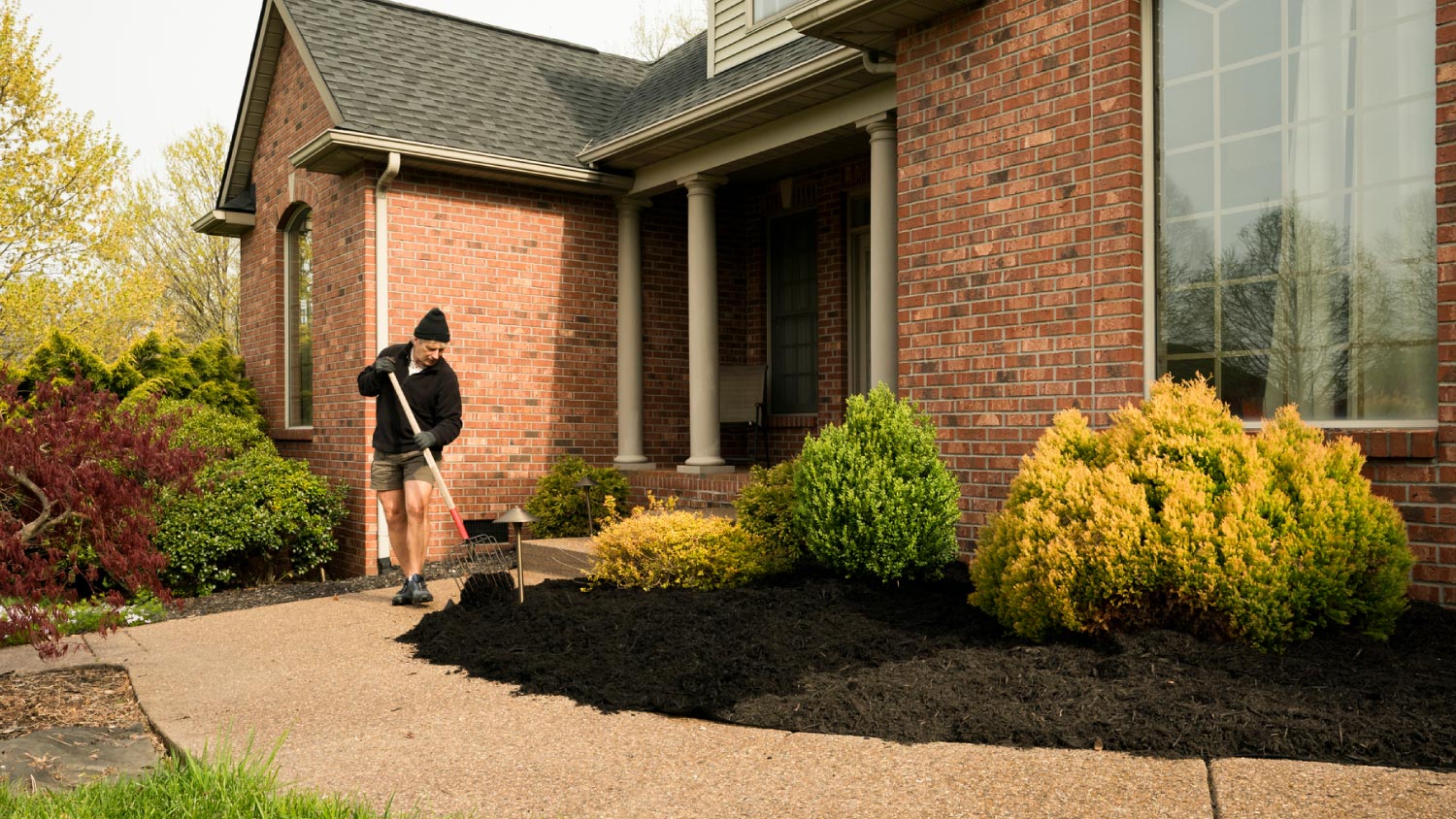
Traditional lawns can be time-consuming and expensive to maintain. Many homeowners start searching for alternatives after dealing with constant mowing, watering, and patch repairs. Questions around replacing a lawn with low-maintenance landscaping often come from wanting a yard that looks good without demanding ongoing work.
Understanding the benefits and considerations helps homeowners decide if a lawn replacement makes sense.
Why Homeowners Consider Replacing Their Lawn
Lawns require regular care to stay healthy. For many homeowners, the time and resources required outweigh the benefits.
Common reasons for lawn replacement include:
- High water usage
- Frequent mowing
- Patchy or unhealthy turf
- Limited functional use
When lawns aren’t being used, they often become more burden than benefit.
What Low-Maintenance Landscaping Looks Like
Low-maintenance landscaping focuses on reducing repetitive upkeep while maintaining visual appeal and usability.
This approach often includes:
- Drought-tolerant planting
- Defined planting beds
- Hardscaping features
- Efficient irrigation
The goal is intentional design with fewer ongoing demands.
Water Savings and Efficiency
One of the biggest advantages of replacing a lawn is reduced water consumption. Traditional turf often requires frequent watering, especially in warmer months.
Low-maintenance alternatives:
- Reduce irrigation needs
- Support drought resilience
- Lower utility costs
Water-efficient landscapes are better suited for long-term sustainability.
Reducing Ongoing Maintenance
Replacing lawn areas significantly reduces routine tasks like mowing, edging, and fertilizing.
Maintenance reduction includes:
- Fewer weekly chores
- Less equipment use
- Reduced seasonal upkeep
This frees up time while keeping the yard polished.
Improving Functionality and Use
Lawns aren’t always the most functional use of space. Many homeowners find that redesigned landscapes offer better usability.
Low-maintenance designs can create:
- Seating areas
- Walkways and transitions
- Defined gathering spaces
Function-driven design increases daily enjoyment.
Design Flexibility and Visual Appeal
Modern low-maintenance landscapes are far from boring. With thoughtful design, they can feel structured, elegant, and inviting.
Design benefits include:
- Clean lines
- Layered textures
- Seasonal interest
Visual appeal doesn’t have to rely on turf.
Long-Term Cost Considerations
While lawn replacement involves upfront investment, long-term costs are often lower.
Cost benefits include:
- Reduced water bills
- Lower maintenance expenses
- Fewer replacements or repairs
Over time, savings can offset initial costs.
Environmental and Practical Benefits
Low-maintenance landscapes support healthier ecosystems and reduce resource use.
Practical benefits include:
- Improved soil health
- Reduced chemical use
- Better adaptability to climate conditions
These landscapes are built for resilience.
Is Lawn Replacement Right for Every Yard?
Not every lawn needs to be replaced. Some areas still benefit from turf for play or visual balance.
A professional evaluation helps determine:
- Which areas to keep
- Which areas to convert
- How to maintain balance
Smart planning ensures the right solution.
Why Professional Design Is Key
Replacing a lawn requires more than removing grass. Proper design ensures drainage, layout, and plant selection work together.
Professional planning:
- Prevents erosion
- Improves long-term performance
- Delivers cohesive results
A thoughtful approach avoids common pitfalls.


.svg)