
.svg)

.svg)
Is Your Irrigation System Helping or Hurting Your Landscape?
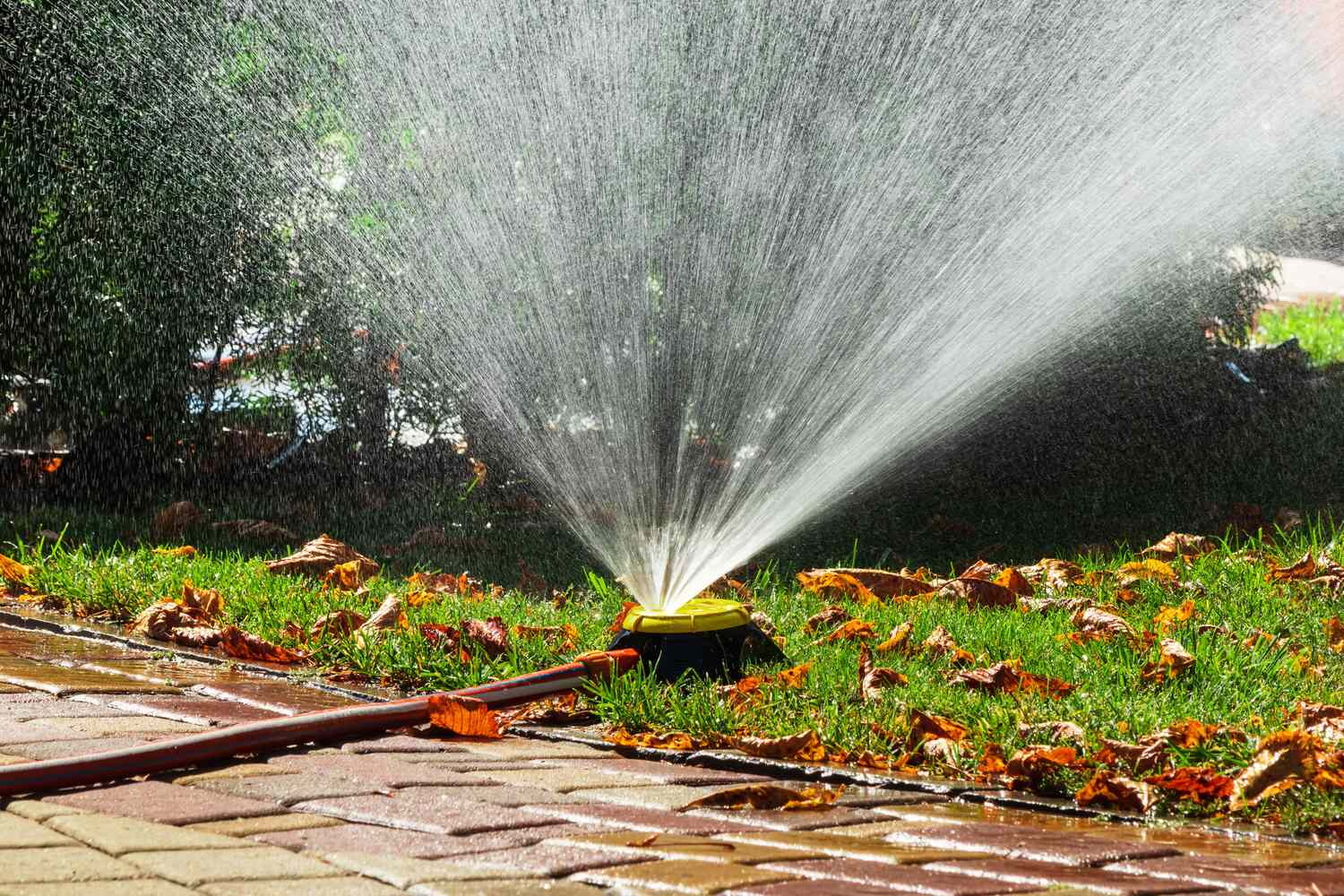
Many homeowners assume irrigation problems show up as dry grass or wilted plants. In reality, the damage often happens quietly. Searches for is your irrigation system hurting your landscape usually come from homeowners dealing with rising water bills, dying plants, or inconsistent growth despite regular watering. When irrigation isn’t designed properly, it creates more harm than help.
Water is only beneficial when it’s delivered correctly.
Why Watering More Doesn’t Mean Healthier Plants
Overwatering is one of the most common landscape problems—and one of the hardest to recognize.
Too much water can:
- Suffocate roots
- Encourage disease
- Weaken plant structure
Plants need balance, not excess.
One Irrigation Schedule Rarely Works Everywhere
Different areas of the yard have different needs. Lawns, shrubs, and planting beds shouldn’t be treated the same.
A single schedule causes:
- Overwatered turf
- Underwatered beds
- Constant manual adjustments
Irrigation should match plant type.
Poor Coverage Creates Stress Zones
Uneven spray patterns leave some areas soaked while others stay dry.
Coverage issues lead to:
- Patchy growth
- Inconsistent appearance
- Repeated plant failure
Uniform delivery is critical.
Watering the Wrong Areas
Water landing on hardscaping, fences, or driveways is wasted—and often a sign of misaligned heads.
This causes:
- Higher water bills
- Slippery surfaces
- Reduced efficiency
Every drop should serve a purpose.
Root Systems Suffer From Shallow Watering
Short, frequent watering trains roots to stay near the surface.
Shallow roots:
- Dry out faster
- Struggle in heat
- Increase plant stress
Deep, efficient watering builds resilience.
Seasonal Changes Require Adjustments
Water needs change throughout the year. Systems that run the same schedule year-round waste water and stress plants.
Seasonal mismatches cause:
- Oversaturation in cooler months
- Stress during peak heat
- Unnecessary costs
Irrigation should adapt with the seasons.
Outdated Systems Lack Efficiency
Older systems often lack proper zoning, pressure regulation, or adjustability.
Outdated systems:
- Waste water
- Require constant fixes
- Deliver inconsistent results
Efficiency starts with modern planning.
Poor Irrigation Impacts the Entire Landscape
Irrigation affects more than plants. It influences soil health, drainage, and long-term stability.
Poor watering leads to:
- Soil compaction
- Erosion
- Declining plant performance
Water touches everything.
Why Irrigation Should Be Designed With the Landscape
Irrigation works best when planned alongside planting and layout—not added afterward.
Design-first irrigation:
- Matches plant needs
- Improves efficiency
- Reduces maintenance
Systems should support design, not fight it.
How Smart Irrigation Improves Long-Term Results
Well-designed irrigation reduces effort while improving consistency.
Benefits include:
- Healthier plants
- Lower water usage
- Fewer replacements
Efficiency saves time and money.
Why Professional Irrigation Evaluation Matters
Many issues aren’t visible from the surface. Professionals evaluate flow, zoning, and plant compatibility.
Expert evaluation:
- Identifies hidden inefficiencies
- Prevents ongoing damage
- Improves overall performance
Fixing irrigation fixes more than water.


.svg)