
.svg)

.svg)

Landscaping Tips Every New Homeowner Should Know
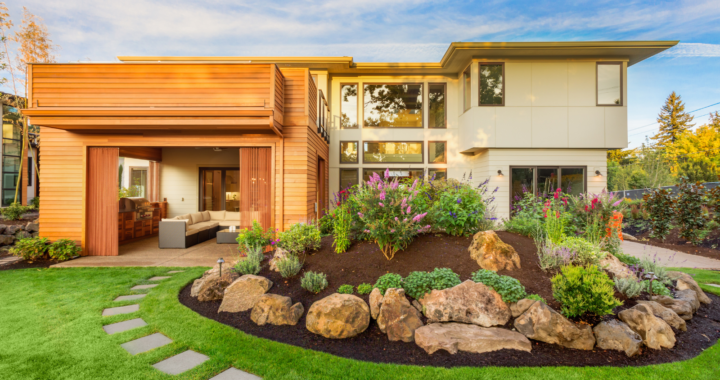
Moving into a new home is exciting, but many homeowners quickly realize the outdoor space needs attention. New homeowners often search for landscaping tips because they want to protect their investment, avoid costly mistakes, and create a yard that fits their lifestyle. Knowing what to focus on early can save time, money, and frustration.
Landscaping doesn’t need to happen all at once—but it does need a plan.
Start by Understanding Your Property
Before making any changes, new homeowners should take time to understand their yard. Every property has unique conditions that affect landscaping decisions.
Key factors to observe include:
- Sun and shade patterns
- Drainage and water flow
- Soil conditions
- Existing plants and structures
Understanding these elements helps guide smarter design choices.
Avoid Making Immediate Changes
It’s tempting to start planting or removing features right away, but rushing into changes often leads to mistakes. Spending time with the space allows homeowners to see how it functions throughout the year.
Waiting helps:
- Identify problem areas
- Avoid unnecessary removals
- Understand seasonal changes
- Plan more effectively
Observation leads to better long-term results.
Prioritize Drainage and Water Management
Drainage issues are common in new homes and should be addressed early. Standing water, erosion, or soggy areas can damage plants and hardscaping if left unresolved.
Early water management planning helps:
- Protect plant health
- Prevent erosion
- Improve yard usability
- Reduce future repair costs
Addressing drainage first prevents bigger problems later.
Plan Before Planting
Planting without a plan often leads to overcrowding, poor growth, and higher maintenance. New homeowners benefit from thinking about layout and long-term growth before adding plants.
Smart planting strategies include:
- Proper spacing
- Layered heights
- Plants suited to the environment
- Maintenance-friendly choices
Planning helps landscapes mature gracefully.
Think About Maintenance Early
New homeowners should be realistic about how much time they want to spend maintaining their yard. High-maintenance landscapes can become overwhelming quickly.
Low-maintenance considerations include:
- Native or hardy plants
- Reduced lawn areas
- Defined planting beds
- Efficient irrigation
Designing for maintenance early prevents frustration later.
Upgrade Irrigation Thoughtfully
Not all irrigation systems are set up correctly for long-term use. New homeowners should evaluate whether watering is efficient and evenly distributed.
Irrigation planning helps:
- Prevent overwatering
- Support healthy plant growth
- Reduce water waste
- Lower utility bills
Even small adjustments can improve efficiency.
Focus on Function, Not Just Appearance
Landscaping should support how the outdoor space will actually be used. New homeowners should think about movement, gathering areas, and access points.
Functional design improves:
- Everyday usability
- Safety
- Comfort
- Long-term enjoyment
Function-driven design delivers better results than aesthetics alone.
Consider a Phased Approach
Landscaping doesn’t need to be completed immediately. A phased plan allows new homeowners to spread out upgrades while maintaining a cohesive design.
Phasing helps:
- Manage budgets
- Avoid rushed decisions
- Prioritize essential improvements
A master plan ensures every phase fits the long-term vision.
Why Professional Guidance Helps New Homeowners
New homeowners often face unknown challenges with their yard. Professional insight helps identify issues early and plan smarter upgrades.
Expert guidance helps:
- Avoid common mistakes
- Maximize usable space
- Protect long-term value
- Create a clear plan
Professional planning sets new homeowners up for success.


.svg)