
.svg)

.svg)

Paver vs Stone Patios: Which Is Better for Your Outdoor Space?
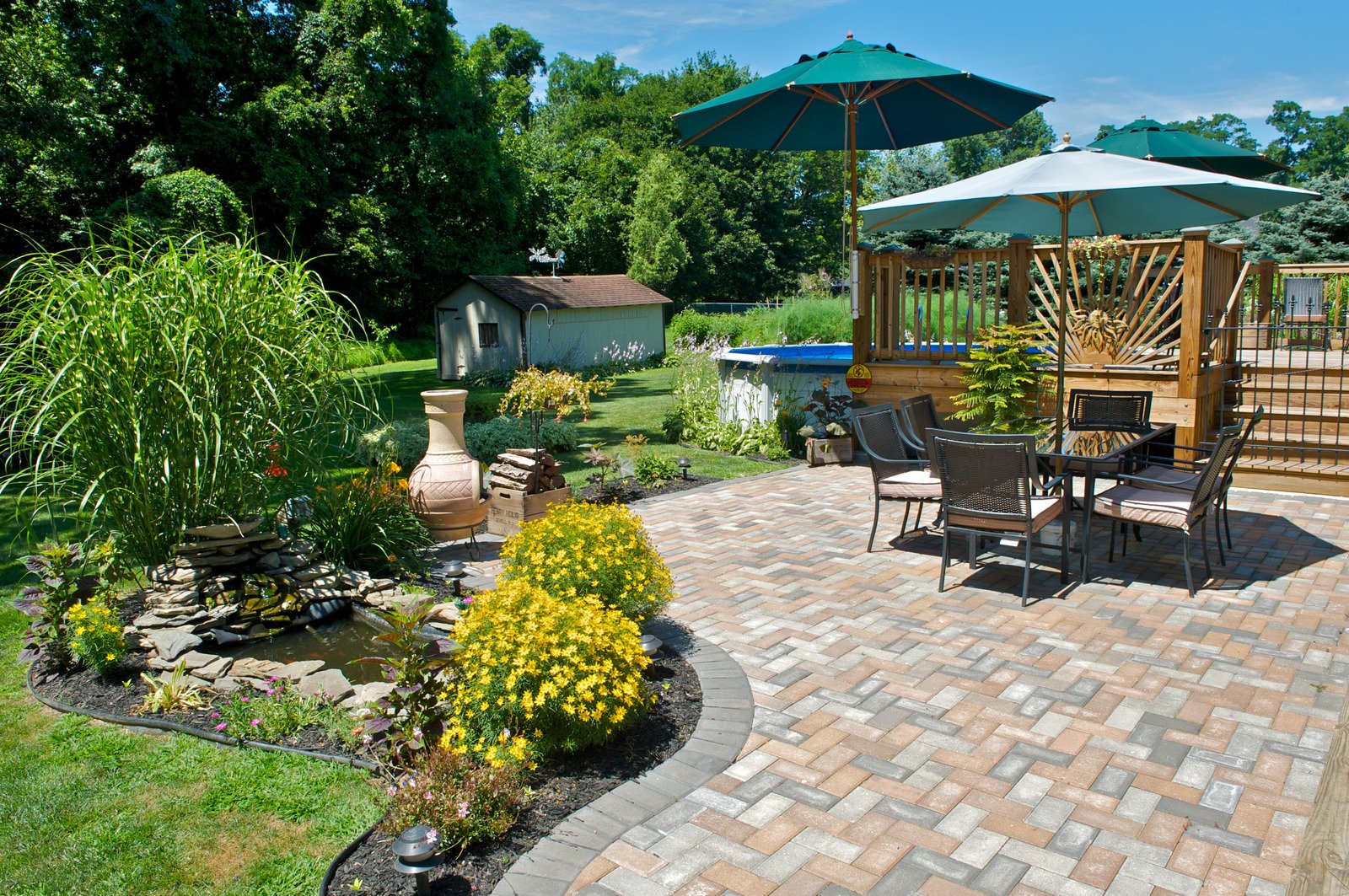
Choosing the right patio material is one of the most important decisions in an outdoor project. Many homeowners search for paver vs stone patios when planning an upgrade and want to understand which option fits their lifestyle, design goals, and maintenance expectations. While both materials offer strong benefits, the right choice depends on how the space will be used and maintained.
Understanding the differences helps homeowners make confident, long-term decisions.
What Is a Paver Patio?
Paver patios are built using individual units made from concrete or stone-like materials. These pavers are installed over a prepared base and arranged in specific patterns.
Paver patios are known for:
- Design flexibility
- Consistent sizing
- Easy repairs
They’re a popular option for structured, modern layouts.
What Is a Natural Stone Patio?
Stone patios use natural materials such as flagstone or cut stone. Each piece varies slightly in shape, color, and texture.
Natural stone patios offer:
- Organic appearance
- Unique character
- Timeless appeal
They often suit more natural or transitional designs.
Design and Visual Style Differences
Pavers provide a clean, uniform look and are ideal for homeowners who prefer symmetry and structure.
Stone patios:
- Feel more organic
- Blend naturally with landscaping
- Create a custom, one-of-a-kind appearance
Style preference plays a big role in the decision.
Durability and Performance
Both pavers and stone are durable when installed correctly. The key difference lies in how they respond to shifting and wear.
Paver patios:
- Allow individual pieces to be replaced
- Handle movement more easily
Stone patios:
- Are extremely durable
- Require precise installation
Proper base preparation is critical for both.
Maintenance Considerations
Maintenance expectations often influence material choice. Homeowners searching for long-term ease should consider upkeep needs.
Paver maintenance includes:
- Occasional joint maintenance
- Simple repairs
Stone maintenance may involve:
- Sealing
- Periodic cleaning
Both benefit from professional installation.
Drainage and Ground Conditions
Drainage plays a major role in patio performance. The patio material must work with the property’s grading and water flow.
Well-designed patios:
- Prevent pooling
- Protect surrounding landscaping
- Improve longevity
Drainage planning matters more than material choice alone.
Repair and Longevity
Paver patios are easier to repair since individual units can be removed and replaced.
Stone patios:
- Age beautifully
- Maintain character over time
- Require more involved repairs if damaged
Longevity depends on installation quality.
Cost and Long-Term Value
Costs vary depending on material type, layout complexity, and site conditions. Long-term value comes from durability and reduced rework.
Both options can deliver strong value when:
- Installed professionally
- Integrated into the overall landscape design
Short-term savings shouldn’t outweigh long-term performance.
Which Patio Option Is Right for Your Yard?
The best choice depends on:
- Desired aesthetic
- How the space will be used
- Maintenance preferences
- Existing landscape style
There’s no universal answer—only the right fit for the space.
Why Professional Design Makes the Difference
Choosing patio materials without design guidance can lead to mismatched styles or performance issues. Professional design ensures patios align with layout, drainage, and long-term goals.
Expert planning:
- Prevents costly mistakes
- Improves durability
- Enhances visual cohesion
Patios should be designed as part of the full landscape.


.svg)