
.svg)

.svg)

Pergola, Patio Cover, or Open Patio: Which One Is Right for Your Yard?
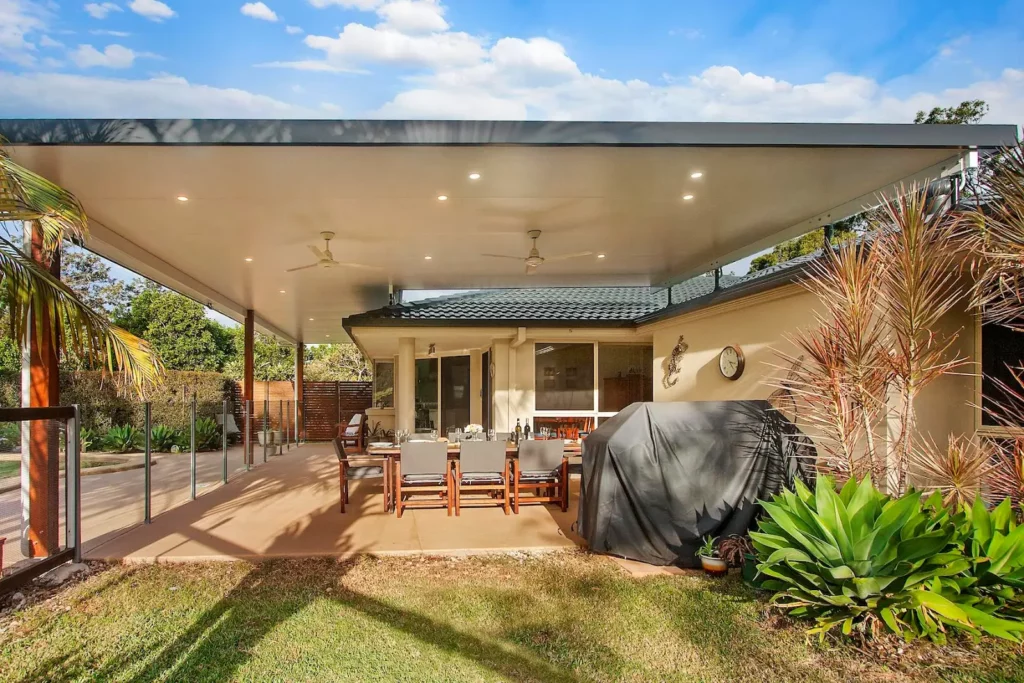
When homeowners start planning an outdoor seating area, one of the most common questions is about shade and structure. Searches for pergola vs patio cover vs open patio usually come from homeowners who want to enjoy their yard more—but aren’t sure which option makes sense for their space, lifestyle, and long-term goals.
Each option offers different benefits, and the best choice depends on how you plan to use your yard.
Why Structure Matters in Outdoor Spaces
Structure defines how an outdoor area feels and functions.
Without structure:
- Spaces feel unfinished
- Comfort is limited
- Use drops during peak sun
Structure turns open space into livable space.
What an Open Patio Offers
An open patio has no overhead coverage and relies on layout and materials for definition.
Open patios are best for:
- Occasional use
- Shaded yards
- Minimalist designs
They offer flexibility but limited protection.
Pros and Cons of Open Patios
Advantages:
- Lower upfront cost
- Clean, open feel
- No visual obstruction
Limitations:
- Full sun exposure
- Limited usability during heat or rain
- Less defined seating areas
Open patios work best when shade already exists.
What a Pergola Brings to the Space
Pergolas provide partial shade and strong visual structure.
Pergolas work well for:
- Defined seating areas
- Moderate sun control
- Architectural interest
They balance openness with comfort.
Pros and Cons of Pergolas
Advantages:
- Adds height and structure
- Improves visual appeal
- Supports climbing plants or shade elements
Limitations:
- Partial shade only
- Weather exposure remains
- Requires thoughtful placement
Pergolas excel at creating atmosphere.
What a Patio Cover Provides
Patio covers offer full overhead protection.
Patio covers are ideal for:
- Frequent outdoor use
- Dining or entertaining
- Weather protection
They maximize comfort and consistency.
Pros and Cons of Patio Covers
Advantages:
- Full shade and rain protection
- Extends usable seasons
- Protects furniture
Limitations:
- Higher cost
- Greater visual presence
- Requires precise design
Covers are best for heavy-use spaces.
How Lifestyle Determines the Best Choice
The right structure depends on how you use the space.
Ask yourself:
- Do you spend time outside daily or occasionally?
- Do you entertain often?
- Is sun exposure a major issue?
Use should guide the decision.
Sun Orientation and Yard Layout Matter
Sun direction affects shade effectiveness.
Design considerations include:
- Time of day usage
- Direction of sun exposure
- Existing trees or structures
Placement is as important as the structure itself.
Blending Structures With the Landscape
Structures should feel integrated—not added on.
Successful integration includes:
- Matching materials
- Proper scale
- Clear transitions
Design keeps structures cohesive.
Avoiding Overbuilding the Space
Too much structure can overwhelm a yard.
Balanced design:
- Preserves openness
- Maintains airflow
- Enhances comfort
More isn’t always better.
Why Professional Planning Makes the Difference
Professionals evaluate sun, layout, and lifestyle before recommending a structure.
Expert guidance:
- Prevents regret
- Maximizes usability
- Aligns design with long-term goals
The right choice feels effortless.


.svg)