
.svg)

.svg)

Planning a Pool Later? Why Your Landscape Should Be Designed for It Now
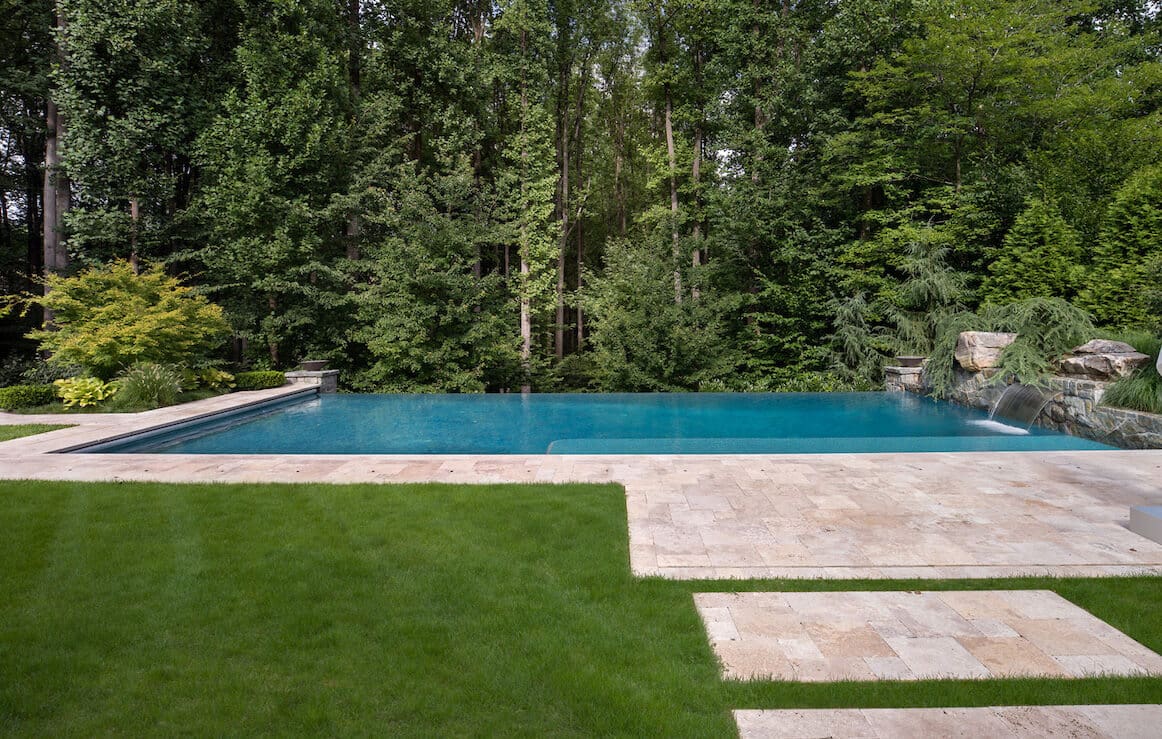
Many homeowners know they want a pool someday—but not yet. What often gets overlooked is how today’s landscape decisions can either support or complicate that future plan. Searches for designing a landscape with a future pool in mind usually come after homeowners realize they’ll need to undo patios, move plants, or rework drainage when the time comes.
Planning ahead protects your investment.
Why Pools and Landscapes Should Be Planned Together
Pools aren’t standalone features. They impact grading, drainage, access, and how the entire yard functions.
When landscapes aren’t pool-aware:
- Hardscaping gets torn out
- Plants are removed unnecessarily
- Costs increase dramatically
Designing ahead avoids starting over.
Drainage and Grading Are the Biggest Factors
Pools change how water moves across a yard. Ignoring this early leads to pooling and erosion later.
Future-pool drainage planning:
- Preserves yard stability
- Prevents water buildup
- Protects surrounding features
Water management must come first.
Hardscaping Placement Matters More Than You Think
Patios, walkways, and seating areas often need to connect to future pool spaces.
Smart placement:
- Aligns with future layouts
- Avoids rework
- Maintains flow
Structure should anticipate expansion.
Leaving the Right Open Space
Overdesigning the yard early can limit pool options later.
Planning ahead includes:
- Preserving open zones
- Avoiding permanent obstacles
- Keeping access points clear
Flexibility is intentional design.
Choosing Plants That Won’t Interfere Later
Some plants grow aggressively or don’t mix well with pool environments.
Pool-aware planting:
- Avoids heavy leaf drop
- Reduces debris
- Keeps sightlines clean
Plant choices affect pool usability.
Access for Construction Equipment
Pool installation requires access. Landscapes that block entry often suffer damage.
Access-friendly design:
- Prevents removal of features
- Reduces repair costs
- Protects finished areas
Temporary access planning saves money.
Electrical and Lighting Considerations
Outdoor lighting and utilities should align with future pool features.
Early planning allows:
- Seamless lighting integration
- Fewer trenching issues
- Cleaner final results
Infrastructure should be future-ready.
Creating a Natural Transition Space
Pools look best when they feel like part of the landscape—not added later.
Designing transitions:
- Improves visual flow
- Enhances comfort
- Creates a resort-like feel
Cohesion starts early.
Phased Projects Still Need a Master Vision
Even if a pool is years away, the landscape should follow a long-term plan.
Phased planning:
- Prevents conflicting upgrades
- Maintains consistency
- Protects future budgets
Vision guides every phase.
Why Professional Design Prevents Costly Redos
Professionals know where future conflicts happen—and how to avoid them.
Expert planning:
- Saves time and money
- Improves long-term usability
- Keeps options open
Planning ahead is always cheaper than fixing later.


.svg)