
.svg)

.svg)

Pruning Mistakes That Are Hurting Your Landscape
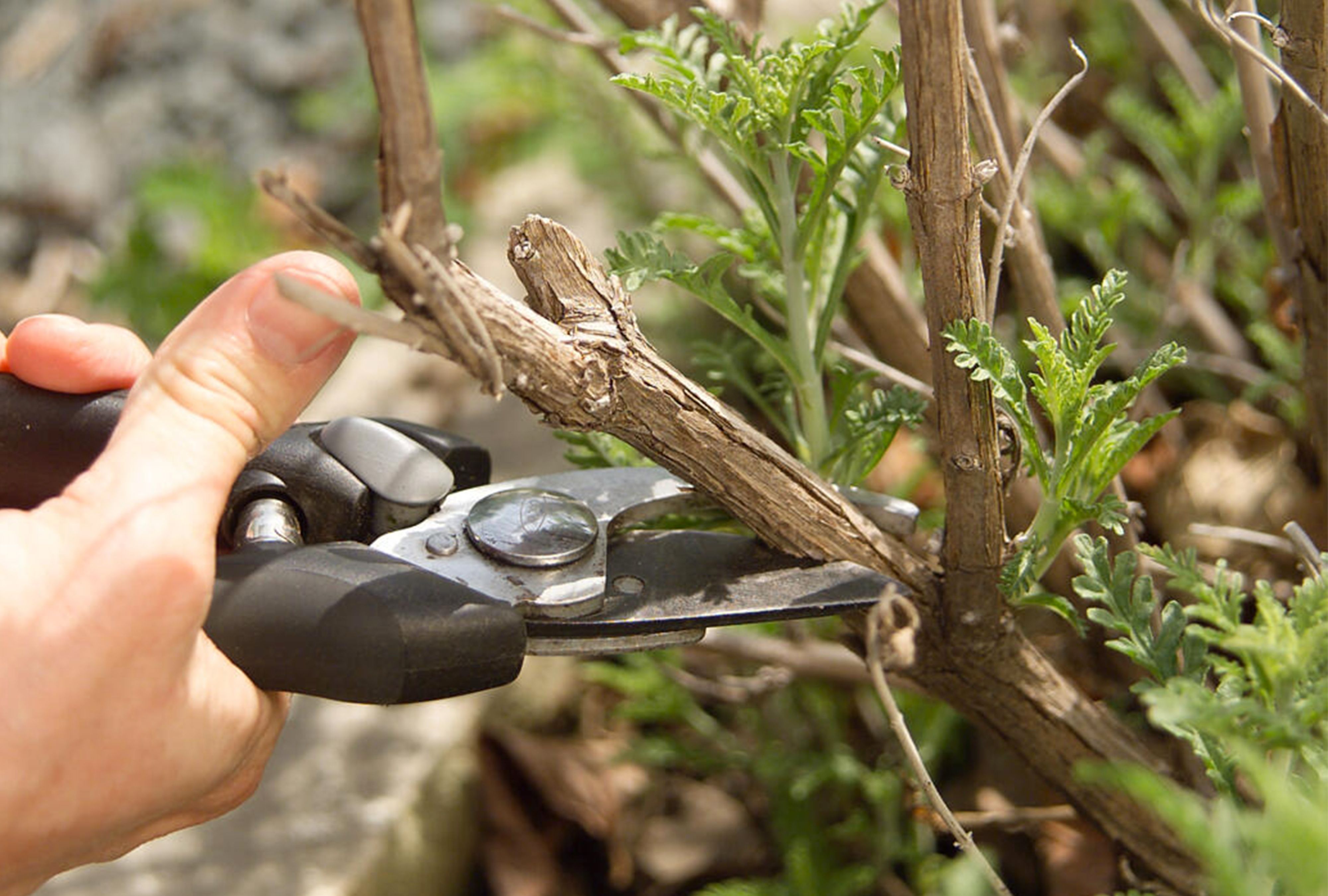
Pruning is one of the most misunderstood parts of landscape care. Many homeowners search for help after plants stop flowering, grow unevenly, or decline over time. Understanding common pruning mistakes can prevent long-term damage and dramatically improve how a landscape looks and performs.
Pruning should support plant health—not fight it.
Why Pruning Matters More Than You Think
Pruning affects how plants grow, bloom, and age. When done incorrectly, it can weaken plants instead of strengthening them.
Proper pruning:
- Encourages healthy growth
- Improves structure
- Extends plant lifespan
Incorrect pruning often creates ongoing problems.
Pruning at the Wrong Time of Year
Timing is one of the most common mistakes. Pruning at the wrong time can remove future blooms or stress the plant.
Timing mistakes include:
- Cutting flowering plants too early
- Pruning during active growth
- Ignoring seasonal cycles
Each plant has an ideal pruning window.
Over-Pruning Plants
More pruning does not mean better results. Over-pruning forces plants into survival mode and weakens growth.
Over-pruning can cause:
- Sparse foliage
- Reduced flowering
- Increased stress
Plants need balance, not constant cutting.
Shearing Instead of Selective Pruning
Shearing plants into shapes may look tidy short-term but harms natural growth patterns.
Shearing issues include:
- Dense outer growth
- Weak inner branches
- Reduced airflow
Selective pruning supports healthier structure.
Ignoring Mature Plant Size
Many pruning problems come from plants being placed in spaces too small for their mature size.
This leads to:
- Constant trimming
- Misshapen growth
- High maintenance
Proper plant selection reduces pruning needs.
Pruning for Shape Instead of Health
Focusing only on appearance can damage plant health. Structural integrity should always come first.
Healthy pruning:
- Removes damaged or crossing branches
- Improves airflow
- Supports natural form
Good health creates better appearance naturally.
Using Dull or Improper Tools
Tool quality matters. Dull tools tear plant tissue instead of making clean cuts.
Poor tools cause:
- Increased disease risk
- Slow healing
- Plant stress
Clean, sharp tools protect plants.
Skipping Pruning Until It’s a Problem
Waiting too long between pruning often leads to aggressive cutting later, which stresses plants.
Consistent care:
- Maintains shape naturally
- Reduces drastic cuts
- Improves long-term results
Regular pruning prevents emergencies.
Not Matching Pruning to Maintenance Goals
Some landscapes are pruned weekly, others seasonally. Without a maintenance strategy, pruning becomes inconsistent.
Planning helps:
- Reduce workload
- Maintain consistency
- Align with lifestyle
Pruning should match expectations.
Why Professional Pruning Makes a Difference
Professionals understand plant behavior, growth cycles, and structural health. This leads to better long-term results.
Professional pruning:
- Improves plant longevity
- Reduces maintenance issues
- Enhances overall appearance
Experience prevents costly mistakes.


.svg)