
.svg)

.svg)

Seasonal Landscaping Tips to Keep Your Yard Healthy Year-Round
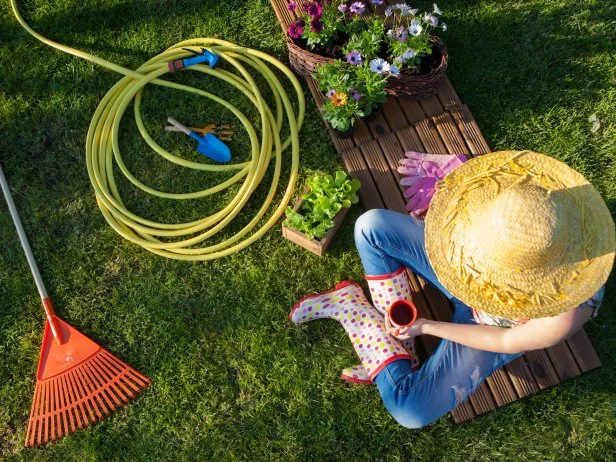
Landscapes change throughout the year, and each season brings different challenges for homeowners. Understanding seasonal landscaping tips helps prevent common issues like plant stress, poor growth, and unnecessary maintenance costs. With the right approach, homeowners can keep their outdoor spaces healthy, attractive, and functional year-round.
Seasonal care isn’t about doing more work—it’s about doing the right things at the right time.
Why Seasonal Landscaping Matters
Plants, lawns, and outdoor features respond differently depending on weather conditions and growth cycles. Seasonal landscaping focuses on supporting these natural changes instead of fighting them.
Proper seasonal care helps:
- Protect plant health
- Improve long-term growth
- Reduce maintenance issues
- Prevent costly damage
Landscapes that receive timely seasonal attention tend to perform better over time.
Spring Landscaping Tips
Spring is a time of growth and renewal. It’s the ideal season to prepare the landscape for the months ahead.
Spring landscaping priorities include:
- Cleaning up debris from winter
- Pruning damaged or dead growth
- Refreshing planting beds
- Checking irrigation systems
Early spring attention helps plants start strong and sets the tone for healthy growth.
Summer Landscaping Tips
Summer can be stressful for landscapes due to heat and water demands. The focus during summer should be on protecting plants and maintaining efficiency.
Helpful summer landscaping tips include:
- Monitoring watering schedules
- Avoiding overwatering
- Maintaining proper mowing height
- Watching for heat stress in plants
Smart irrigation and plant care are especially important during hotter months.
Fall Landscaping Tips
Fall is one of the most important seasons for landscape health. It’s a time to prepare plants and lawns for cooler temperatures while addressing any issues from summer.
Fall landscaping tasks often include:
- Pruning and trimming as needed
- Clearing fallen leaves
- Preparing planting beds
- Evaluating landscape performance
Fall care helps strengthen plants before colder conditions arrive.
Winter Landscaping Tips
While growth slows during winter, landscapes still benefit from attention. Winter is an ideal time to focus on planning and protection.
Winter landscaping considerations include:
- Monitoring plant health
- Protecting sensitive plants
- Minimizing foot traffic on lawns
- Planning future landscape improvements
Winter is also a great time to assess whether the landscape needs redesign or updates.
Adjusting Irrigation Throughout the Year
Irrigation needs change with the seasons. Watering schedules should be adjusted based on temperature, rainfall, and plant needs.
Seasonal irrigation adjustments help:
- Prevent overwatering
- Reduce water waste
- Support plant health
- Protect irrigation systems
Efficient irrigation planning is key to year-round landscape success.
Seasonal Maintenance Prevents Bigger Problems
Many landscaping issues develop slowly over time. Seasonal maintenance helps identify and address problems before they escalate.
Routine seasonal care prevents:
- Plant decline
- Soil erosion
- Drainage issues
- Overgrown planting areas
Staying ahead of issues reduces long-term costs and effort.
Why Professional Seasonal Care Makes a Difference
While homeowners can handle basic seasonal tasks, professional landscaping teams understand timing, plant behavior, and regional conditions. This expertise ensures care is both effective and efficient.
Professional seasonal care provides:
- Consistent results
- Proper plant treatment
- Smarter maintenance strategies
- Long-term landscape protection
Expert guidance helps landscapes perform at their best year after year.


.svg)