
.svg)

.svg)

Small Yard? How Smart Landscaping Makes It Feel Bigger
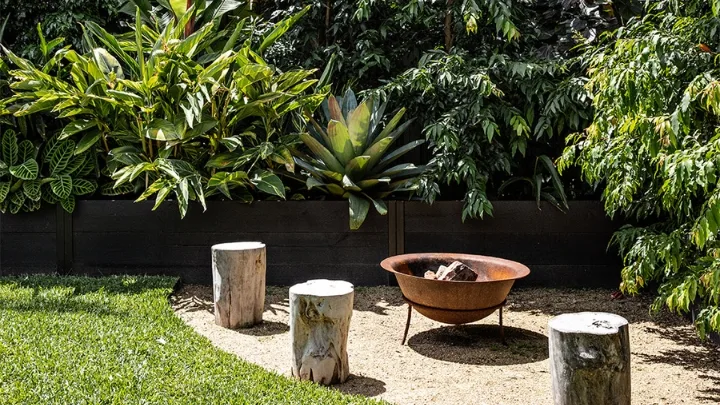
Small yards often feel limiting—but size isn’t the real issue. Many homeowners search for landscaping ideas to make a small yard feel bigger after realizing their outdoor space feels cramped or underused. With the right design approach, even compact yards can feel open, functional, and inviting.
Creating space is more about perception than square footage.
Why Small Yards Often Feel Smaller Than They Are
Small yards usually feel tight due to poor layout, cluttered planting, or lack of clear structure.
Common problems include:
- Too many features competing for space
- No defined focal point
- Overcrowded planting
Design mistakes exaggerate size limitations.
Start With a Clear Layout and Purpose
A small yard needs clarity. Every area should have a purpose.
Purpose-driven layouts:
- Reduce visual clutter
- Improve flow
- Make spaces feel intentional
When everything has a role, the yard feels larger.
Use Hardscaping to Create Clean Lines
Hardscaping helps organize space and reduce visual chaos.
Hardscape benefits include:
- Defined walkways
- Clear seating areas
- Reduced visual clutter
Clean lines expand perceived space.
Choose Fewer, Stronger Features
Trying to fit everything into a small yard often backfires. Fewer features make a bigger impact.
Focus on:
- One primary seating area
- One focal element
- Simple transitions
Simplicity creates openness.
Use Vertical Space Wisely
Vertical elements draw the eye upward, making spaces feel taller and more open.
Vertical strategies include:
- Pergolas or screens
- Trellises or climbing plants
- Upright plant forms
Height adds dimension without crowding.
Layer Planting Without Overcrowding
Layered planting adds depth, but spacing is critical in small yards.
Smart layering includes:
- Taller plants at the perimeter
- Mid-level shrubs for structure
- Low ground cover to keep openness
Depth increases perceived size.
Limit Lawn and Replace With Functional Space
Unused lawn often wastes space. Replacing it with functional areas increases usability.
Alternatives include:
- Patios
- Walkways
- Defined seating zones
Function beats filler every time.
Use Consistent Materials Throughout
Too many materials visually break up a space. Consistency helps unify the yard.
Consistent materials:
- Improve flow
- Reduce visual clutter
- Create cohesion
Unified design feels larger.
Lighting Expands Space After Dark
Lighting extends the yard visually at night, making it feel larger than its physical footprint.
Lighting benefits include:
- Highlighted boundaries
- Improved depth
- Increased usability
Light adds dimension.
Avoid Overplanting at the Center
Crowding the center of a small yard blocks sightlines and movement.
Better strategies:
- Keep the center open
- Push planting to edges
- Maintain clear views
Open sightlines create spaciousness.
Why Professional Design Makes Small Yards Work
Small yards leave little room for error. Professional design maximizes every square foot.
Expert planning:
- Eliminates wasted space
- Improves flow
- Enhances visual balance
Small spaces benefit most from smart design.


.svg)