
.svg)

.svg)
What to Know Before Starting a Hardscaping Project
Hardscaping plays a major role in how outdoor spaces function and look, but many homeowners begin projects without fully understanding what’s involved. Searching for hardscaping projects often starts after realizing patios, walkways, or retaining walls require more than simple installation. Proper planning is essential to achieving durable, attractive results.
Knowing what to consider before starting helps homeowners avoid costly mistakes and delays.
What Is Hardscaping?
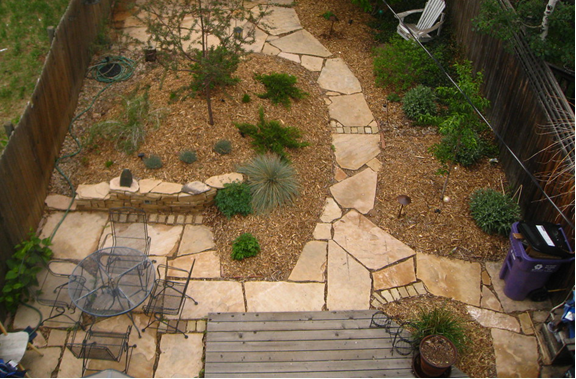
Hardscaping refers to the non-living elements of a landscape that provide structure and functionality. These features create usable spaces and help define how the yard is organized.
Common hardscaping features include:
- Patios
- Walkways
- Retaining walls
- Steps and borders
Hardscaping forms the foundation of many outdoor designs.
Why Planning Matters in Hardscaping
Hardscaping is permanent. Without proper planning, issues like poor drainage, uneven surfaces, or awkward layouts can be difficult and expensive to fix later.
Planning helps:
- Ensure proper placement
- Improve long-term durability
- Coordinate with landscaping
- Prevent rework
Design-first hardscaping leads to better outcomes.
Understanding How the Space Will Be Used
Before selecting materials or layouts, homeowners should think about how the hardscaped area will be used.
Considerations include:
- Foot traffic levels
- Furniture placement
- Entertaining needs
- Access points
Function should always drive design decisions.
Drainage Is Critical
Drainage is one of the most important aspects of any hardscaping project. Poor drainage can lead to shifting materials, erosion, and water pooling.
Proper drainage planning:
- Protects hardscape integrity
- Prevents standing water
- Supports nearby planting
Drainage should be addressed before installation begins.
Choosing the Right Materials
Material selection affects appearance, durability, and maintenance. Not all materials perform the same in outdoor environments.
Material considerations include:
- Climate suitability
- Slip resistance
- Long-term wear
- Visual compatibility with the home
Choosing appropriate materials protects the investment.
Integration With Landscaping
Hardscaping works best when integrated with planting and design elements. When planned separately, spaces can feel disjointed.
Integrated design ensures:
- Smooth transitions
- Balanced visuals
- Improved functionality
Hardscaping should complement the surrounding landscape.
Maintenance Expectations
While hardscaping generally requires less maintenance than planting, it’s not maintenance-free. Understanding upkeep needs helps homeowners plan realistically.
Maintenance may include:
- Occasional cleaning
- Joint or edge upkeep
- Monitoring for movement
Knowing expectations prevents surprises.
Phased Hardscaping Projects
Some homeowners choose to complete hardscaping in phases. This approach allows flexibility while maintaining design cohesion.
Phasing helps:
- Manage budgets
- Prioritize key areas
- Plan future upgrades
A master plan ensures each phase fits the overall vision.
Why Professional Design Makes a Difference
Hardscaping requires precision and experience. Professional design ensures correct grading, alignment, and integration with other landscape elements.
Expert planning helps:
- Avoid structural issues
- Improve longevity
- Enhance visual appeal
Professional guidance protects both function and appearance.


.svg)