
.svg)

.svg)
What Xeriscaping Really Looks Like (and Why It’s Not Just Rocks)
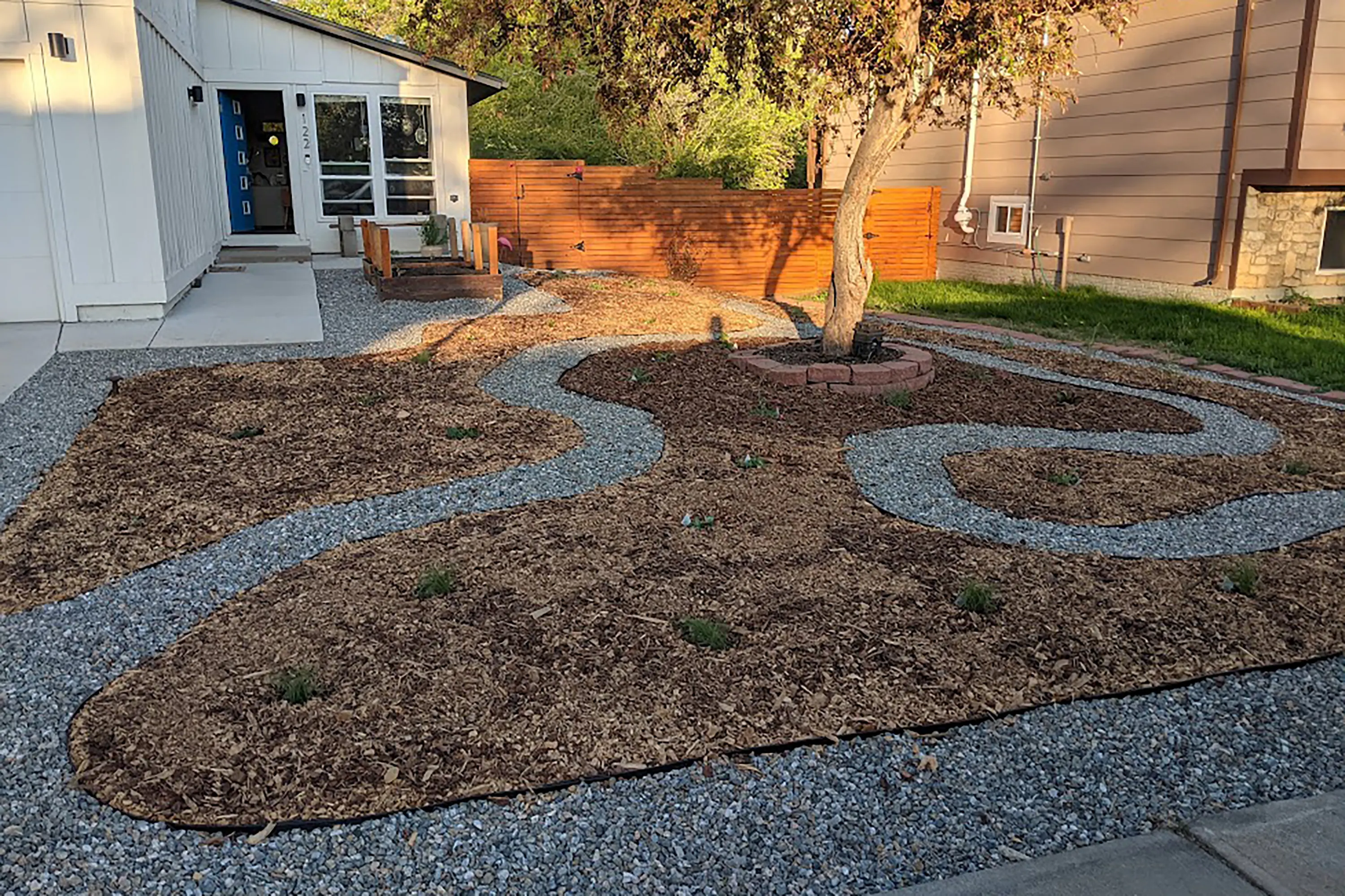
Xeriscaping often gets misunderstood. Many homeowners assume it means replacing their yard with gravel and a few scattered plants. Searches for what xeriscaping really is usually come from people who want to save water and reduce maintenance—but not at the cost of curb appeal. The reality is, modern xeriscaping is thoughtful, structured, and visually striking when designed correctly.
Xeriscaping is about efficiency, not emptiness.
What Xeriscaping Actually Means
Xeriscaping is a landscaping approach focused on reducing water use through smart design—not eliminating plants.
True xeriscaping includes:
- Climate-appropriate plants
- Efficient irrigation
- Mulch and soil preparation
- Thoughtful layout
It’s a system, not a shortcut.
Why Xeriscaping Has a Bad Reputation
Poorly designed xeriscapes often rely on too much rock and too little structure.
Bad xeriscaping results in:
- Excessive heat retention
- Harsh, unfinished visuals
- Minimal usability
Design—not the concept—is the problem.
Modern Xeriscaping Is Plant-Forward
Well-designed xeriscapes still include lush planting—just the right plants.
Plant-forward xeriscaping:
- Uses drought-tolerant species
- Groups plants by water needs
- Creates visual rhythm and depth
Plants still play the starring role.
Reducing Lawn Without Eliminating Greenery
Xeriscaping reduces unnecessary turf, not all green space.
Smart turf reduction:
- Keeps lawn where it’s used
- Replaces unused grass with planting or hardscaping
- Improves water efficiency
Intentional lawn use improves performance.
How Hardscaping Supports Xeriscape Design
Hardscaping adds structure and usability while reducing water demand.
Xeriscape-friendly hardscaping includes:
- Walkways and patios
- Seating areas
- Defined borders
Structure keeps the design polished.
Mulch Is More Important Than Most People Realize
Mulch plays a major role in moisture retention and soil health.
Proper mulching:
- Reduces evaporation
- Suppresses weeds
- Protects roots
Mulch supports both beauty and function.
Efficient Irrigation Is Still Part of Xeriscaping
Xeriscaping doesn’t mean no irrigation—it means better irrigation.
Efficient systems:
- Deliver water where needed
- Reduce waste
- Support plant health
Smart watering completes the system.
Designing Xeriscapes That Look Finished
The difference between a great xeriscape and a bad one is cohesion.
Finished xeriscapes include:
- Repetition of plants and materials
- Clean edges
- Balanced proportions
Design makes sustainability look intentional.
Xeriscaping Can Be Modern, Natural, or High-End
Xeriscaping adapts to many styles.
It works well for:
- Modern landscapes
- Naturalistic designs
- High-end, low-maintenance yards
Style isn’t sacrificed for efficiency.
Why Xeriscaping Requires Professional Planning
Poor xeriscape design often leads to overheating, drainage issues, or plant failure.
Professional planning:
- Balances plants and materials
- Prevents excessive rock use
- Creates long-term success
Xeriscaping should feel refined—not rushed.


.svg)