
.svg)

.svg)

Why Custom Carpentry Makes Outdoor Spaces Feel Finished
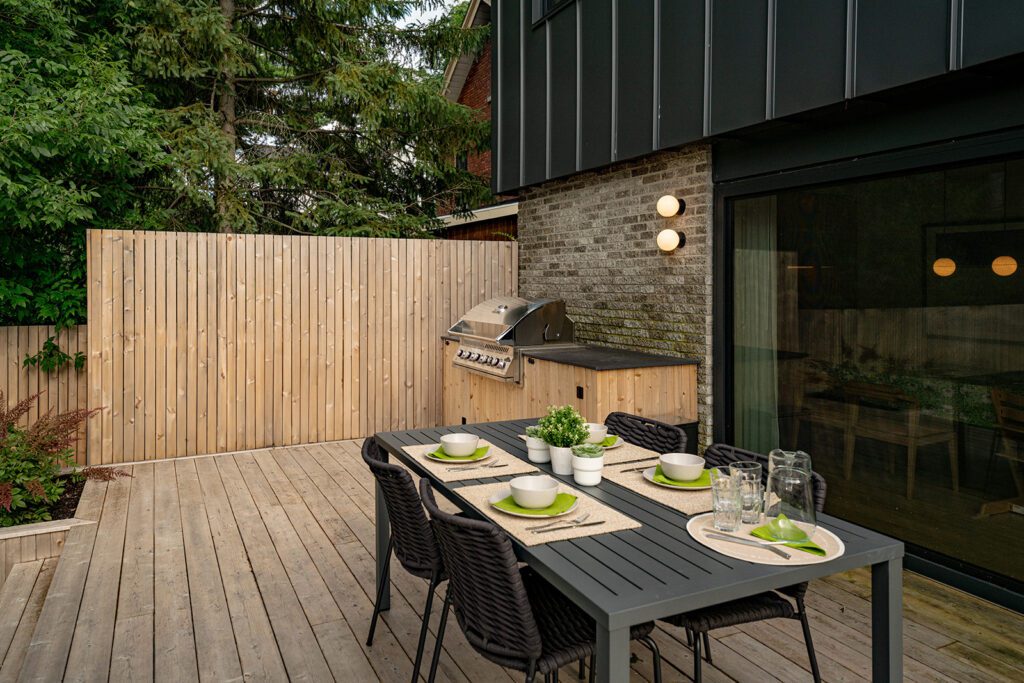
Many outdoor spaces look good on paper but still feel unfinished once completed. Homeowners often search for benefits of custom carpentry in landscaping after realizing plants and patios alone don’t always create a comfortable or functional environment. Custom carpentry fills that gap by adding structure, usability, and visual balance to outdoor spaces.
Well-designed carpentry turns a yard into a true extension of the home.
What Counts as Custom Outdoor Carpentry?
Custom outdoor carpentry includes structures that are designed specifically for a space, rather than added as generic, one-size-fits-all features.
Common carpentry elements include:
- Pergolas
- Decks
- Garden beds
- Privacy structures
Each piece is tailored to the layout, scale, and style of the landscape.
Why Landscapes Often Feel Incomplete Without Structure
Plants and hardscaping provide foundation, but carpentry creates definition and comfort.
Without structural elements, outdoor spaces may:
- Lack shade or cover
- Feel visually flat
- Offer limited functionality
Carpentry adds vertical interest and usability.
Creating Defined Outdoor Living Areas
Custom carpentry helps define how a space is meant to be used. A pergola or deck naturally signals where people should gather or relax.
Defined spaces:
- Improve flow
- Increase comfort
- Encourage regular use
Structure gives purpose to open areas.
Adding Shade and Comfort
One of the most practical benefits of custom carpentry is shade. Outdoor comfort drops quickly without protection from direct sun.
Shade-focused carpentry:
- Extends usable hours
- Reduces heat exposure
- Improves relaxation
Comfort drives how often a space is used.
Improving Visual Balance and Scale
Large yards can feel empty, while small yards can feel cluttered. Custom carpentry helps balance proportions.
Visual benefits include:
- Strong focal points
- Improved scale
- Better design cohesion
Structure anchors the landscape visually.
Enhancing Privacy Without Closing the Space In
Carpentry elements can add privacy while maintaining openness. Slatted or open designs allow airflow and light.
Privacy-focused carpentry:
- Screens unwanted views
- Maintains comfort
- Feels intentional
Privacy doesn’t have to feel restrictive.
Blending Carpentry With Landscaping
Custom carpentry works best when integrated with planting and hardscaping.
Integrated design:
- Softens hard edges
- Improves cohesion
- Enhances long-term appearance
Everything feels connected instead of added later.
Durability and Long-Term Performance
Custom-built carpentry is designed for outdoor exposure and long-term use.
Well-planned carpentry:
- Uses appropriate materials
- Accounts for weather conditions
- Requires less rework
Quality construction protects the investment.
Avoiding the “Afterthought” Look
Pre-made or poorly placed structures often feel disconnected from the rest of the yard.
Custom design:
- Matches scale and style
- Aligns with layout
- Feels intentional
The difference is immediately noticeable.
How Carpentry Supports Outdoor Lifestyle Goals
Outdoor spaces are meant to be lived in. Carpentry supports real-life use—dining, relaxing, gathering, and unwinding.
Lifestyle-driven carpentry:
- Encourages daily use
- Improves comfort
- Increases enjoyment
Use defines value.
Why Professional Carpentry Design Matters
Poorly designed carpentry can block views, disrupt flow, or overwhelm a space. Professional planning prevents these issues.
Expert design ensures:
- Proper placement
- Balanced proportions
- Long-term usability
Custom carpentry should feel natural, not forced.


.svg)