
.svg)

.svg)
Why Irrigation Planning Should Come Before Planting
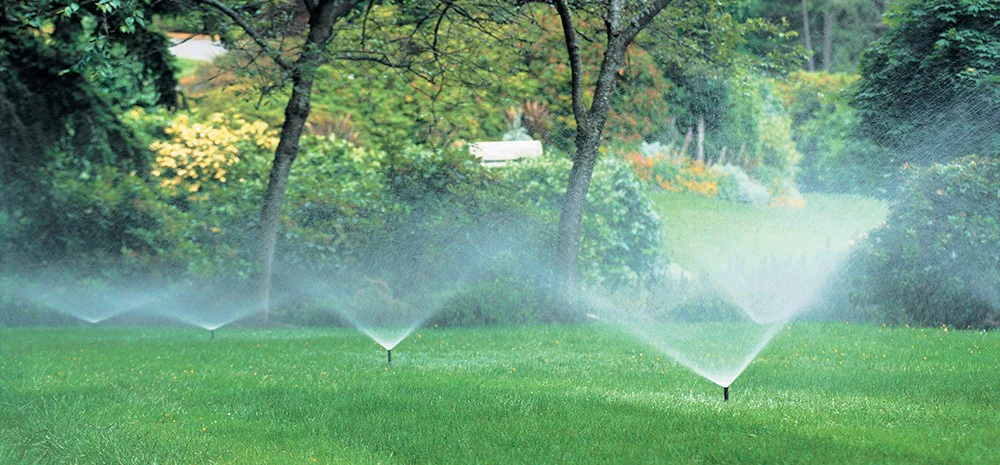
Many landscaping problems don’t show up until months after installation. Homeowners often search for answers after plants struggle, water pools, or irrigation systems need constant adjustment. Understanding why irrigation planning should come before planting is one of the most important lessons in long-term landscape success.
Water management isn’t an add-on—it’s a foundation.
Why Irrigation Is Often Overlooked
Planting is exciting and visual, so it often takes priority. Irrigation, on the other hand, happens underground and out of sight, which leads many homeowners to delay planning it.
This approach often causes:
- Overwatered plants
- Dry zones
- Uneven growth
- System inefficiencies
Water planning should guide planting—not follow it.
Different Plants Have Different Water Needs
Not all plants need the same amount of water. When irrigation is added after planting, zones often fail to match plant requirements.
Proper irrigation planning:
- Groups plants by water needs
- Prevents stress and disease
- Improves overall plant health
Matching water to plants is essential.
Preventing Overwatering and Waste
Overwatering is one of the most common landscape issues. Without a plan, irrigation systems often run longer than necessary.
Good irrigation design:
- Reduces runoff
- Protects soil health
- Lowers water bills
Efficiency starts with planning.
Supporting Healthy Root Development
Roots grow where water is delivered. Poor irrigation placement encourages shallow roots and unstable plants.
Planned irrigation:
- Promotes deeper root systems
- Improves drought tolerance
- Strengthens long-term plant health
Healthy roots equal resilient landscapes.
Avoiding Costly Rework
Installing irrigation after planting often means disturbing new plants, beds, and hardscaping.
Planning irrigation first:
- Prevents digging up finished areas
- Reduces labor costs
- Protects new installations
Early planning saves time and money.
Improving Coverage and Consistency
Even coverage is critical for consistent growth. Poor irrigation design often leaves dry spots or oversaturated areas.
Well-planned systems:
- Distribute water evenly
- Eliminate weak zones
- Improve visual consistency
Uniform watering supports uniform growth.
Integrating Irrigation With Landscape Layout
Irrigation works best when designed alongside layout, grading, and planting zones.
Integrated planning:
- Improves efficiency
- Simplifies maintenance
- Enhances long-term performance
Everything works together instead of competing.
Supporting Low-Maintenance Landscapes
Efficient irrigation reduces manual adjustments and ongoing monitoring.
Low-maintenance benefits include:
- Fewer seasonal changes
- Less troubleshooting
- More reliable performance
Smart planning leads to easier upkeep.
Adapting to Seasonal and Environmental Changes
Proper irrigation planning accounts for seasonal shifts and changing plant needs.
Thoughtful design:
- Adjusts to climate patterns
- Prevents water waste
- Supports long-term adaptability
Flexibility is built into the system.
Why Professional Irrigation Planning Matters
Irrigation involves pressure, coverage, zoning, and plant coordination. Without experience, systems often underperform.
Professional planning ensures:
- Accurate zoning
- Proper placement
- Reliable long-term results
Water systems should support the landscape—not limit it.


.svg)