
.svg)

.svg)

Why New Landscapes Fail Within the First Year (and How to Avoid It)
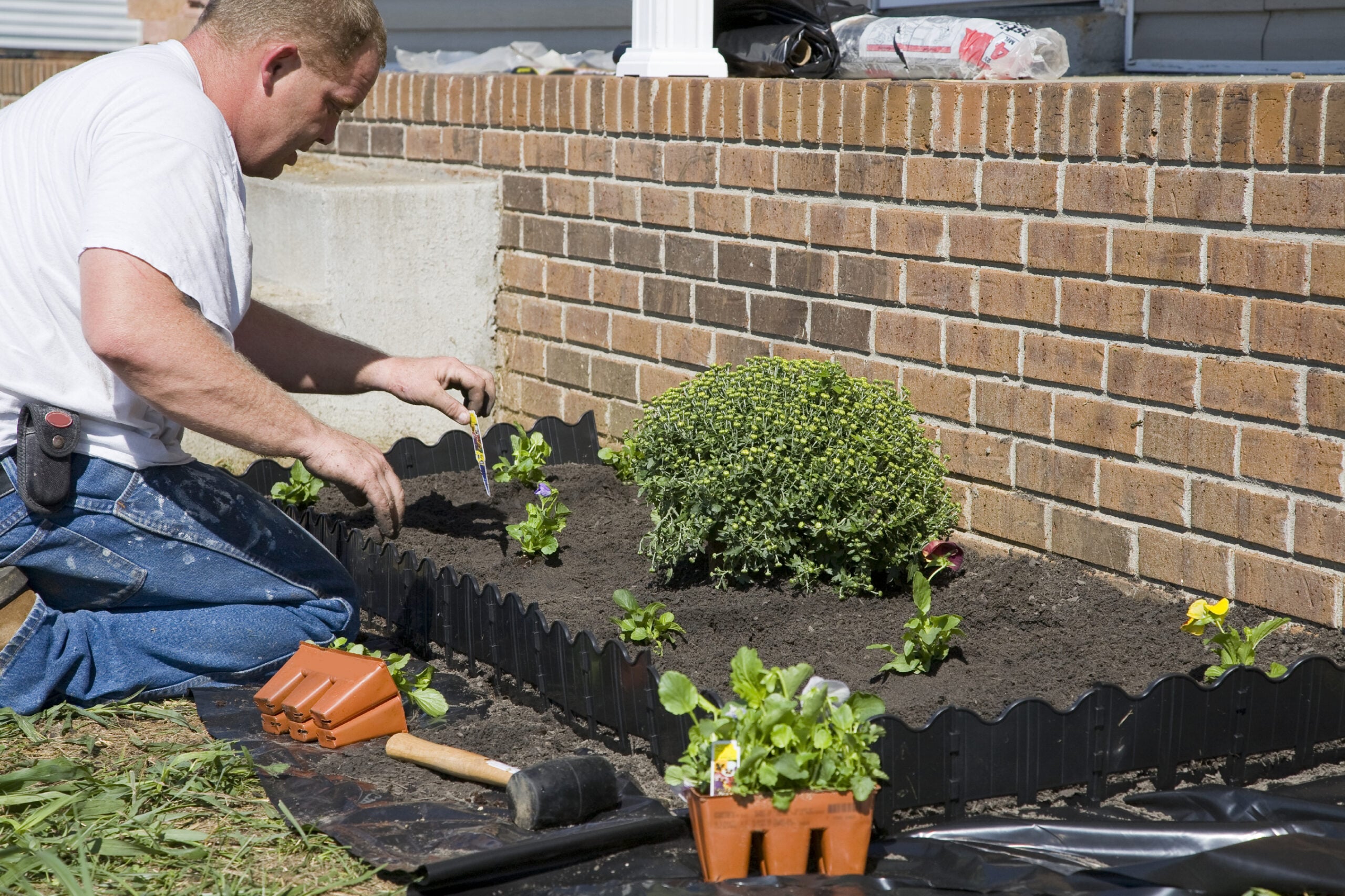
It’s one of the most frustrating experiences for homeowners: a brand-new landscape looks amazing at installation, then slowly starts declining within months. Searches for why new landscapes fail in the first year usually come from people who invested good money and still ended up disappointed. In most cases, failure isn’t caused by neglect—it’s caused by missing fundamentals during planning.
Early decisions determine long-term success.
Why the First Year Is the Most Critical
The first year is when plants establish roots, soil settles, and systems are tested.
During this period:
- Roots are vulnerable
- Soil conditions stabilize
- Irrigation patterns reveal flaws
Mistakes show up quickly.
Poor Plant Placement Is a Leading Cause
Plants often fail because they’re placed where they can’t thrive.
Common placement issues include:
- Too much or too little sun
- Inadequate spacing
- Exposure to heat or wind
Right plant, wrong place still fails.
Skipping Proper Soil Preparation
New landscapes often fail from below the surface.
Without soil prep:
- Roots struggle to expand
- Drainage remains poor
- Nutrients aren’t absorbed
Healthy soil supports everything else.
Overwatering After Installation
Many homeowners overwater in an attempt to “help” plants establish.
Overwatering causes:
- Root rot
- Weak root systems
- Increased disease risk
Establishment watering must be intentional.
Irrigation Systems Not Matched to Plant Needs
One-size-fits-all irrigation creates problems fast.
Common issues include:
- Turf and planting sharing zones
- Inconsistent coverage
- Incorrect timing
Irrigation should support plant types, not convenience.
Overplanting for Instant Results
Landscapes often look full at install but become crowded quickly.
Overplanting leads to:
- Poor airflow
- Competition for nutrients
- Increased maintenance
Space now prevents stress later.
Ignoring Drainage During Installation
Drainage problems rarely fix themselves.
Poor drainage causes:
- Plant suffocation
- Soil erosion
- Hardscape movement
Water must move correctly from day one.
Sun and Heat Exposure Misjudgment
New landscapes may look fine during mild weather.
Problems appear when:
- Summer heat intensifies
- Sun exposure shifts
- Plants face sustained stress
Climate reality matters more than first impressions.
Lack of a Maintenance Transition Plan
Installation and maintenance are not the same thing.
Without a transition plan:
- Plants receive incorrect care
- Timing gets missed
- Small problems escalate
Early care should be structured.
Why Cheap Installations Fail Faster
Lower-cost installs often skip critical steps.
Cut corners usually include:
- Minimal soil prep
- Low-quality materials
- Rushed planting
Upfront savings often disappear quickly.
How Design Prevents First-Year Failure
Strong design anticipates establishment challenges.
Good design:
- Matches plants to conditions
- Plans irrigation intentionally
- Accounts for growth and climate
Design reduces risk.
Why Professional Planning Makes Landscapes Last
Professionals plan for what happens after installation.
Expert planning:
- Improves survival rates
- Reduces replacements
- Protects investment
Successful landscapes are built for longevity.


.svg)