
.svg)

.svg)

Why Planning Your Landscape in Phases Makes Sense
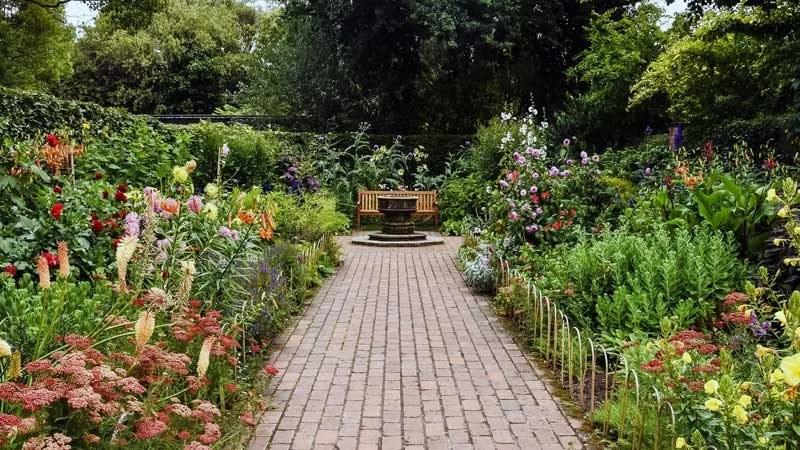
Many homeowners want to transform their outdoor space but feel overwhelmed by the scope, cost, or timing of a full landscape project. This is where phased landscape design becomes a smart and practical solution. Instead of completing everything at once, phased planning allows homeowners to upgrade their landscape strategically over time—without sacrificing quality or cohesion.
Phased landscaping isn’t about doing less. It’s about doing things in the right order.
What Is Phased Landscape Design?
Phased landscape design is a planning approach where the entire landscape is designed upfront, but installation is completed in stages. Each phase builds on the previous one, ensuring the final result feels cohesive rather than pieced together.
This approach allows homeowners to:
- Spread out costs
- Plan upgrades intentionally
- Avoid rushed decisions
- Maintain design consistency
With a clear master plan, every phase supports the long-term vision.
Why Homeowners Choose Phased Landscaping
Homeowners often search for phased landscaping when:
- Budget is a concern
- Timing needs to be flexible
- The property will evolve over time
- They want to avoid redoing work later
Phased design offers flexibility without compromising the final outcome.
Planning First Prevents Costly Rework
One of the biggest advantages of phased landscape design is avoiding rework. Without a master plan, homeowners may install features that later need to be removed or modified.
Upfront planning helps:
- Prevent layout conflicts
- Ensure proper spacing
- Coordinate irrigation and drainage
- Protect future upgrades
Designing everything first saves time and money in the long run.
Budget-Friendly Without Sacrificing Quality
Phased landscaping allows homeowners to prioritize essential elements first while planning future upgrades when timing is right.
Common first-phase priorities include:
- Grading and drainage
- Hardscaping foundations
- Irrigation systems
- Core planting areas
Later phases can focus on enhancements such as additional planting, features, or lighting.
Better Timing for Installation
Some landscaping elements are best installed at specific times of year. Phased design allows homeowners to align each phase with optimal conditions.
This flexibility helps:
- Improve plant establishment
- Reduce installation stress
- Avoid rushed timelines
Timing upgrades strategically improves long-term performance.
Maintaining a Cohesive Look Over Time
One of the biggest risks of phased upgrades is ending up with a mismatched design. A professional phased landscape plan ensures materials, styles, and layouts remain consistent throughout the process.
Consistency helps:
- Preserve visual flow
- Maintain curb appeal
- Protect long-term value
Even when completed over years, the landscape feels unified.
Phased Landscaping Supports Lifestyle Changes
Homeowner needs change over time. Phased design allows landscapes to adapt to new priorities such as entertaining, family needs, or maintenance preferences.
Design flexibility ensures:
- The landscape grows with the homeowner
- Future upgrades feel intentional
- Spaces remain functional
This adaptability makes phased landscaping especially appealing.
Professional Design Makes Phasing Successful
Phased landscaping only works when there’s a clear, professional plan. Without it, upgrades can feel disconnected or inefficient.
Professional design ensures:
- Proper sequencing of phases
- Long-term functionality
- Design cohesion
- Smarter investment decisions
Expert planning turns phased landscaping into a strategic advantage.
Is Phased Landscape Design Right for You?
Phased design is ideal for homeowners who want:
- A clear long-term vision
- Budget flexibility
- Thoughtful, intentional upgrades
- A landscape that evolves smoothly
A consultation helps determine whether phased planning aligns with your goals.


.svg)