
.svg)

.svg)
Why Proper Landscape Drainage Matters for Your Yard
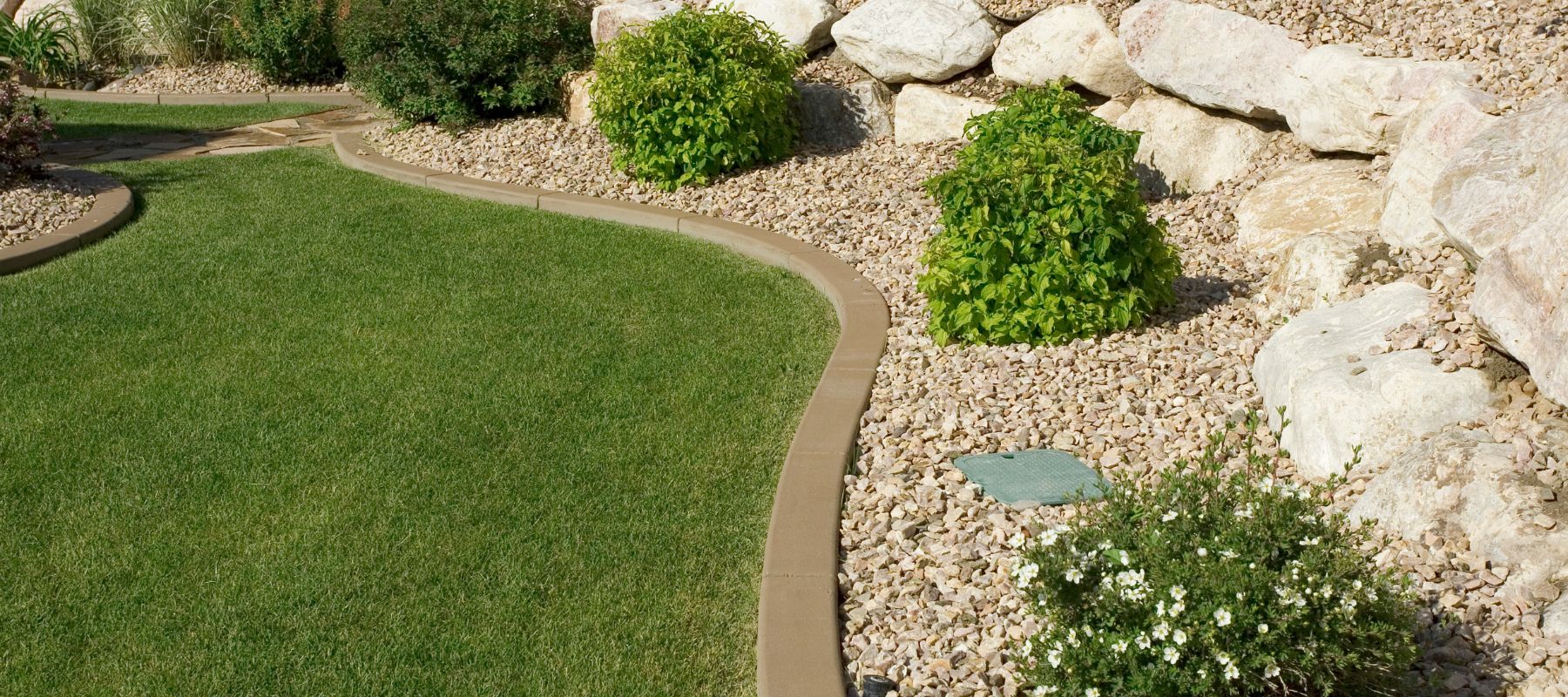
Many homeowners focus on plants and aesthetics when planning their landscape, but overlook one of the most important elements: proper drainage. Without effective drainage, even the most beautiful landscape can quickly develop problems like standing water, erosion, and plant failure.
Landscape drainage isn’t just a technical detail—it’s a foundation for long-term landscape health and performance.
What Is Landscape Drainage?
Landscape drainage refers to how water moves across and through your property. Proper drainage ensures water is directed away from structures and planting areas instead of pooling where it can cause damage.
Effective drainage design considers:
- Property slope and grading
- Soil conditions
- Rainfall patterns
- Placement of plants and hardscaping
When water is managed correctly, the entire landscape performs better.
Why Homeowners Search for Drainage Solutions
Homeowners often start researching drainage solutions after noticing:
- Standing water in the yard
- Soggy or muddy areas
- Dying or stressed plants
- Soil erosion
- Water pooling near the home
These issues are signs that drainage isn’t functioning properly and needs attention.
How Poor Drainage Affects Plant Health
Excess water can be just as damaging as not enough water. When soil stays saturated, plant roots struggle to access oxygen, leading to stress or failure.
Poor drainage can cause:
- Root rot
- Plant decline
- Increased disease risk
- Inconsistent growth
Healthy landscapes rely on soil that drains properly while still retaining necessary moisture.
Erosion and Landscape Damage
Without proper drainage, water can wash away soil, mulch, and even hardscaping materials. Erosion not only damages the appearance of a yard but can also expose roots and destabilize structures.
Proper drainage helps:
- Prevent soil loss
- Protect planting beds
- Preserve hardscaping
- Maintain landscape structure
Managing water flow protects the entire outdoor space.
Drainage and Hardscaping Go Hand in Hand
Hardscaping elements like patios, walkways, and retaining walls must be designed with drainage in mind. Without proper water management, these features can shift, crack, or become unsafe.
Professional planning ensures:
- Water is directed away from hardscaping
- Surfaces remain stable
- Transitions between areas stay intact
Drainage is essential for hardscape longevity.
Drainage Improves Usability
Standing water and muddy areas make outdoor spaces difficult to use. Proper drainage improves functionality by keeping surfaces dry and accessible.
Well-drained landscapes:
- Are easier to walk through
- Stay cleaner after rain
- Support everyday use
- Reduce maintenance frustration
This makes the yard more enjoyable year-round.
Integrating Drainage Into Landscape Design
Drainage works best when addressed during the design phase. Integrating drainage early allows water management solutions to blend seamlessly into the landscape.
Design-integrated drainage:
- Looks natural
- Functions efficiently
- Prevents future rework
- Supports long-term landscape health
Addressing drainage after installation is often more costly and disruptive.
Low-Maintenance Benefits of Proper Drainage
Effective drainage reduces long-term maintenance by preventing recurring issues. When water flows correctly, landscapes require fewer repairs and replacements.
Good drainage helps:
- Reduce plant loss
- Minimize erosion
- Protect soil health
- Extend landscape lifespan
This makes drainage a smart investment for homeowners.
Professional Drainage Planning Makes the Difference
Drainage issues are often complex and require expert evaluation. Professional planning ensures water is managed correctly without compromising design or usability.
Expert insight helps identify underlying problems and implement solutions that last.


.svg)