
.svg)

.svg)

Why Raised Garden Beds Are a Smart Landscaping Upgrade
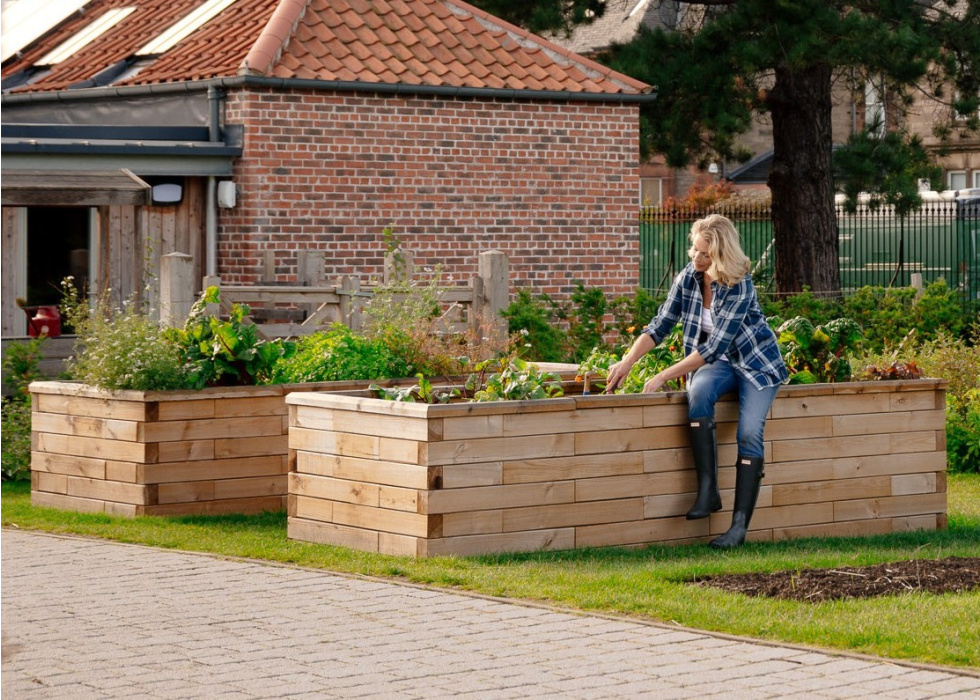
Raised garden beds have become increasingly popular among homeowners who want healthier plants, cleaner layouts, and easier maintenance. Many people begin searching for raised garden beds after struggling with poor soil, drainage issues, or hard-to-manage planting areas. When designed correctly, raised beds improve both the look and performance of a landscape.
They’re more than a gardening trend—they’re a functional design solution.
What Are Raised Garden Beds?
Raised garden beds are elevated planting areas built above ground level, typically framed with wood, metal, or masonry. They allow soil conditions, drainage, and layout to be carefully controlled.
Raised beds are commonly used for:
- Decorative planting
- Vegetable or herb gardens
- Defined garden borders
- Low-maintenance landscapes
They bring structure and organization to outdoor spaces.
Why Homeowners Choose Raised Garden Beds
Many homeowners turn to raised garden beds when traditional planting areas aren’t performing well. Poor soil quality, erosion, or uneven ground often make in-ground planting difficult.
Raised beds help solve:
- Compacted or poor soil
- Drainage problems
- Overgrown or messy beds
- Hard-to-maintain garden areas
They provide a clean, controlled planting environment.
Improved Drainage and Soil Control
One of the biggest benefits of raised garden beds is improved drainage. Because they sit above ground, excess water drains more effectively, reducing the risk of root rot and plant stress.
Soil control benefits include:
- Custom soil blends
- Better moisture balance
- Healthier root systems
This leads to stronger, more consistent plant growth.
Healthier Plants and Better Growth
Plants in raised garden beds often grow better because conditions are optimized from the start. The soil is looser, roots can spread more easily, and nutrients are easier to manage.
Healthier growth results in:
- Stronger plants
- Better yields
- Fewer disease issues
This makes raised beds ideal for both ornamental and edible plants.
Cleaner, More Organized Landscapes
Raised beds add clean lines and structure to a landscape. Instead of plants spilling into walkways or lawns, beds stay contained and visually organized.
Design benefits include:
- Defined garden spaces
- Improved curb appeal
- Better separation of planting areas
They help landscapes feel intentional rather than overgrown.
Easier Maintenance and Accessibility
Raised garden beds reduce the need for bending and kneeling, making them easier to maintain. This is especially beneficial for homeowners who want a comfortable gardening experience.
Maintenance advantages include:
- Easier access for planting and pruning
- Reduced weed spread
- Cleaner edges
Less effort leads to more consistent care.
Custom Design Options
Raised garden beds can be customized to match the style of the landscape. Materials, heights, and layouts can all be tailored to fit the space.
Custom options allow:
- Seamless integration with landscaping
- Matching materials with hardscaping
- Flexible sizing and placement
This customization improves both function and appearance.
Raised Beds as a Design Feature
Beyond function, raised beds act as visual features within the landscape. They can frame patios, define walkways, or create focal points.
Design integration helps:
- Add depth and dimension
- Guide movement through the yard
- Balance planting with hardscaping
They elevate the overall design.
Supporting Low-Maintenance Landscaping
Raised garden beds align well with low-maintenance landscape goals. Controlled planting areas reduce spread, erosion, and plant loss.
Low-maintenance benefits include:
- Better soil stability
- Reduced replacement needs
- Easier seasonal upkeep
They support long-term landscape performance.
Why Professional Installation Matters
Proper construction is essential for raised garden beds to perform well. Poorly built beds can warp, drain poorly, or fail over time.
Professional planning ensures:
- Proper drainage
- Durable materials
- Correct placement
Expert installation protects both plants and design integrity.


.svg)