
.svg)

.svg)

Why Walkways Matter More Than You Think in Landscape Design
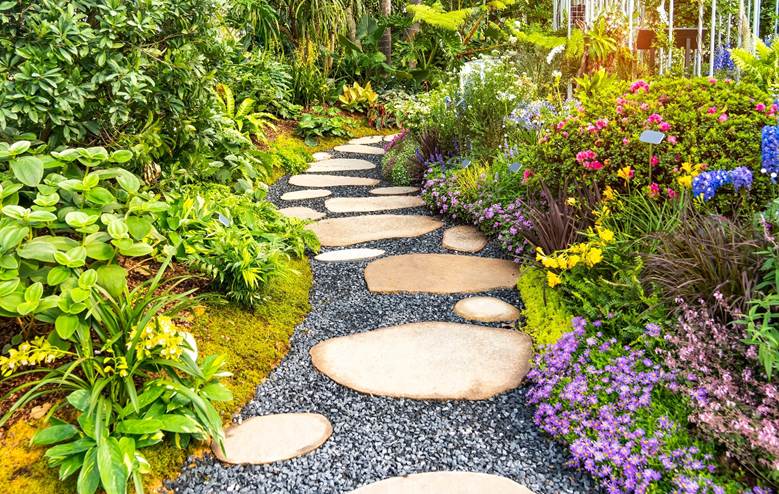
Many homeowners focus on plants and patios when planning their landscape, but overlook one of the most important elements: walkways. Searches for why walkways matter in landscape design usually come from people who feel like their yard looks fine—but doesn’t function well. Movement feels awkward, paths wear into the lawn, and certain areas go unused.
Good walkways quietly make everything work better.
Why Yards Without Walkways Feel Disconnected
When walkways aren’t planned, people create their own paths. This leads to worn grass, muddy areas, and confusing flow.
Missing or poorly planned walkways cause:
- Trampled lawn areas
- Awkward movement patterns
- Safety concerns
Movement should be guided, not improvised.
Walkways Control How a Space Is Used
Walkways don’t just connect areas—they influence behavior.
Properly designed walkways:
- Direct foot traffic
- Protect planting beds
- Encourage use of the entire yard
Where people walk determines how spaces feel.
Safety Is One of the Biggest Benefits
Uneven ground, slopes, and poorly lit paths create hazards.
Well-designed walkways:
- Reduce trip risks
- Provide stable footing
- Improve nighttime visibility
Safety should be built into the layout.
Improving Flow Between Outdoor Spaces
Outdoor areas should feel connected, not isolated.
Walkways improve flow by:
- Linking patios and seating areas
- Connecting entrances
- Creating intuitive transitions
Flow makes a yard feel larger and more intentional.
Preventing Damage to Lawn and Planting
Repeated foot traffic damages grass and compacts soil.
Walkways help:
- Preserve lawn health
- Protect plant roots
- Reduce erosion
Design protects what you invest in.
Walkways as a Design Feature, Not Just a Path
Walkways contribute to the visual structure of the landscape.
Design benefits include:
- Clean lines
- Defined zones
- Strong visual rhythm
Paths add order and polish.
Choosing the Right Walkway Material
Material choice affects durability, maintenance, and comfort.
Common considerations:
- Slip resistance
- Weather exposure
- Consistency with other hardscaping
Materials should match both function and style.
Width and Placement Matter More Than People Realize
Narrow or poorly placed paths feel uncomfortable and get ignored.
Effective walkways:
- Allow comfortable movement
- Follow natural routes
- Avoid sharp or awkward turns
Design should follow how people actually move.
Front Yard Walkways and First Impressions
The path to the front door shapes how the home feels.
Strong entry walkways:
- Improve curb appeal
- Enhance safety
- Create a welcoming experience
First impressions start at ground level.
Backyard Walkways Improve Usability
Backyards without paths often feel incomplete.
Backyard walkways:
- Connect zones
- Improve accessibility
- Encourage full use of the space
Access increases enjoyment.
Lighting and Walkways Go Hand in Hand
Walkways should remain usable after dark.
Lighting along paths:
- Improves visibility
- Enhances ambiance
- Reinforces layout
Light extends usability.
Why Walkways Should Be Designed Early
Adding walkways after everything else often leads to compromises.
Early planning:
- Prevents rework
- Improves flow
- Protects other features
Walkways are foundational—not decorative.
Why Professional Planning Makes Walkways Work
Professionals understand grade, drainage, and movement patterns.
Expert design:
- Avoids awkward layouts
- Improves long-term durability
- Creates seamless integration
Walkways should feel natural, not forced.


.svg)