
.svg)

.svg)

Why Weeds Keep Coming Back (and What Actually Stops Them)
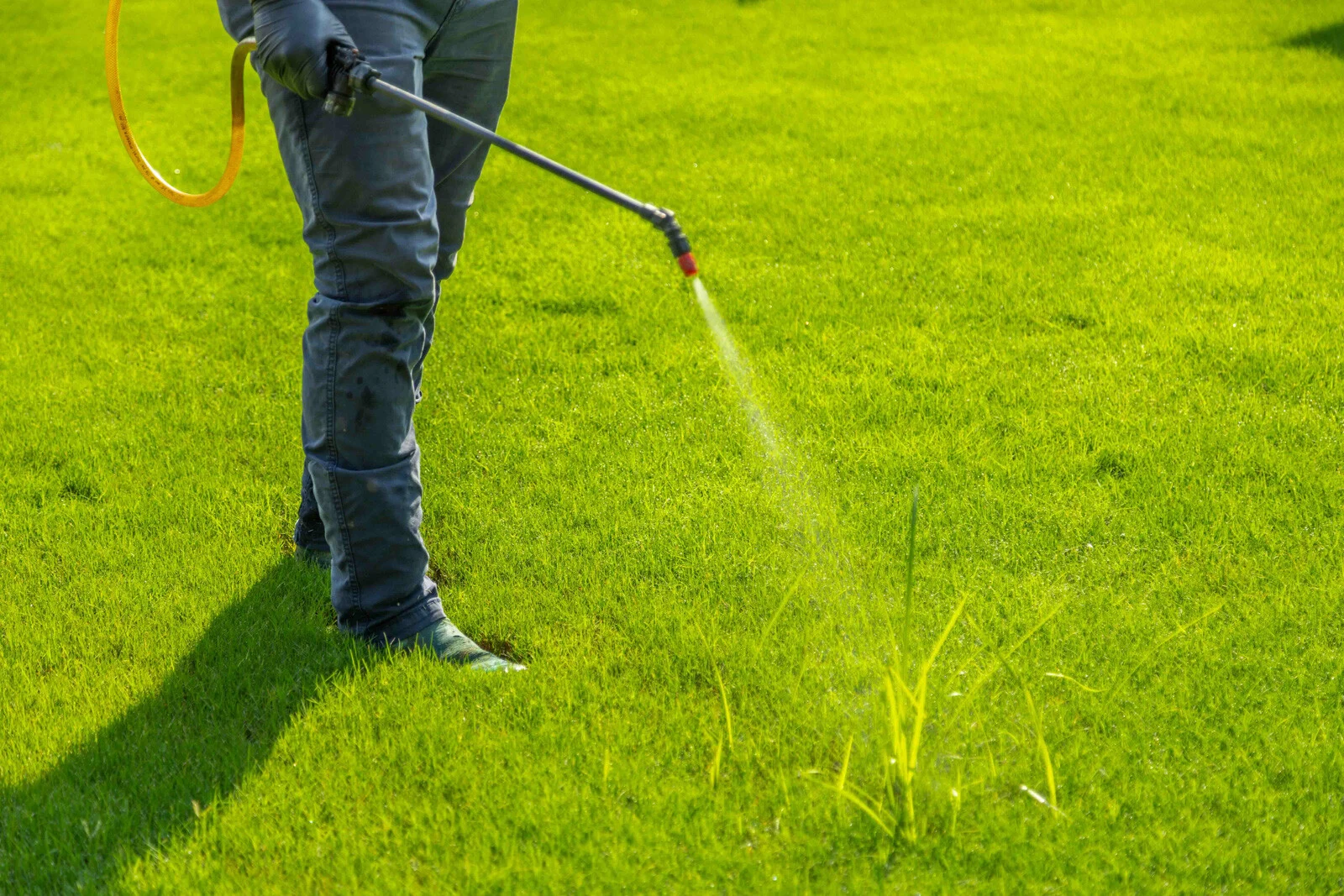
Few things are more frustrating than pulling weeds—only to see them return days later. Homeowners searching for why weeds keep coming back are often putting in the effort but not seeing lasting results. The truth is, weeds aren’t just a surface problem. They’re a sign that underlying conditions are allowing them to thrive.
If you don’t fix the cause, weeds will always win.
Why Weeds Are So Persistent
Weeds are opportunistic by nature.
They thrive in:
- Disturbed soil
- Bare or open areas
- Weak or stressed landscapes
If space is available, weeds will fill it.
Bare Soil Is an Open Invitation
One of the biggest causes of weeds is exposed soil.
Bare areas:
- Allow weed seeds to settle easily
- Lack competition from other plants
- Warm up quickly, encouraging growth
Covered soil is protected soil.
Why Mulch Alone Isn’t a Permanent Fix
Mulch helps—but only when used correctly.
Common mulch issues include:
- Too thin to block sunlight
- Breaking down over time
- Allowing weeds to root through it
Mulch slows weeds, but doesn’t eliminate them.
Weak Planting Leaves Room for Weeds
Sparse planting creates gaps weeds can exploit.
When plants are:
- Too far apart
- Slow to spread
- Not suited to the environment
Weeds take over the open space.
Soil Health Plays a Bigger Role Than You Think
Poor soil conditions favor weeds over desirable plants.
Unhealthy soil:
- Weakens plant growth
- Encourages invasive species
- Holds weed seeds easily
Healthy soil supports strong competition.
Why Pulling Weeds Isn’t Enough
Removing visible weeds doesn’t solve the root problem.
Weed removal alone:
- Leaves seeds behind
- Disturbs soil further
- Encourages new growth
It’s a temporary fix.
Edges and Borders Matter More Than Expected
Undefined edges allow weeds to spread from one area to another.
Poor edging leads to:
- Grass invading beds
- Weeds creeping in from lawns
- Constant maintenance
Clean edges help contain the problem.
Watering Habits Can Encourage Weeds
Irrigation doesn’t just feed your plants—it feeds everything.
Overwatering:
- Promotes weed growth
- Weakens desired plants
- Creates ideal conditions for spread
Watering should be targeted, not excessive.
Landscape Fabric Isn’t Always the Answer
Many homeowners turn to landscape fabric for control.
But over time, fabric:
- Breaks down
- Allows weeds to grow on top
- Becomes difficult to maintain
It can create more problems than it solves.
Why Consistent Coverage Is Key
The best weed prevention is competition.
Effective coverage includes:
- Dense planting
- Ground covers
- Proper mulching
Weeds struggle where space is limited.
How Design Reduces Weed Growth Long-Term
Weed control is built into the design—not added later.
Smart design:
- Eliminates bare soil
- Uses appropriate plant spacing
- Defines clear boundaries
Design prevents problems before they start.
Why Quick Fixes Always Fail
Sprays and short-term solutions don’t address root causes.
They may:
- Kill visible weeds
- Provide temporary relief
- Require constant reapplication
Long-term control requires strategy.
Why Professional Planning Makes Weed Control Easier
Professionals design landscapes to reduce weed pressure naturally.
Expert planning:
- Improves soil conditions
- Selects competitive plants
- Minimizes maintenance zones
The goal isn’t zero weeds—it’s control.


.svg)