
.svg)

.svg)

Why Your Front Yard Is Being Underused (and How to Fix It)
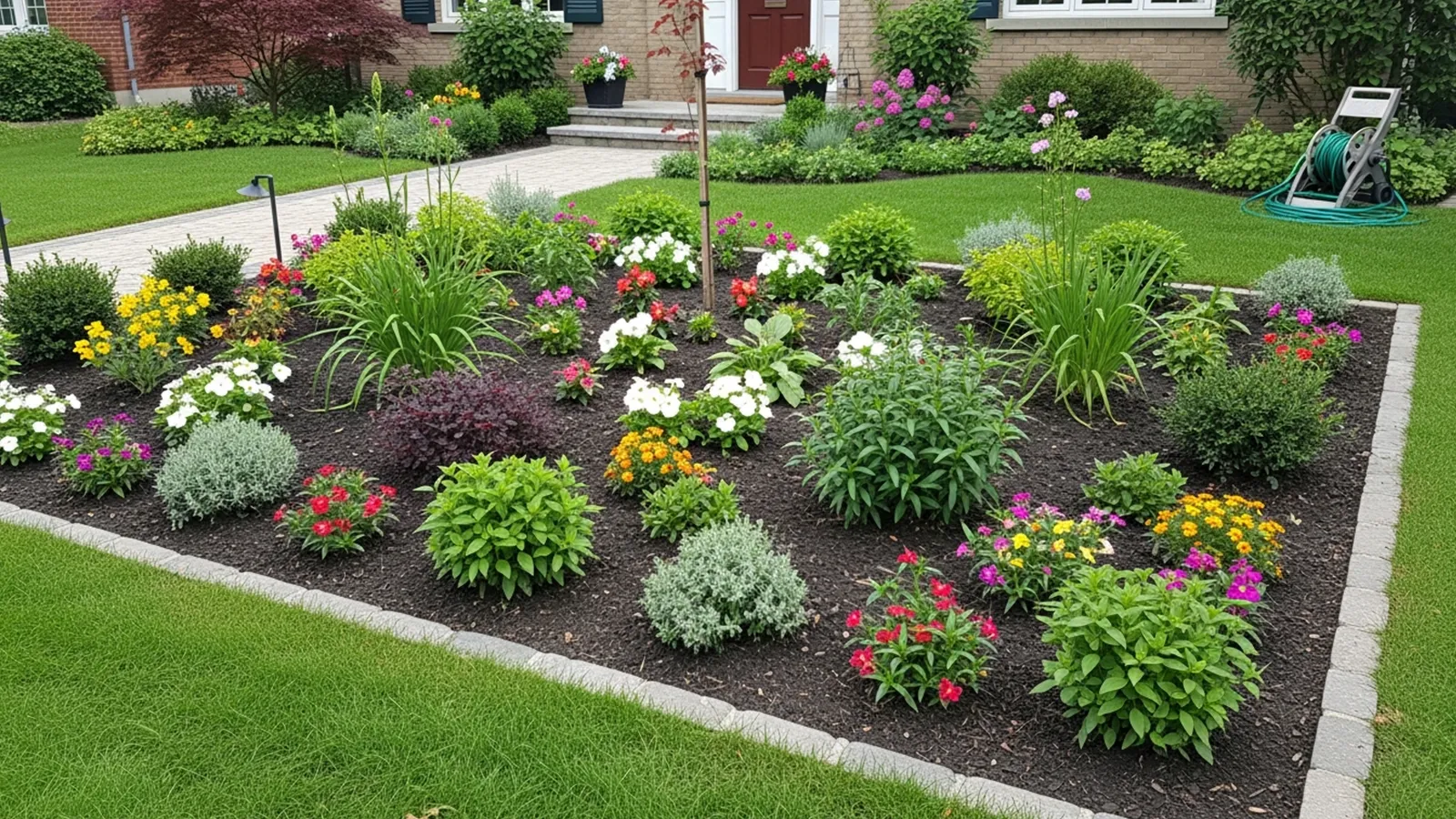
Most homeowners think of the front yard as something to look at—not something to use. But searches for how to make your front yard more functional usually come from people who realize that a large portion of their property isn’t working for them. With thoughtful design, front yards can offer seating, visual balance, and practical use without sacrificing curb appeal.
A functional front yard adds value you experience every day.
Why Front Yards Often Go Unused
Many front yards are designed only for appearance, not usability.
Common issues include:
- Large, unused lawn areas
- No seating or defined space
- Poor access or flow
Without purpose, space gets ignored.
Function and Curb Appeal Can Work Together
A functional front yard doesn’t mean cluttered or busy. When designed correctly, usability enhances curb appeal.
Functional upgrades:
- Create visual interest
- Add structure
- Improve flow
Use and beauty aren’t opposites.
Defining Purpose Before Adding Features
Before adding elements, decide what role the front yard should play.
Popular front yard uses include:
- Seating or relaxation areas
- Defined entry experience
- Visual framing of the home
Purpose drives design decisions.
Reducing Excess Lawn for Practical Space
Large front lawns often serve no purpose other than maintenance.
Replacing unused turf with:
- Walkways
- Planting beds
- Defined seating zones
Improves both function and appearance.
Using Hardscaping to Create Structure
Hardscaping gives the front yard shape and direction.
Useful hardscape features include:
- Entry walkways
- Small patios or seating pads
- Borders and steps
Structure makes space usable.
Creating a Welcoming Entry Experience
The path to the front door sets the tone for the entire home.
A strong entry design:
- Guides movement naturally
- Enhances safety
- Feels intentional
Flow matters as much as looks.
Incorporating Seating Without Blocking Views
Front yard seating can feel awkward if placed poorly. Placement and scale are key.
Well-designed seating:
- Feels private but open
- Maintains sightlines
- Encourages everyday use
Comfort encourages use.
Using Planting to Frame, Not Hide
Plants should enhance architecture, not obscure it.
Front yard planting works best when it:
- Frames the home
- Maintains clear views
- Adds seasonal interest
Balance keeps things polished.
Lighting That Improves Safety and Usability
Lighting extends functionality into the evening while improving safety.
Front yard lighting benefits:
- Illuminates walkways
- Enhances curb appeal
- Improves visibility
Lighting completes the space.
Avoiding Overdesign in the Front Yard
Too many features can overwhelm the space and distract from the home.
Successful front yards focus on:
- Clean lines
- Fewer, intentional elements
- Clear hierarchy
Restraint creates sophistication.
Why Professional Design Makes Front Yards Work
Front yards are highly visible and leave little room for error.
Professional planning:
- Balances use and appearance
- Improves proportion
- Protects long-term value
Design ensures function feels natural.


.svg)