
.svg)

.svg)
Why Your Irrigation System Isn’t Saving Water (and How to Fix It)
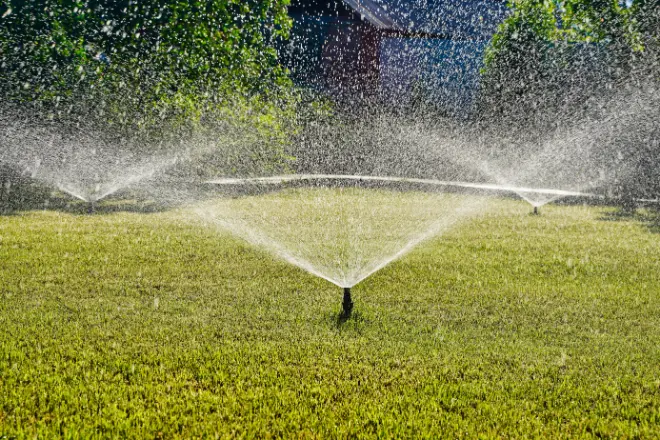
Many homeowners install irrigation systems expecting lower water bills and healthier landscapes—only to see the opposite happen. Searches for why irrigation systems waste water usually come from people dealing with soggy areas, dry patches, or rising utility costs. In most cases, the issue isn’t the system itself—it’s how it was designed and set up.
Efficient irrigation is about precision, not volume.
Why Irrigation Systems Often Underperform
Irrigation systems are frequently installed as one-size-fits-all solutions.
Common issues include:
- Poor zone separation
- Inconsistent coverage
- Incorrect scheduling
Without customization, even modern systems fail.
Mixing Different Plant Types in One Zone
Plants don’t all need the same amount of water.
Problems occur when:
- Turf and planting beds share zones
- Shade and sun areas are watered equally
- Mature and young plants receive the same schedule
Different needs require different zones.
Overwatering Is More Common Than Underwatering
Most irrigation problems stem from excess water.
Overwatering leads to:
- Shallow root systems
- Increased disease
- Water runoff and waste
More water doesn’t mean better results.
Why Spray Coverage Misses the Target
Many systems lose water before it reaches plants.
Coverage issues include:
- Overspray onto hardscaping
- Uneven distribution
- Wind interference
Water should reach roots—not sidewalks.
Ignoring Seasonal Adjustments
Irrigation needs change throughout the year.
Without seasonal changes:
- Water is wasted in cooler months
- Plants suffer in peak heat
- Bills rise unnecessarily
Static schedules don’t work year-round.
Soil Type Affects Water Absorption
Water behaves differently depending on soil conditions.
Poor soil causes:
- Runoff before absorption
- Water pooling
- Root suffocation
Irrigation must work with soil—not against it.
Why Short, Frequent Watering Fails
Quick watering cycles don’t allow deep absorption.
Shallow watering:
- Encourages surface roots
- Increases evaporation
- Weakens plant resilience
Deep watering builds stronger landscapes.
Plant Placement Impacts Irrigation Efficiency
Even the best irrigation system can’t fix poor plant placement.
Issues include:
- Plants exposed to excessive heat
- Mismatched water needs
- Improper spacing
Design and irrigation must align.
Hardscaping Can Redirect Water Unintentionally
Hard surfaces change how water flows.
Poorly planned hardscaping:
- Pushes water away from plants
- Creates runoff
- Increases erosion
Water flow should be planned intentionally.
Smart Irrigation Starts With Design, Not Technology
Technology alone doesn’t solve efficiency problems.
True efficiency comes from:
- Proper zoning
- Thoughtful layout
- Plant-appropriate schedules
Design determines success.
Why Fixing Irrigation Early Saves Money
Small irrigation issues compound quickly.
Uncorrected systems lead to:
- Higher water bills
- Plant loss
- Ongoing adjustments
Efficiency saves money quietly.
Why Professional Irrigation Planning Makes the Difference
Professionals design systems based on real conditions.
Expert planning:
- Matches zones to plant needs
- Improves coverage accuracy
- Reduces long-term waste
Good irrigation supports the entire landscape.


.svg)