
.svg)

.svg)

Why Your Landscape Feels Disconnected (and How to Fix It)
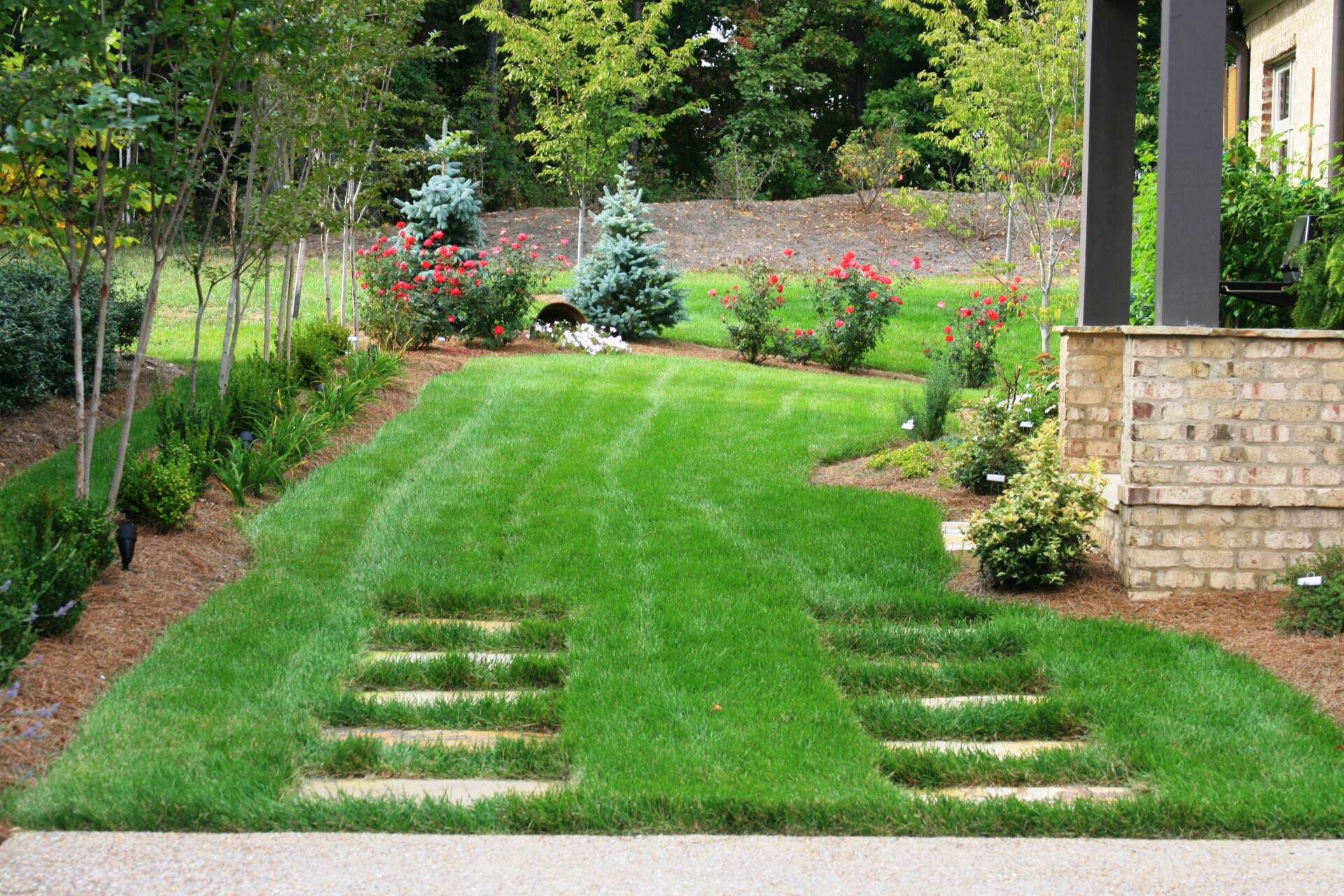
Many homeowners invest in multiple landscape upgrades over time—new plants here, a patio there—yet the yard never feels quite right. Searches for why landscapes feel disconnected usually come from people who can’t identify a single problem, but know something feels off. Disconnection is rarely about individual features. It’s about how everything works together.
A cohesive landscape feels intentional from every angle.
What a “Disconnected” Landscape Feels Like
Disconnected landscapes lack visual and functional flow.
They often feel:
- Choppy or pieced together
- Awkward to move through
- Visually cluttered or inconsistent
Even quality features can feel wrong when they don’t align.
Why Adding Features Over Time Causes Disconnection
Most landscapes evolve in phases.
Problems arise when:
- New features ignore existing layout
- Materials don’t match
- Styles conflict
Without a guiding plan, upgrades compete instead of connect.
Inconsistent Materials Break Visual Flow
Material variety can add interest—but too much creates chaos.
Common issues include:
- Mixing unrelated hardscape materials
- Inconsistent edging styles
- Mismatched colors or finishes
Repetition creates unity.
Planting Without Structure Leads to Visual Noise
Random plant placement disrupts cohesion.
Disconnected planting often includes:
- Too many plant varieties
- No consistent spacing
- Lack of repetition
Structure gives planting purpose.
Why Walkways and Transitions Matter
Spaces feel disconnected when transitions are unclear.
Poor transitions cause:
- Confusing movement paths
- Abrupt changes between areas
- Dead zones
Clear transitions guide the experience.
Too Many Focal Points Create Competition
Every space doesn’t need to stand out.
Too many focal points:
- Compete for attention
- Create visual tension
- Reduce overall impact
One focal point per area is often enough.
How Scale Affects Connection
Features that are out of scale disrupt harmony.
Scale issues include:
- Oversized patios in small yards
- Tiny features in large spaces
- Narrow paths between major zones
Balanced proportions improve flow.
Why Lawns Often Create Separation
Large, uninterrupted lawn areas can divide the landscape.
Lawns can:
- Separate features visually
- Reduce usability
- Feel like empty filler
Breaking up lawn improves cohesion.
Lighting Can Either Connect or Fragment
Poor lighting highlights the wrong areas.
Disconnected lighting:
- Illuminates features randomly
- Leaves transitions dark
- Creates uneven emphasis
Lighting should guide the eye.
Hardscaping Should Tie Spaces Together
Hardscaping works best when it unifies the yard.
Cohesive hardscaping:
- Repeats materials
- Aligns edges and lines
- Supports movement
Structure creates continuity.
Why Design Should Lead Every Upgrade
Without design, landscapes evolve reactively.
Design provides:
- A clear long-term vision
- Alignment between features
- Better use of space
Planning prevents patchwork.
How a Master Plan Fixes Disconnection
A master plan doesn’t require building everything at once.
It:
- Connects future phases
- Preserves cohesion
- Prevents mismatched additions
One plan keeps everything aligned.
Why Professional Design Creates Cohesive Landscapes
Professionals design landscapes as systems, not parts.
Expert design:
- Coordinates materials and layout
- Controls flow and scale
- Creates harmony over time
Connection is intentional.


.svg)