
.svg)

.svg)

Why Your Landscape Requires Too Much Maintenance (and How to Fix It)
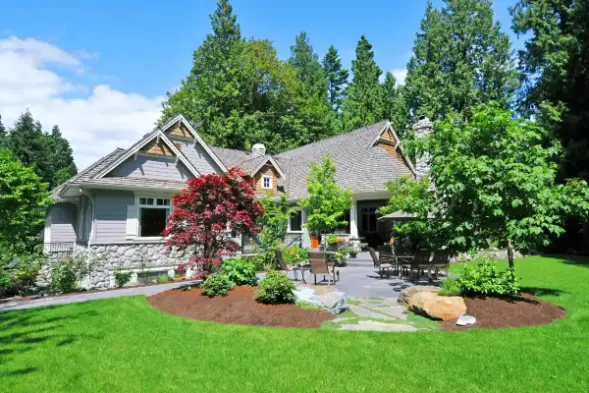
If your yard feels like a constant chore, the issue usually isn’t effort—it’s design. Many homeowners search for answers after realizing their landscape requires endless mowing, pruning, and repairs. Understanding why a landscape needs too much maintenance is the first step toward fixing the problem permanently.
High maintenance is almost always a planning issue.
Too Many High-Maintenance Plants
Some plants require frequent pruning, watering, and care to look good. When too many of these are used, maintenance quickly becomes overwhelming.
High-maintenance plants often:
- Grow aggressively
- Require frequent shaping
- Struggle in the local climate
Plant selection should support ease, not create work.
Overplanting and Poor Spacing
Crowded planting beds look full at first but quickly become unmanageable. Overlapping growth leads to constant trimming and plant stress.
Proper spacing:
- Reduces pruning
- Improves airflow
- Maintains visual structure
Plants need room to mature.
Too Much Lawn in the Wrong Areas
Lawns are one of the most maintenance-heavy features in any landscape. When turf is placed where it’s rarely used, it becomes unnecessary work.
Excess lawn leads to:
- Frequent mowing
- Higher water use
- Ongoing repair
Lawns should serve a purpose.
Lack of Defined Edges and Borders
Undefined edges allow plants and grass to spread where they shouldn’t. This increases trimming and cleanup time.
Defined edges:
- Reduce spread
- Improve organization
- Keep maintenance predictable
Edges do more work than most people realize.
Irrigation That Doesn’t Match the Landscape
Poor irrigation design increases maintenance by stressing plants and causing uneven growth.
Irrigation issues often cause:
- Overwatering
- Dry zones
- Constant adjustments
Water systems should support the design.
Ignoring Long-Term Growth
Many landscapes are designed for how they look on day one—not how they’ll look in five years.
Ignoring growth leads to:
- Overcrowding
- Constant pruning
- Premature replacements
Planning for maturity reduces work.
Too Many Materials and Styles
Using too many materials creates visual clutter and maintenance complexity.
Simplified designs:
- Reduce repair needs
- Improve consistency
- Look more polished
Less variation often means less work.
Hardscaping That Wasn’t Properly Planned
Poorly installed or placed hardscaping increases maintenance instead of reducing it.
Proper hardscaping:
- Reduces lawn and trimming
- Improves access
- Provides stable surfaces
Hardscape should make life easier.
No Maintenance Strategy Built Into Design
Landscapes need to match the homeowner’s lifestyle. Without a maintenance plan, even good designs become frustrating.
Maintenance-aware design:
- Aligns with available time
- Reduces seasonal stress
- Improves long-term satisfaction
Design should support real life.
Why Professional Design Reduces Maintenance Long-Term
Low-maintenance landscapes don’t happen by accident—they’re planned.
Professional design:
- Eliminates problem areas
- Balances function and beauty
- Reduces long-term effort
The right plan saves years of work.


.svg)