
.svg)

.svg)
Xeriscaping vs Traditional Lawns: Which Is Better for Your Yard?
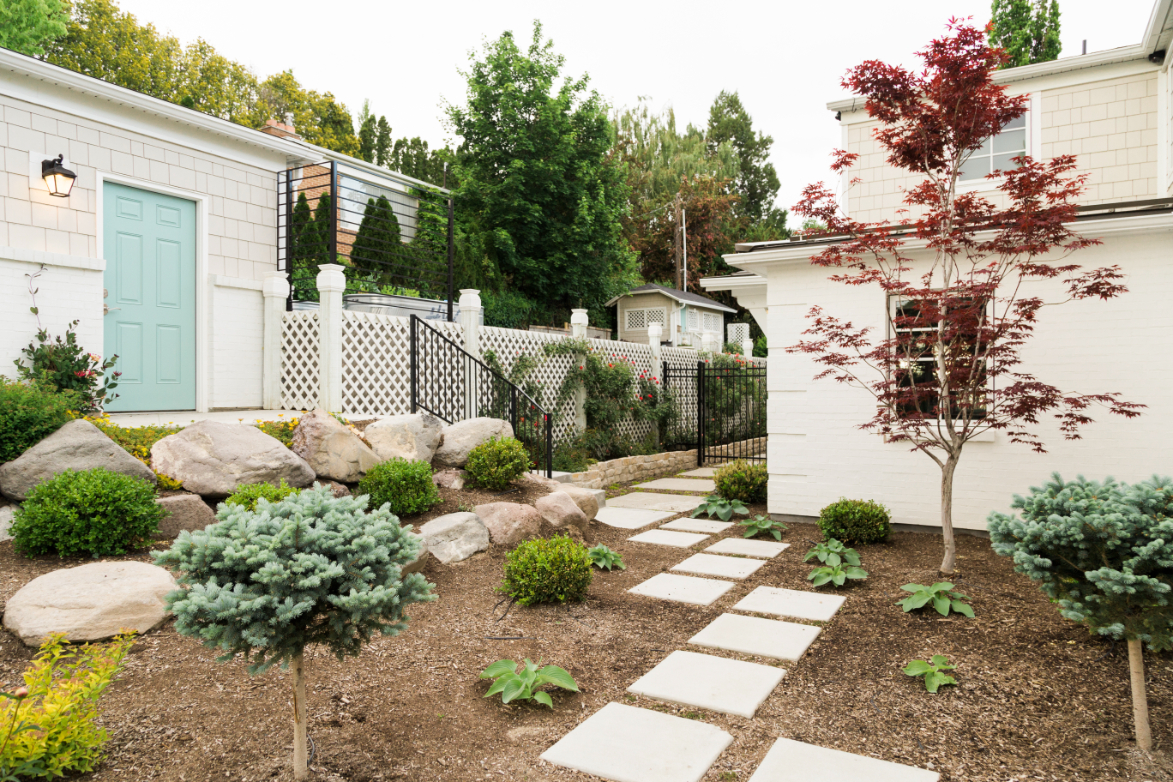
Traditional lawns have long been the default for residential yards—but they’re no longer the only option. Homeowners searching for xeriscaping vs traditional lawns are usually weighing water costs, maintenance time, and long-term performance. With rising temperatures and changing priorities, many are questioning whether a full lawn still makes sense.
The right choice depends on how you want your landscape to function—not just how it looks.
What Xeriscaping Actually Means
Xeriscaping is often misunderstood as a dry or barren design.
In reality, xeriscaping focuses on:
- Water-efficient plant selection
- Thoughtful layout
- Reduced reliance on turf
- Long-term sustainability
It’s about efficiency, not eliminating greenery.
Why Traditional Lawns Require So Much Maintenance
Lawns demand constant attention to stay healthy.
Traditional lawn upkeep includes:
- Frequent watering
- Regular mowing
- Fertilization and weed control
- Ongoing repairs
Maintenance never really stops.
Water Usage: The Biggest Difference
Water consumption is one of the most significant contrasts.
Traditional lawns:
- Require consistent irrigation
- Lose water quickly to evaporation
- Struggle in prolonged heat
Xeriscaped yards:
- Use significantly less water
- Rely on drought-tolerant plants
- Maintain appearance with minimal irrigation
Water efficiency is a major advantage.
Maintenance Time and Effort
Many homeowners underestimate how much time lawns require.
Lawns involve:
- Weekly mowing
- Seasonal treatments
- Repairing worn or dead patches
Xeriscaping reduces:
- Mowing needs
- Fertilizer dependence
- Routine upkeep
Less effort means more enjoyment.
How Each Option Handles Heat and Drought
Extreme heat exposes weaknesses in traditional lawns.
Lawns under heat stress:
- Brown quickly
- Require extra water
- Recover slowly
Xeriscaped landscapes are designed to:
- Tolerate heat
- Maintain structure
- Recover faster after stress
Resilience matters.
Visual Appeal: Lawn Isn’t the Only “Clean” Look
Many homeowners worry xeriscaping looks messy or unfinished.
Well-designed xeriscaping can be:
- Clean and structured
- Modern and intentional
- Visually balanced
Design—not turf—creates curb appeal.
Cost Comparison Over Time
Initial installation costs vary depending on design.
Long-term costs often differ more.
Traditional lawns tend to:
- Cost more in water
- Require more services
- Need frequent repairs
Xeriscaping often:
- Lowers monthly expenses
- Reduces replacement needs
- Keeps costs predictable
Long-term savings add up quietly.
Environmental Impact
Landscaping choices affect more than appearance.
Xeriscaping supports:
- Water conservation
- Reduced chemical use
- Healthier soil systems
Traditional lawns require higher resource input.
Blended Landscapes: You Don’t Have to Choose One
Many homeowners assume it’s all or nothing.
Hybrid designs can:
- Keep lawn where it’s useful
- Replace unused turf with xeriscaping
- Balance usability and efficiency
Flexibility often delivers the best results.
Lifestyle Should Guide the Decision
The best landscape fits how you live.
Traditional lawns may suit:
- Active play areas
- Certain visual preferences
Xeriscaping fits homeowners who want:
- Lower maintenance
- Water efficiency
- Long-term performance
Function should drive form.
Why Professional Design Makes Xeriscaping Successful
Poorly planned xeriscaping can feel scattered.
Professional planning:
- Creates structure
- Balances materials and plants
- Keeps the design intentional
Xeriscaping works best with strategy.


.svg)